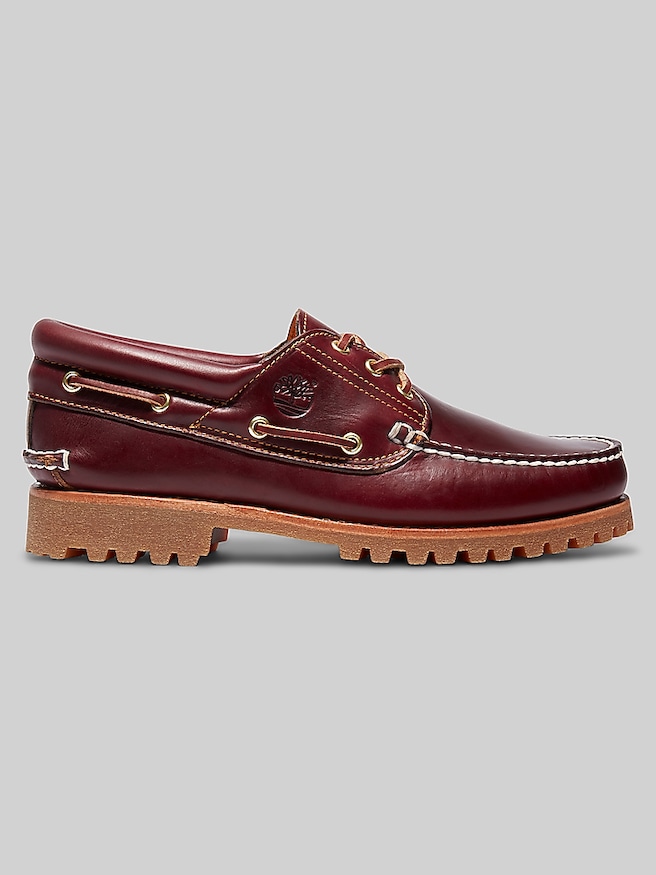
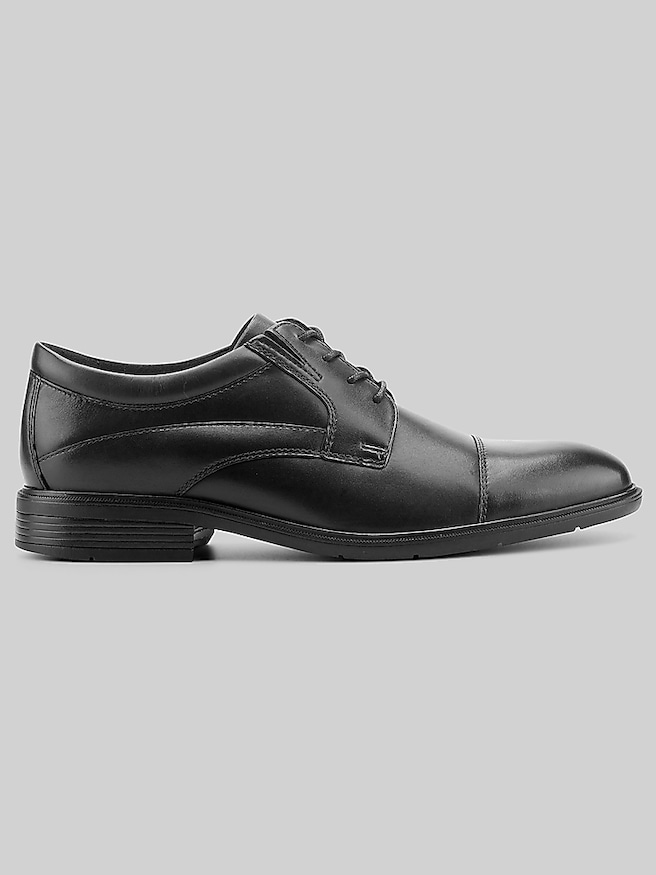
Shoes for fall and winter balance a polished appearance with the practical demands of cold sidewalks, damp pavement, and days that move between indoor and outdoor settings. Leather dress shoes, ankle boots, and substantial casual lace-ups each serve a purpose, with the best choice depending on how much walking, exposure, and formality the day involves. An office commute followed by dinner calls for something different from a long afternoon outdoors, even when both outfits begin with wool trousers and a coat. Smooth leather offers a clean finish that pairs naturally with tailored clothing, while pebbled leather adds texture and can make small surface marks less noticeable. Suede brings a softer look to corduroy, denim, and brushed fabrics, though it generally needs more protection from moisture and is better suited to dry conditions. Ankle boots provide additional coverage around the foot and can sit neatly beneath straight or slightly tapered trouser hems. Lace-up dress shoes maintain a more traditional profile for business settings and dressier gatherings, while loafers can work well for predominantly indoor plans when conditions allow. Black, dark brown, and rich burgundy are versatile foundations, but the relationship between the shoe and the outfit matters more than matching every accessory exactly. Black creates a crisp finish with charcoal or dark tailoring; brown adds warmth alongside navy, olive, and textured neutrals. Sole construction deserves as much attention as color. Rubber soles with defined tread can offer useful grip on damp surfaces, while smoother leather soles are often better suited to dry pavement and indoor wear. No dress shoe should be assumed to provide dependable traction on ice simply because its sole looks substantial. For snow-covered routes or extended exposure to slush, footwear specifically designed for those conditions is the more practical choice. Fall and winter footwear works best when its materials, coverage, and sole match the actual route from the front door to the destination, not just the outfit waiting at the other end.
Fit becomes especially important when fall and winter shoes are worn with thicker socks or kept on through a full workday. The toes should have room to move without the foot sliding forward, and the widest part of the foot should align comfortably with the widest part of the shoe. A snug heel helps limit rubbing, but pressure across the toes or instep is not a useful sign that a shoe simply needs breaking in. Leather can soften with wear; a shoe that is too short or too narrow rarely becomes a comfortable fit through patience alone. Trying footwear with the socks intended for regular use gives a more realistic sense of space, particularly with boots, cushioned socks, or removable inserts. Wool-blend socks can help manage moisture and provide warmth without the bulk of very thick hosiery, although the right weight depends on the shoe and the setting. Someone who walks several blocks before sitting at a desk may prefer moderate cushioning and a flexible forefoot, while someone standing through a reception may place greater importance on steady heel support and a secure fit. Soft padding can feel appealing at first, but comfort also depends on the shape of the footbed, the stability of the sole, and whether seams create pressure points. Breathable linings and enough room around the toes help reduce the clammy feeling that can develop when warm interiors follow a cold commute. For durability, look beyond a heavy appearance. Even stitching, neatly finished edges, secure sole attachment, and well-supported eyelets are useful details to examine. Some stitched constructions can accommodate resoling, though repair options depend on the specific construction and condition. A tall sole or thick leather does not automatically mean better performance. The most useful pair is one that supports its intended routine, whether that means walking between meetings, attending an evening gathering, or wearing jeans and a sweater for a relaxed weekend meal.
Thoughtful care helps fall and winter shoes retain their shape and finish through repeated wear. Moisture, road salt, and grit are especially hard on leather, so small habits matter: remove surface dirt after an outing, address salt marks promptly with a method appropriate to the material, and let damp footwear dry naturally before wearing it again. Smooth leather often benefits from a soft cloth followed, when needed, by a suitable cleaner and conditioner used according to the care directions. Suede requires a different approach, usually involving a dedicated brush and products intended for its nap rather than ordinary leather polish. A material-appropriate protective treatment can help resist light moisture and staining, but it does not turn every shoe into waterproof footwear. Any treatment should be tested discreetly first, since some formulas can alter color or texture. Direct heat from a radiator, fireplace, or hair dryer can damage leather and adhesives; room-temperature drying with good airflow is gentler. Shoe trees can help preserve shape and absorb residual moisture, and rotating between pairs gives linings and footbeds more time to dry. Check heels and soles periodically, since uneven wear can affect comfort long before the uppers look worn out. These practical details are worth considering alongside wardrobe versatility. For outfits built around charcoal trousers, dark denim, or a black overcoat, Black Shoes For Fall provides a focused starting point for a coordinated look. Brown and burgundy footwear can introduce contrast without competing with textured jackets or patterned scarves. Shoes can also make a thoughtful gift for someone building a work wardrobe, preparing for dressier gatherings, or replacing a well-used everyday pair, provided the recipient’s size, preferred width, and usual activities are known. A familiar silhouette is often more useful than an unfamiliar style chosen only for appearance. The lasting appeal of seasonal footwear comes from that combination of fit, proportion, sensible care, and a clear place in everyday life.