Comfortable shoes for fall balance supportive construction, soft materials, a secure fit, and versatile styling. Cushioning can soften the feel of hard sidewalks, while a stable heel and well-shaped footbed help make long stretches on your feet more manageable. The right combination depends on the day: a commute with several blocks of walking calls for something different from an afternoon spent mostly at a desk. Leather uppers can provide structure and gradually soften with wear, while suede brings a supple feel and textured appearance that pairs naturally with fall fabrics. Breathable linings help manage moisture inside the shoe, particularly when thicker socks are part of the outfit. Comfort starts with enough room for the toes to move without the foot sliding forward. A snug heel should feel secure rather than pinched, and the upper should hold the midfoot without pressing across it. Trying footwear with the socks intended for regular wear gives a more useful sense of fit than relying on size alone. Feet can also feel fuller toward the end of the day, making an afternoon fitting helpful for shoes that need to stay comfortable through an evening out. Width deserves as much attention as length; going up a size to relieve pressure across the forefoot may leave too much space at the heel. Arch support is personal, too, and a pronounced contour is not automatically more comfortable than a gentler shape. For anyone who uses orthotics, a removable footbed and sufficient interior depth can make accommodation easier. There is no need to accept sharp pressure, rubbing, or cramped toes in the hope that a shoe will eventually become comfortable. Materials may relax, but the basic shape should feel compatible with the foot from the beginning. That foundation matters whether the destination is an office, a restaurant, a family gathering, or a weekend spent walking between neighborhood stops.
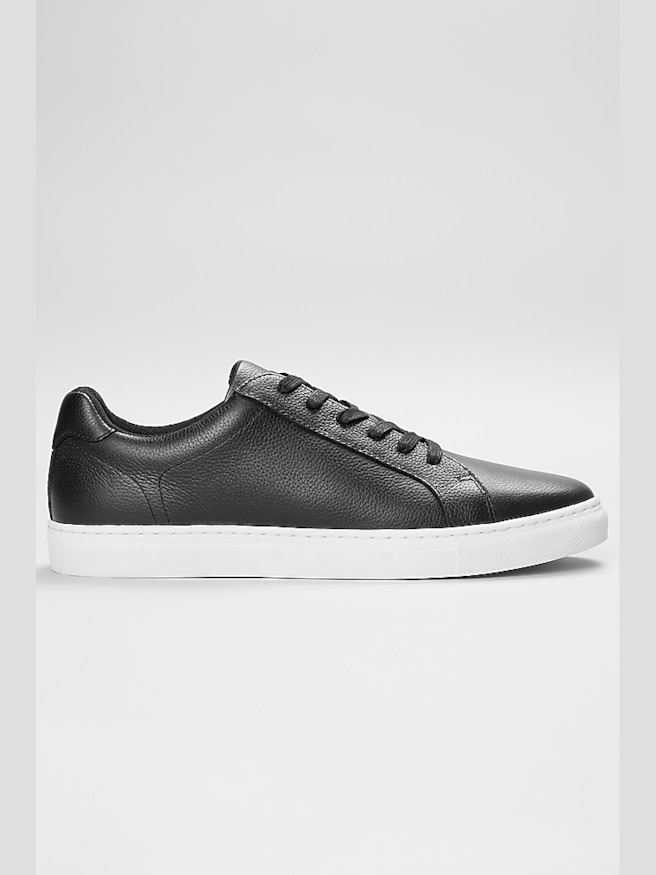
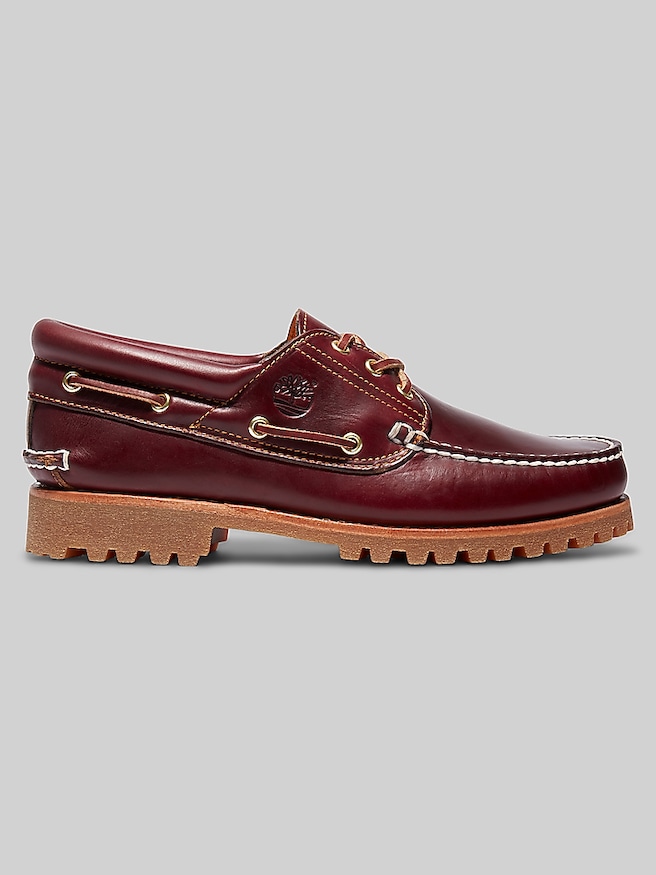
Fall footwear also needs to make sense alongside the clothes it accompanies. Chelsea boots offer a clean profile beneath chinos or tailored trousers, with elastic side panels that make getting dressed straightforward. Their comfort depends on details beyond the familiar shape: flexibility through the forefoot, adequate room over the instep, and a heel that stays seated during a normal stride. Lace-up boots allow more adjustment across the top of the foot, which can be useful when alternating between lighter dress socks and cushioned casual socks. Loafers bring an easy, polished finish to corduroy, denim, and relaxed tailoring, though a secure fit is especially important in a style without laces. Low-profile sneakers work well for casual offices, travel days, and unstructured weekend outfits, while cushioned dress shoes can suit occasions that call for a sharper appearance without ignoring time spent standing. The broader range of silhouettes associated with Men's Shoes For Fall reflects how varied a seasonal wardrobe can be. Dark brown leather adds depth beside navy, olive, and charcoal, while black creates a crisp finish with darker trousers. Texture can be just as useful as color: suede softens the look of tailored clothing, and smooth leather offers a more refined contrast to substantial knits. Underfoot, sole construction affects both appearance and everyday performance. Rubber outsoles can provide flexibility and traction, but grip varies with tread design, surface conditions, and wear. A visible tread pattern alone does not establish slip resistance. Damp leaves, polished entryways, and slick pavement still call for care. Water-resistant materials may help with light moisture, but they should not be confused with waterproof construction. Someone who moves frequently between outdoor sidewalks and indoor meetings may value a balanced sole that feels steady without looking overly bulky. For extended standing, cushioning works best alongside a stable base rather than an excessively soft platform that lets the foot shift. A comfortable choice should match the demands of the day as closely as it matches the outfit.
Durability and care help preserve that comfort beyond the first few wears. Smooth leather benefits from having surface dirt brushed away before it settles into creases, followed by an appropriate cleaner or conditioner when needed. Using too much conditioner can change the finish, so the material’s care directions matter more than a fixed schedule. Suede requires a different approach: a suede brush can lift the nap and loosen dry dirt, while a treatment specifically suited to the material may help limit moisture absorption and staining. Any protective treatment should be tested in an inconspicuous area first. Wet footwear needs time to dry naturally away from radiators, vents, and other direct heat sources that can stiffen or damage materials. Uncoated paper placed loosely inside can help absorb moisture, and shoe trees can help maintain shape once excess dampness has been addressed. Giving shoes time to air between wears also allows interior moisture to dissipate. Regular attention to the outsole is worthwhile, especially at the heel and ball of the foot, where wear often appears first. Uneven or heavily worn soles can change how a shoe feels underfoot, and worn tread may reduce traction. Depending on construction, professional repairs may extend useful life, but not every sole can be replaced. These practical details matter for daily commuters, frequent travelers, and anyone whose schedule includes hours of standing at work or social gatherings. They are also worth considering when choosing footwear as a gift. A familiar size is a starting point rather than a guarantee, since width, instep shape, and personal preferences vary. Knowing whether the recipient usually wears tailored trousers, denim, or casual chinos can help narrow the style, while an adjustable closure may offer more flexibility than a close-fitting slip-on. The most useful fall shoes do not need to make a dramatic statement. They need to feel good through the last walk of the day, complement familiar clothes, and respond well to the ordinary care that keeps a dependable pair in regular rotation.