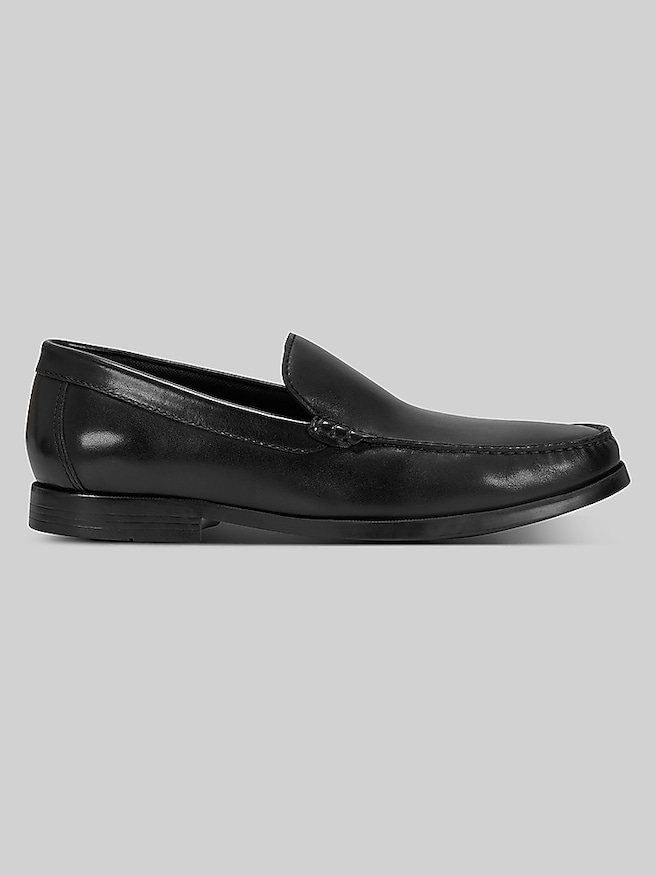
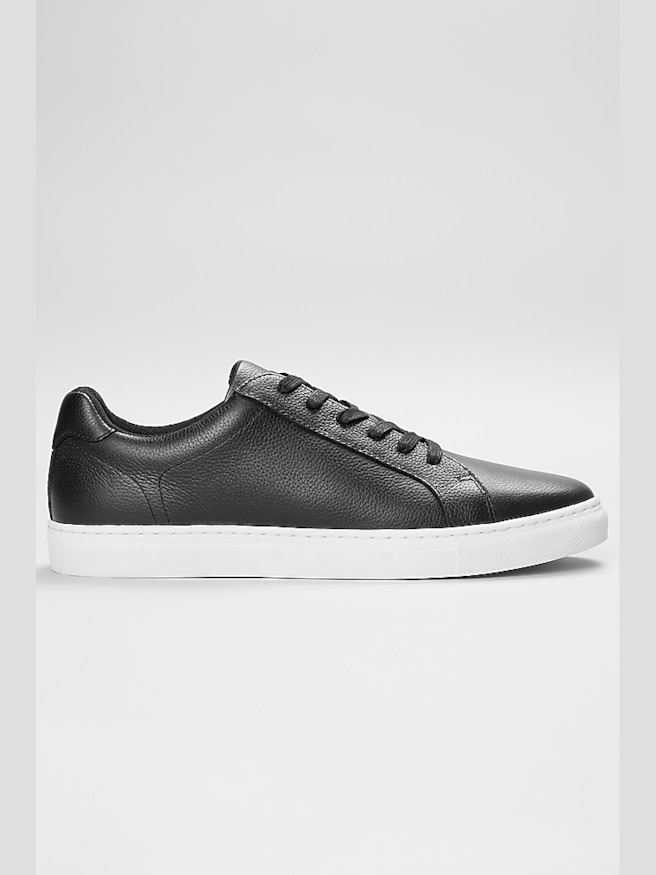
Shoes for comfort combine a well-proportioned fit, cushioning underfoot, and enough support to feel steady through everyday movement. The most comfortable pair is not necessarily the softest: a footbed that feels plush at first can become less comfortable if the foot slides around or the cushioning compresses too easily. A balanced design cushions each step while keeping the heel secure and allowing the toes to rest naturally. For men moving between a commute, a desk, and several hours on their feet, those details can matter as much as the shoe’s appearance. Cushioned dress shoes, flexible loafers, and supportive sneakers bring different looks to that same practical goal. A streamlined lace-up can complement tailored trousers in a client meeting, while a simple slip-on can work with chinos for a dinner that follows a full workday. The intended use helps define what comfort should feel like. Walking several blocks calls for a smooth transition from heel to toe and flexibility through the forefoot; standing at a reception places more emphasis on cushioning, stable footing, and a shape that does not pinch. A shoe’s weight also becomes more noticeable over a long day, though a lightweight construction still needs enough structure to hold the foot comfortably. Outsole design contributes to the experience, too. Rubber can provide cushioning and traction, while tread pattern and the surface underfoot affect grip; slip resistance should only be assumed when the shoe is specifically identified for that purpose. For a more relaxed look, Comfort Sneakers offer another category to consider alongside everyday loafers and dressier silhouettes. Clean lines and understated detailing can make casual footwear easier to coordinate with an outfit, provided the setting allows it. Comfort-focused shoes earn their place through repeated use: the walk from the parking garage, the time spent greeting guests, and the last few blocks home should all feel like part of the same manageable day.
Materials influence both the initial feel of a shoe and how it wears over time. Leather uppers can gradually conform to the foot, and a supple construction often feels less restrictive across the forefoot than a stiff one. That adaptability does not mean a tight shoe will eventually become the right size; a comfortable starting fit remains important. Suede offers a soft texture and a more relaxed appearance, while woven or knit uppers can provide flexibility and airflow. Linings matter as well, especially around the heel and across the top of the foot, where rough seams or firm edges may create friction. Inside the shoe, foam cushioning helps soften contact with the ground, but its firmness, thickness, and ability to recover after compression all influence the feel. Contoured footbeds may provide a more supported sensation than flat interiors, although the shape needs to suit the individual foot. Arch support should feel comfortably placed rather than like a hard ridge pressing upward. A removable footbed can be useful for someone who wears a separate insert, provided the shoe has enough interior depth to accommodate it without crowding the toes or lifting the heel too high. Fit involves more than the number printed inside. Width, toe-box shape, instep height, and heel hold can make two shoes marked the same size feel noticeably different. The toes need room to move without the foot sliding forward, and the heel should stay comfortably seated rather than rubbing with each step. Trying shoes with the socks intended for regular wear gives a more realistic sense of space. Feet can also expand through ordinary daily activity, so a fit that feels barely adequate early in the day may become restrictive later. Adjustable laces offer a way to fine-tune pressure across the top of the foot, while slip-on designs depend more heavily on the match between the shoe’s shape and the wearer’s foot. Across styles, comfort should be apparent from the start, without relying on an uncomfortable break-in period.
Durability helps preserve that comfortable feel beyond the first few outings. An upper that holds its shape, secure stitching, a stable heel, and an outsole suited to the intended use all contribute to dependable everyday wear. High-flex areas deserve particular attention because the forefoot bends repeatedly during walking, while the heel absorbs frequent contact with the ground. Some dressier constructions favor a refined profile, and some casual constructions emphasize flexibility or cushioning; neither approach is automatically more comfortable for every wearer. The right balance depends on how the shoes will be used and what feels natural underfoot. Regular care supports both appearance and longevity. Smooth leather generally benefits from gentle cleaning and a compatible conditioner used according to the care instructions, while suede calls for a suitable brush and products designed for its textured surface. Knit and textile uppers need cleaning methods appropriate to their construction, and machine washing should never be assumed safe. Allowing shoes to air between wears helps manage moisture from perspiration, and keeping them away from direct heat protects materials and adhesives. Shoe trees can help suitable leather styles retain their shape, while a shoehorn reduces strain on the heel when putting them on. Over time, flattened cushioning, uneven outsole wear, or a lining that has become rough can change how a familiar pair feels, even when the exterior still looks presentable. These practical details are especially relevant for commuters, teachers, office professionals, and anyone whose schedule includes both walking and standing. Comfortable footwear can also make a thoughtful birthday or graduation gift for someone beginning a new routine, although knowing the recipient’s size, preferred width, and usual style is important. A pair intended for business clothing may need a sleeker profile, while everyday casual wear leaves more room for sport-inspired shapes and textured materials. The lasting appeal of shoes for comfort is that they support the day’s plans without demanding constant attention, pairing an appropriate look with a fit that feels easy to wear.