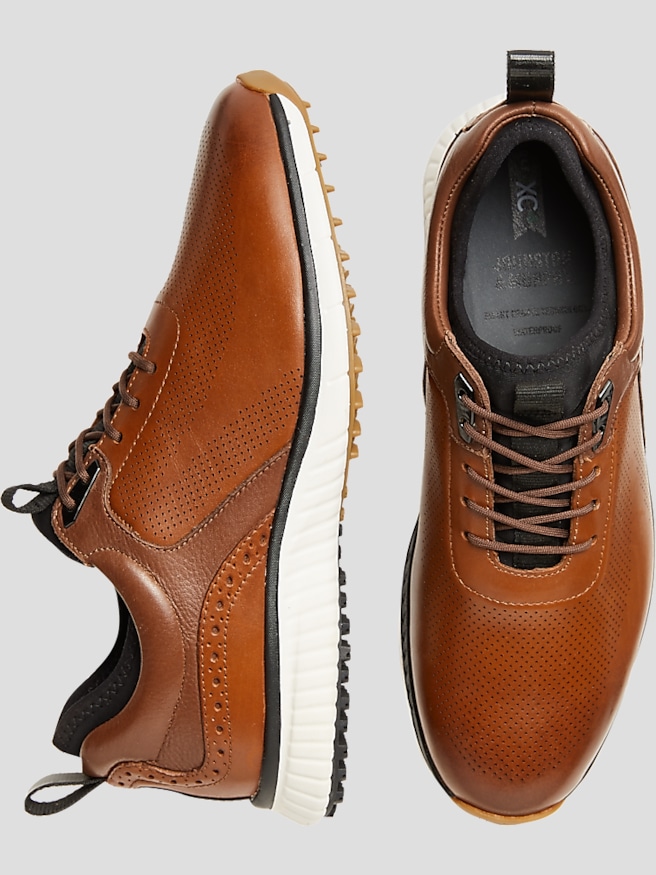
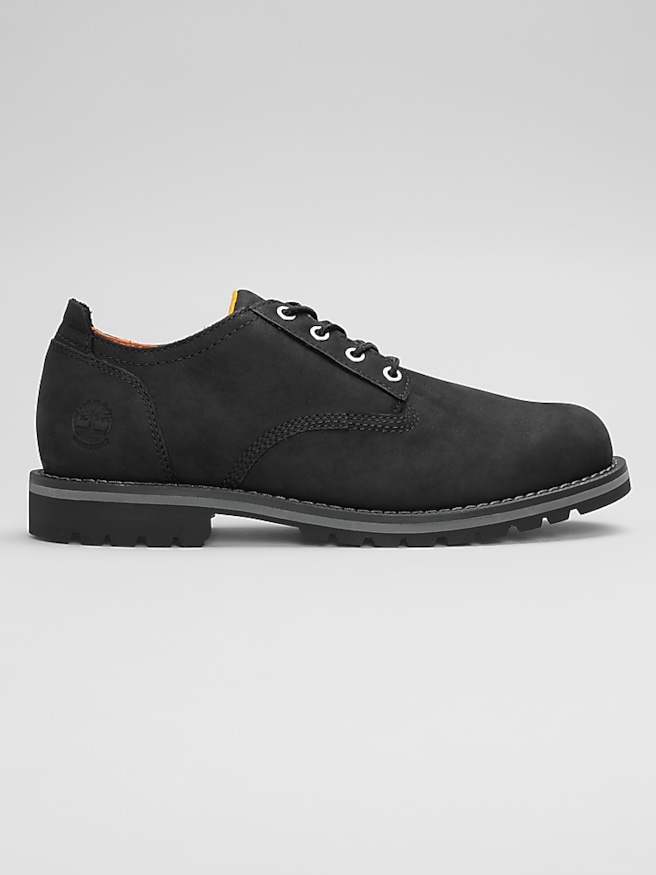
Men’s shoes bring shape and balance to an outfit, whether the occasion calls for a sharply tailored suit, business-casual separates, or chinos with a tucked-in shirt. The most versatile footwear feels appropriate to the setting without drawing attention away from the person wearing it. A smooth leather lace-up creates a clean foundation for office attire, presentations, and wedding guest outfits, while a loafer introduces a more relaxed line that still looks polished with tailored trousers. Details make a noticeable difference: a restrained toe shape keeps the silhouette understated, decorative perforations add texture, and visible stitching can give an otherwise simple shoe a more casual character. Black leather pairs naturally with charcoal and black tailoring, while shades of brown create contrast against navy, gray, and earth tones. Coordinating the general color and finish of a belt with the shoes helps the outfit feel considered without requiring an exact match. Materials influence that impression as much as color does. Smooth leather can develop a distinctive patina with regular wear and suitable conditioning; suede has a softer surface that works especially well with textured jackets and less formal trousers. Grain, finish, and construction vary, so the appearance of the upper is only part of the picture. Linings, sole materials, and the way the shoe flexes all contribute to its usefulness beyond the first fitting. For someone moving between client meetings and dinner plans, a streamlined shape with comfortable support can serve both settings. For a guest spending an afternoon at a ceremony and an evening on the dance floor, secure fit matters as much as a polished finish. The relationship between shoes and trousers also deserves attention: a narrow trouser opening generally works well with a sleeker profile, while a fuller leg can accommodate a more substantial silhouette. Looking at Johnston And Johnston Shoes alongside the broader footwear category can help put these preferences for shape, finish, and intended use into perspective.
Fit is what turns an appealing pair of shoes into a dependable part of a wardrobe. Length alone does not tell the whole story; width, instep height, heel shape, and the position of the foot’s widest point all affect how a shoe feels. A well-fitting pair leaves room for the toes to rest naturally while holding the heel securely enough for an easy stride. The upper should feel supportive rather than restrictive, and the foot should not slide forward with each step. Lace-up designs allow some adjustment across the instep, while slip-on styles depend more closely on the relationship between the opening, heel, and overall shape. Trying shoes with the type of socks normally worn with them gives a more useful impression than testing them with unusually thick or thin socks. Walking across a room can reveal pressure at the little toe, movement at the heel, or stiffness beneath the forefoot that may not be obvious while seated. Leather often softens with use, but persistent pinching or compressed toes are not signs of a fit that simply needs patience. Comfort also depends on the work the shoes will do. Someone who spends much of the day standing may value cushioning and stable support, while a person walking between offices may prefer a sole that flexes naturally without feeling flimsy. Leather soles can offer a traditional appearance and a refined profile; rubber soles may provide useful grip and flexibility, depending on their design. Neither material alone determines overall quality. Construction, stitching, lining, and the connection between upper and sole all play a role in durability. Some shoes are built to allow sole replacement, while others are not, making repairability a detail worth understanding for long-term use. A sturdy shoe still needs to suit the wearer’s routine: substantial construction can feel reassuring underfoot, but unnecessary weight may become noticeable over hours of walking. The strongest choice balances visual appeal with the everyday realities of commuting, sitting, standing, and moving comfortably through a full schedule.
Regular care helps leather footwear retain its appearance and makes wear easier to monitor. Dust and grit can settle along seams and around the edge of the sole, so light brushing and gentle surface cleaning are useful habits. Smooth leather benefits from products suited to its finish, with conditioner helping maintain suppleness and polish restoring color and luster where appropriate. Suede needs a separate approach: a suitable brush can lift the nap and loosen surface marks without flattening its texture. Care products should be tested on a discreet area, since finishes can respond in different ways. Excessive product can leave buildup, and aggressive cleaning can alter the surface rather than improve it. Between wears, allowing shoes to air out helps moisture from normal use dissipate. Properly sized shoe trees can support the shape of the upper and reduce pronounced creasing, while a shoehorn helps protect the heel counter from being crushed during dressing. Rotation also matters. Alternating pairs gives each one time to rest and can make a small footwear wardrobe more practical than relying on a single pair for every occasion. Scuffed heels, worn sole edges, and loosened stitching are easier to address when noticed early; a qualified shoe repair professional can assess whether a repair suits the construction. These details are especially relevant when footwear is chosen as a gift. A graduation, a new job, or a milestone birthday can be a fitting occasion for shoes that support the recipient’s next chapter, but personal preferences should lead the choice. Familiar sizing, usual sock thickness, favored colors, and the clothing already worn most often provide better clues than appearance alone. Someone who regularly wears suits may appreciate a restrained dress silhouette, while someone whose routine centers on chinos and sport coats may get more use from a less formal shape. Thoughtful footwear earns its place through repeated wear: it looks right with familiar clothes, feels comfortable through ordinary activities, and responds well to consistent care.