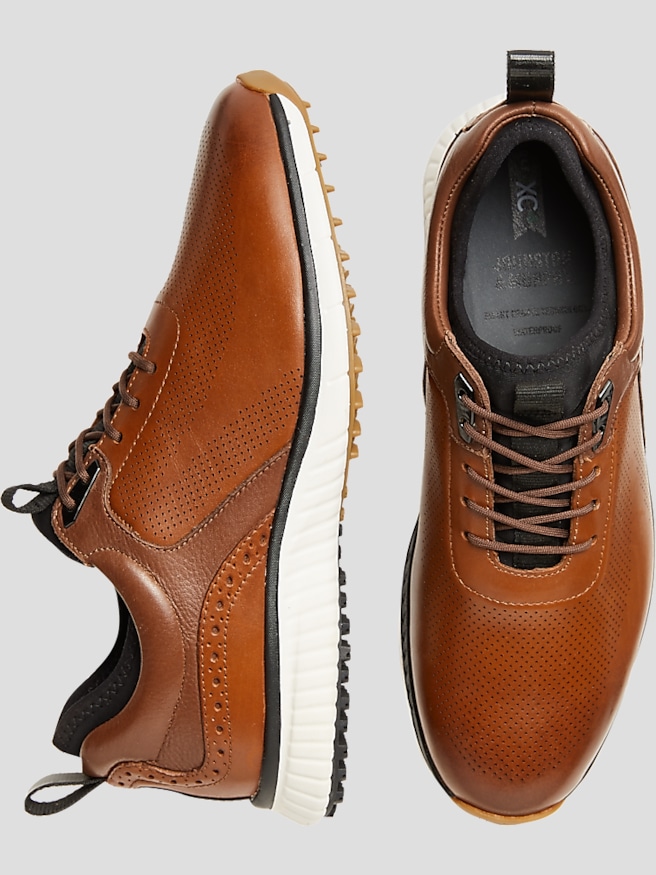
Men’s dress and casual shoes help set the tone of an outfit, from a neatly pressed suit to chinos and an open-collar shirt. The shape of the shoe, the texture of its upper, and the weight of its sole all influence how polished or relaxed that outfit feels. Oxfords have closed lacing, with the lace panels joined beneath the front section of the upper, creating a clean profile that works naturally with tailored clothing. Derby shoes use open lacing, giving the upper a more adjustable opening and a slightly less formal appearance. Loafers dispense with laces altogether, pairing an easy slip-on shape with details that can range from understated stitching to decorative accents. Casual lace-ups and sneakers bring a more relaxed character, while dress-casual designs combine tailored-looking uppers with soles suited to everyday movement. These distinctions matter in familiar settings: a presentation in a conference room, dinner after work, a wedding reception, or a weekend gathering with friends. Black leather often creates a crisp finish beneath charcoal or navy trousers, while brown shades offer a softer contrast with blue, tan, and textured fabrics. A plain toe keeps the focus on shape and finish; a cap toe adds a defined line across the front; perforated detailing introduces texture without requiring a patterned outfit. Proportion matters, too. A streamlined shoe generally sits comfortably beneath a narrower trouser opening, while a more substantial silhouette balances fuller-cut pants. The most useful footwear often reflects the wearer’s actual routine rather than a single occasion. Someone who moves between desk work and client visits may value a polished lace-up with comfortable underfoot cushioning, while someone with a more relaxed workplace may reach for a loafer or clean-lined sneaker. The related Johnston And Johnston Shoes page provides another footwear category to explore alongside these dress and casual wardrobe combinations.
Materials give men’s shoes much of their character, and their practical differences become more noticeable with regular wear. Smooth leather can develop creases and a patina that reflect use, with its appearance depending on the leather, finish, construction, and care. Suede has a soft, textured surface that creates depth against flat-front chinos or tailored trousers, though its raised nap calls for cleaning methods designed specifically for that material. Textile uppers can contribute flexibility and a lighter feel, while combinations of materials may balance structure with softness in different parts of the shoe. Inside, linings, seams, and footbeds affect how the shoe feels against the foot. Cushioning can soften contact underfoot, but a plush first impression does not replace a suitable fit. Support, flexibility, and the position of the foot within the shoe all matter over a full day. The toes need enough space to rest without crowding, and the widest part of the foot should align with the widest part of the shoe rather than pressing into a narrower section. A secure heel helps limit unwanted movement, although the feel can vary with the shoe’s construction and the wearer’s foot shape. Lace-ups allow adjustment across the instep, while loafers depend more heavily on the relationship between the opening, heel, and volume of the foot. Socks also influence fit: thin dress socks occupy less space than thicker casual pairs, so footwear feels most representative when worn with the type intended for regular use. Feet can change slightly in volume throughout the day, making a comfortable fit especially important for long stretches of standing or walking. Outsoles contribute another layer of function. Rubber can provide flexibility and traction, depending on its compound and tread, while leather soles offer a traditional dress-shoe appearance and feel. Neither a formal shape nor a cushioned sole alone determines comfort. A shoe that feels balanced from heel to toe, stays secure without squeezing, and bends appropriately during a normal stride is better suited to repeated wear than one chosen only for its appearance.
The lasting appeal of good footwear depends on both construction and everyday care. Even stitching, securely attached soles, neatly finished edges, and a stable heel are useful details when considering how a shoe may hold up to regular use. Durability also depends on how often the pair is worn, the surfaces it encounters, and whether small maintenance needs receive attention before they become larger problems. Dust and grit can dull a finish and work into seams, so routine cleaning helps preserve both appearance and condition. Smooth leather generally benefits from a soft cloth and products appropriate to its finish, while suede needs a suitable brush to lift the nap and loosen surface dirt. Any cleaner, conditioner, or polish should be compatible with the material and tested on a discreet area first; more product is not necessarily better. Shoes that become damp need time to dry away from direct heat, which can damage some materials and adhesives. Shoe trees can help leather footwear retain its shape between wears, and alternating pairs allows the interiors time to air out. Storage that avoids crushing the uppers or folding the heels also helps maintain the original silhouette. Scuffed toes, worn heel edges, and separating soles may call for professional attention, with repair options depending on the shoe’s construction. These practical details support the reason footwear becomes a wardrobe staple in the first place: it is ready for the ordinary moments that add up to frequent use. A dependable dress shoe can accompany a first job interview, a milestone celebration, and years of office days; a comfortable casual pair may become the familiar choice for errands, travel, and dinners out. Shoes can also make a thoughtful gift for a father, partner, graduate, or someone stepping into a new professional role, especially when the recipient’s size, preferred fit, and daily habits are already known. A polished appearance matters, but the strongest connection between a shoe and its wearer comes from how naturally it fits into daily life. Well-considered materials, an appropriate silhouette, a comfortable fit, and consistent care help footwear remain a useful part of that routine.