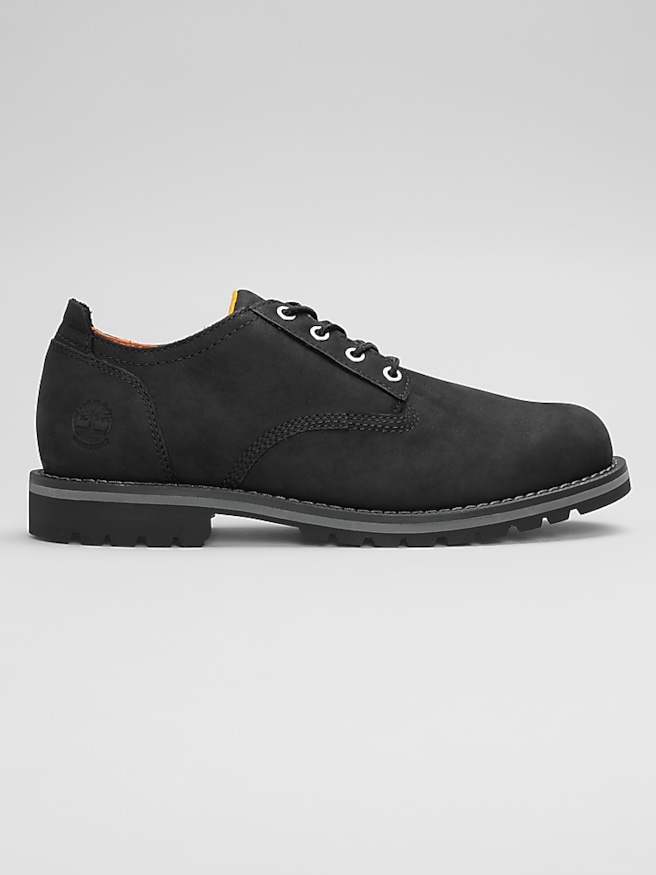
A well-chosen pair of shoes brings balance to an outfit, connecting the cut of the trousers with the level of polish the occasion calls for. Smooth leather, a clean toe shape, and restrained stitching can give dress footwear a composed look without making it feel overly formal. More visible texture, decorative perforations, or a slightly substantial sole adds character and can sit comfortably alongside chinos, patterned trousers, or dark denim. The distinction often comes down to proportion: a slim trouser opening generally works with a streamlined shoe, while a fuller leg can carry a broader profile without looking out of balance. Black leather creates a crisp foundation for charcoal and dark suits, while shades of brown introduce depth alongside navy, gray, and earth tones. Matching a belt closely in color and finish helps the outfit feel considered, although the two do not need to look as if they were cut from the same piece of leather. For an office presentation, understated lace-up shoes keep the attention on the overall outfit; for a dinner reservation or a gathering with friends, a loafer can bring polish with a less structured feel. Surface detail matters, too. A high shine reads more formally than a soft, matte finish, and a plain upper can make a stronger impression than elaborate detailing when the rest of the clothing is already patterned. Explore Mens Johnston and Murphy Shoes for a related footwear collection. Whether the goal is a dependable foundation for work clothing or a finishing touch for a celebration, the most useful choices reflect actual routines. Shoes worn for a short ceremony have a different job from shoes that need to feel comfortable through a commute, several meetings, and an evening reception. That sense of purpose helps keep style grounded in how the shoes will be worn.
Materials and construction shape both the appearance of footwear and the experience of wearing it for hours at a time. Leather uppers can soften with use and develop subtle creases that reflect the movement of the foot, though their feel varies with the hide, finish, and construction. A firmer upper may hold a defined silhouette, while a more supple one can feel less restrictive across the forefoot. Suede has a textured surface that brings visual softness to an outfit, but it calls for different cleaning methods than smooth leather. Inside the shoe, lining materials, seams, and the shape of the footbed all influence comfort. Cushioning may soften contact underfoot, yet it cannot compensate for a shoe that is too short, too narrow, or poorly matched to the foot’s shape. A secure fit leaves room for the toes to rest naturally without crowding, holds the midfoot without uncomfortable pressure, and keeps the heel stable without rubbing. The widest part of the foot should sit near the widest part of the shoe, allowing the sole to flex where the foot bends. Trying shoes with the socks intended for everyday wear gives a more useful impression than relying on the size marked inside. Feet can also differ slightly in size, so comfort on both sides matters more than a familiar number. Lace-up closures allow small adjustments across the instep, while slip-on shapes depend more heavily on a close match between the upper and the foot. For anyone who uses an orthotic, interior depth and a removable footbed, when present, deserve attention. Sole construction matters just as much: leather soles can provide a sleek profile, while rubber soles may add flexibility and grip, depending on their design. Someone moving between a desk, a conference room, and long stretches on foot may value a different balance of cushioning and structure than someone dressing for an occasional formal event. Comfortable shoes should feel supportive from the start rather than require enduring pinching in the hope that wear will correct the fit.
Thoughtful care helps shoes retain their shape, finish, and usefulness, especially when one pair becomes a regular part of the weekly rotation. Dust and surface grit can dull an upper and collect around seams, so a gentle brushing or wipe with an appropriate cloth is a practical starting point. Smooth leather may benefit from a compatible conditioner used sparingly, followed by polish suited to its color and finish; testing a small, discreet area first helps avoid an unexpected change in appearance. Suede needs a brush and care products intended for its textured surface rather than the creams used on smooth leather. Manufacturer care directions remain important because coatings, mixed materials, and specialty finishes can respond differently to treatment. Allowing shoes to rest between wears gives the interior time to air out, while properly sized shoe trees help support the upper and reduce pronounced creasing. A shoehorn protects the heel counter from being crushed during dressing, a small habit that can preserve the structure responsible for keeping the heel secure. Storage should give shoes enough space to avoid scuffs and distortion, and direct heat should be avoided when drying or airing them. Durability is also tied to how early wear is addressed. A thinning heel, loose stitching, or a worn sole edge may be easier to assess before the damage spreads, and a qualified shoe repair professional can explain whether the construction permits repair. These details matter for someone building a compact wardrobe around a few frequently worn pairs, as well as for someone keeping dress shoes ready for interviews, weddings, and milestone celebrations. Footwear can also make a thoughtful graduation or career-milestone gift when the recipient’s size, width, and preferences are known. A person who spends much of the day standing may appreciate cushioning and a stable sole more than decorative detail, while someone who regularly wears tailoring may favor a refined shape and an easy-to-maintain finish. Ultimately, lasting usefulness comes from the relationship between appearance, fit, construction, and care: shoes that complement the clothing, feel right on the foot, and suit the day’s demands earn their place through repeated wear.