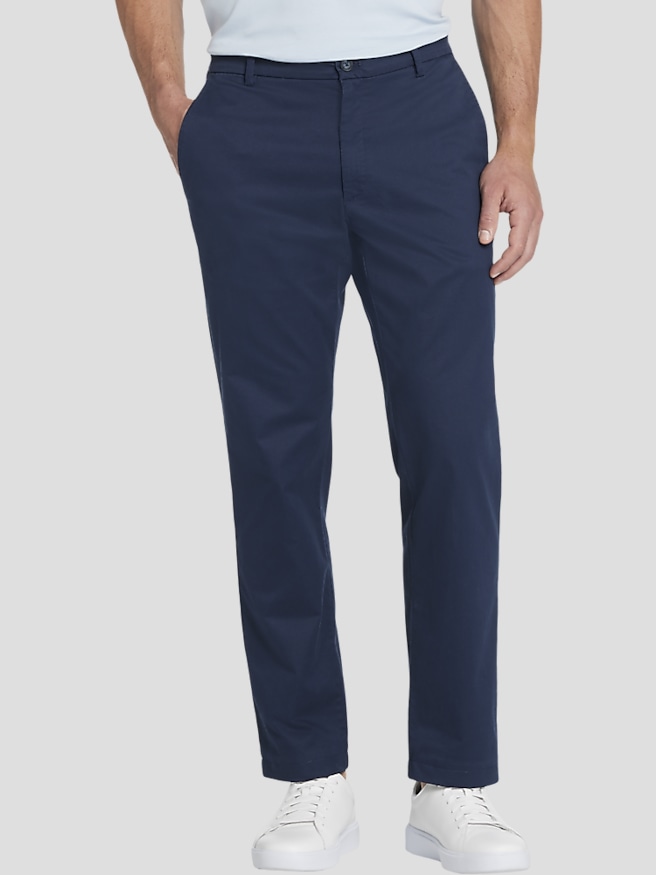
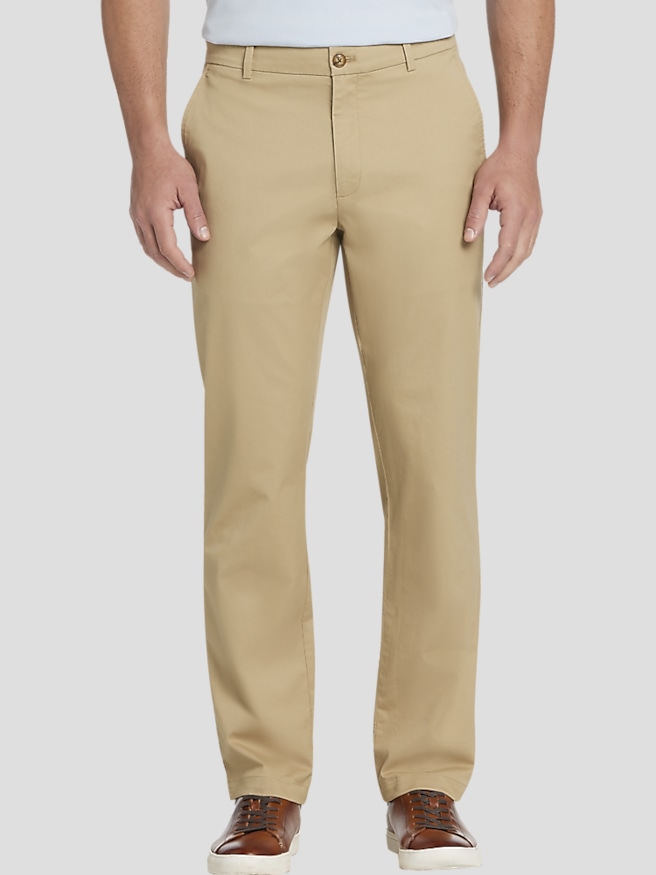
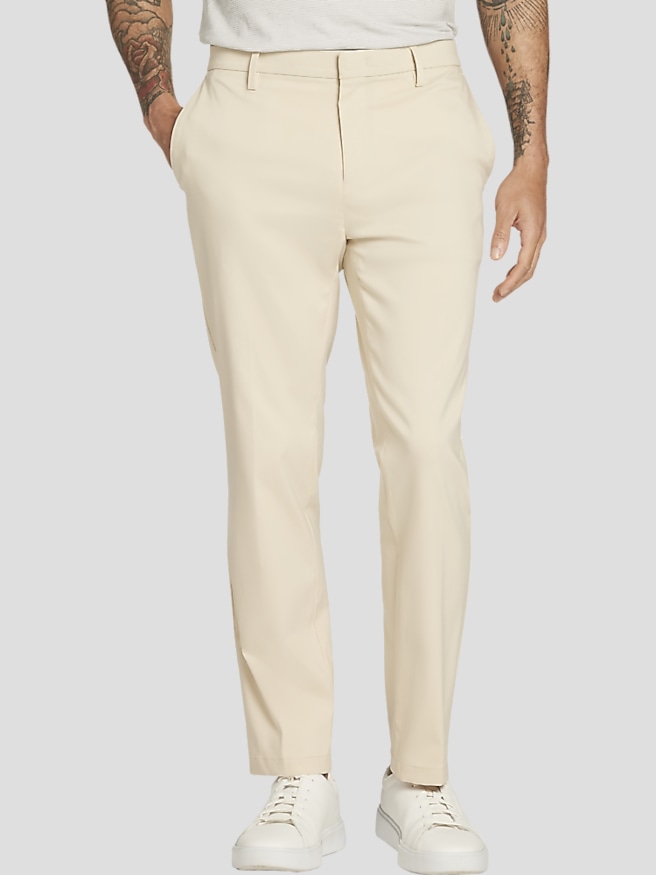
Shirts for chinos include button-down shirts, dress shirts, polos, and casual knit styles, with the best choice depending on the occasion, the fit of the pants, and the finish of the fabric. An Oxford button-down brings enough structure for a business-casual office, while a polo creates a relaxed outfit that still looks considered. A smooth dress shirt makes chinos feel more polished for a dinner reservation or a gathering with a dressy-casual invitation. Cotton Chinos offer a versatile foundation for these combinations, especially when the shirt provides a clear contrast in color or texture. A white or light blue shirt looks crisp against navy chinos; a navy polo gives khaki pants a grounded, classic appearance. Olive chinos work well with white, cream, pale blue, and restrained stripes, while gray chinos pair easily with blue, burgundy, and muted green. These combinations do not need a complicated pattern to look complete. A narrow stripe or small check can add interest without competing with the rest of the outfit. When both pieces are close in color, a visible difference in texture helps keep them distinct: a softly textured shirt against smooth twill, for example, creates depth without a strong color contrast. The level of polish should also feel consistent from top to bottom. Pressed chinos, a tucked dress shirt, a simple belt, and loafers make sense for a client lunch, while a casual button-down worn untucked works naturally with clean sneakers for a museum visit or an afternoon with friends. Chinos can bridge relaxed and refined settings, but they are not a substitute for a suit when an invitation calls for formal attire. For everyday dressing, the goal is a shirt that complements the pants rather than appearing borrowed from a much dressier outfit. Soft collars, matte fabrics, and balanced proportions often make that connection feel effortless.
Fabric plays a large part in how a shirt looks with chinos and how comfortable it feels through a full day. Cotton Oxford cloth has a noticeable weave and a substantial hand, giving button-down shirts an easy structure that suits the character of Cotton Chinos. Poplin is generally smoother and finer, making it useful when a cleaner, more tailored appearance is the priority. Twill shirts have a subtle diagonal weave and can offer a soft drape with enough visual substance to sit comfortably alongside chino fabric. Linen and linen blends bring a textured, relaxed finish; their natural creasing is part of the look rather than a sign that the outfit has gone wrong. Cotton-rich blends may offer added stretch or easier maintenance, although the fabric label and care instructions are better indicators of performance than appearance alone. Knit polos introduce another option, with pique offering surface texture and jersey providing a smoother feel. Collar construction matters, too: a collar that holds its shape can make a knit shirt look sharper without making it feel stiff. Fit should allow the shirt and pants to move together. Shoulder seams should generally sit near the edge of the shoulder, and the front buttons should lie flat rather than pull into gaps across the chest or stomach. A slim cut can create a neat silhouette, but extra tightness does not make an outfit more polished. A straight or fuller cut may offer a better balance with chinos that have more room through the seat and thigh. For tucked shirts, enough length through the body helps the hem stay in place when sitting, reaching, or walking. For untucked styles, a shorter hem that leaves some of the pants visible usually looks more intentional than a long dress-shirt tail. Sleeves should allow comfortable movement at the elbow, and cuffs should close without squeezing the wrist. These small details become especially noticeable during a desk-to-dinner day, when a shirt needs to remain comfortable without constant adjusting.
The most useful shirt choices also reflect how the outfit will be worn and maintained. Someone who spends the day moving between a desk, meetings, and a commute may appreciate a fabric with some give and a collar that stays neat beneath a jacket. For a weekend lunch, a soft polo or casual button-down can provide enough finish without requiring a full dress-shirt routine. A tucked shirt can give the waistline definition, while an untucked style creates a looser outline; either works when the hem length and overall fit are appropriate. Layering adds flexibility without changing the basic pairing. A fine-gauge sweater over a button-down keeps the collar visible, and an unstructured jacket can bring a simple shirt-and-chino combination closer to business casual. Pattern scale deserves attention when adding layers: a small shirt check is easier to coordinate with a solid jacket than several equally prominent patterns. Care is just as important as styling when building combinations that will be worn repeatedly. Follow the garment label for washing, drying, and ironing, since fiber blends, finishes, and construction can require different treatment. Prompt attention to collar and cuff marks helps prevent buildup, while avoiding excessive dryer heat can reduce unnecessary wear. Hanging a shirt after drying can help preserve its shape, and pressing the collar, placket, and cuffs gives a button-front style a noticeably cleaner finish. For durability, look for secure buttons, even stitching, and seams that lie smoothly without puckering. Those details matter more over repeated wears than decorative extras that do not serve a purpose. Shirts that pair easily with chinos can also make thoughtful gifts for someone starting a new office role, building a practical everyday wardrobe, or updating familiar outfits. A known size, a preferred fit, and colors already worn often are useful starting points. White, light blue, navy, and subtle patterns offer plenty of room for personal taste while keeping the shirt easy to combine with pants already in the closet.