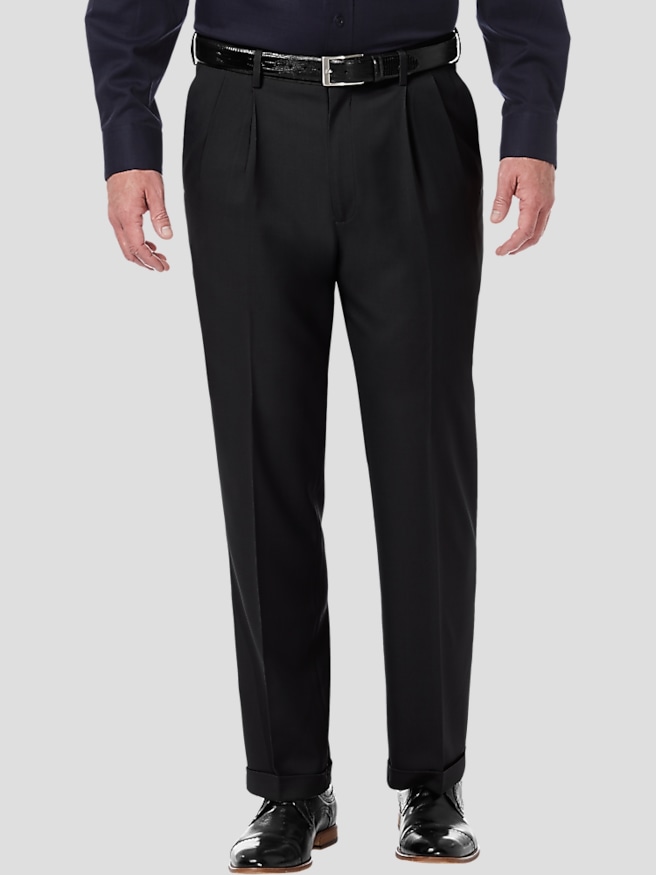
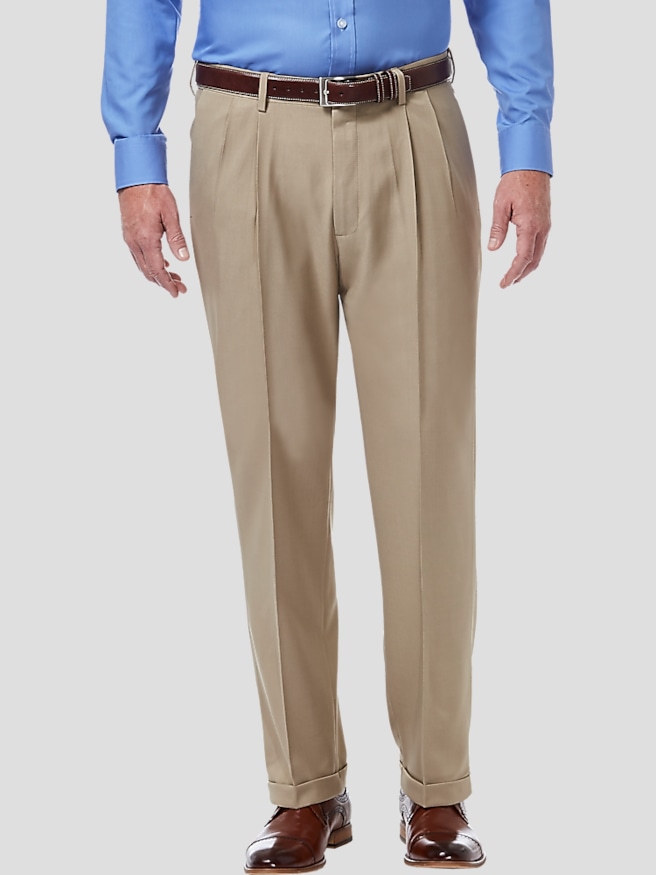
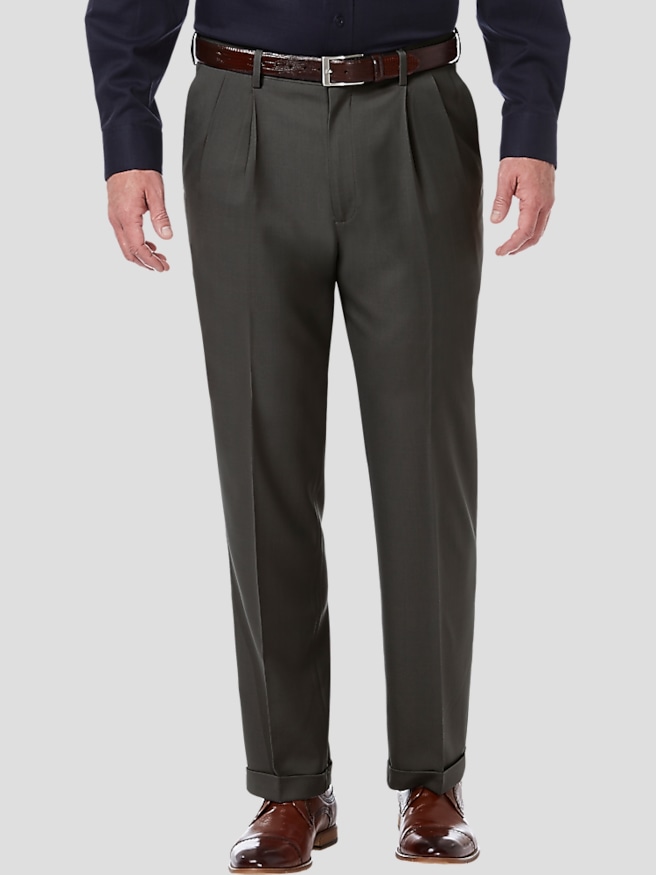
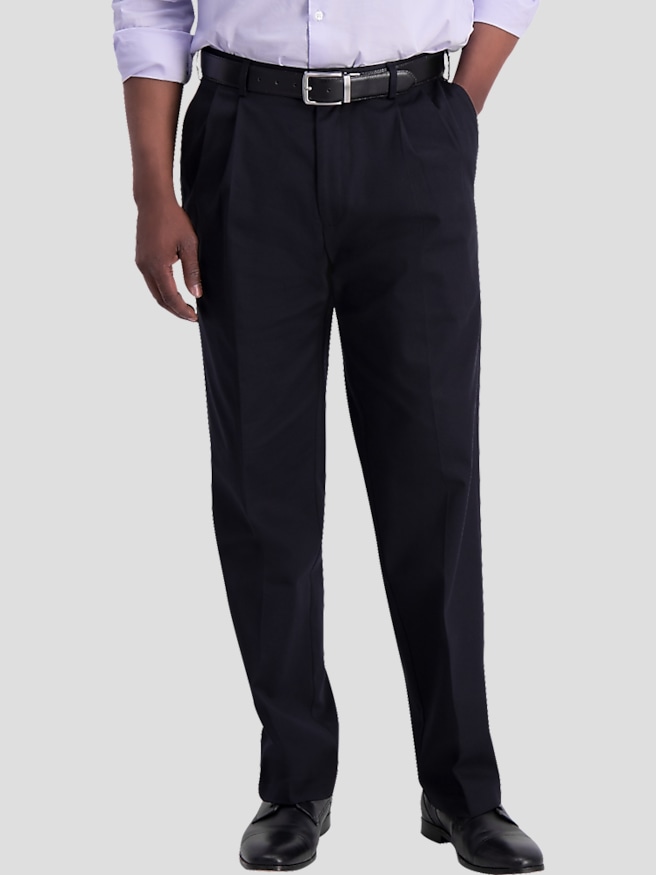
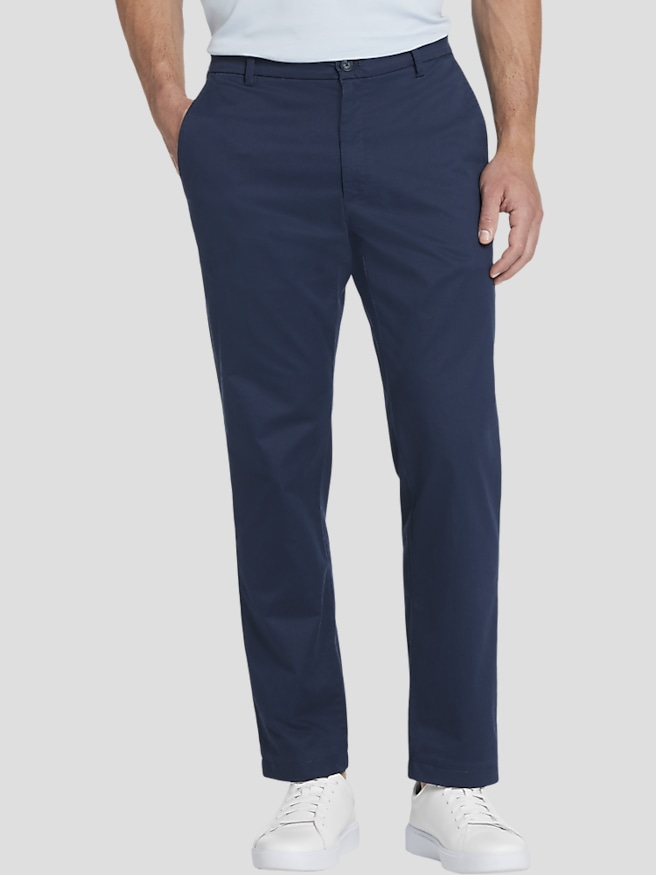
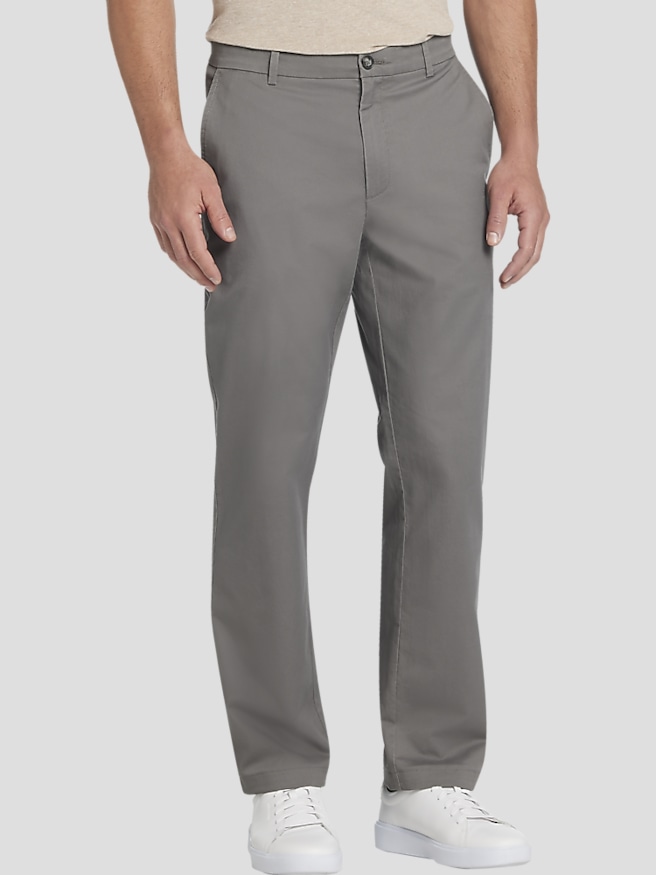
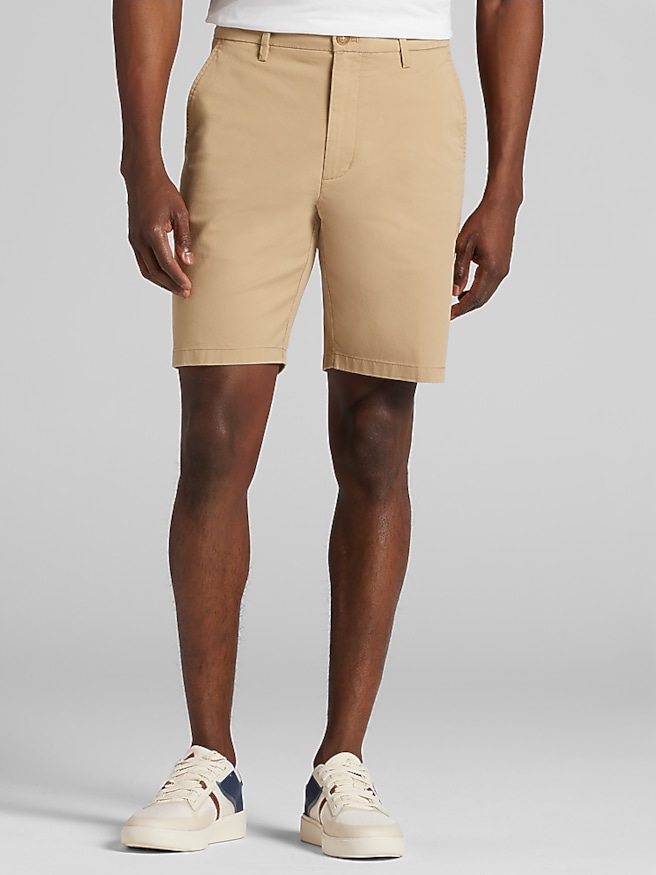
Cotton chinos are trousers made from cotton or cotton-blend twill, recognized for their subtle diagonal weave, smooth surface, and clean, structured appearance. They sit comfortably between denim and dress trousers: polished enough for many business-casual settings, yet relaxed enough for everyday errands, casual dinners, and travel. Their roots in military uniforms help explain the combination of practical construction and understated styling that still defines them. Unlike jeans, chinos typically have slanted front pockets and discreet back pockets rather than prominent patch pockets and heavy contrast stitching. Compared with traditional suit trousers, they generally have a less formal finish and are designed to work without a matching jacket. Cotton gives the fabric a breathable, familiar feel, while the twill construction provides substance for regular wear. Pure cotton versions can feel crisp at first and soften with use; cotton blends containing a small amount of elastane or spandex add stretch that can make sitting, walking, and bending more comfortable. Fiber content alone does not determine how a pair will feel, though. Fabric weight, yarn quality, finishing, and the cut all influence softness, flexibility, and drape. A tightly woven twill may look neat and hold its shape well, while a washed finish tends to have a softer hand and a more relaxed appearance. Chinos also come in more than the familiar sandy shade often associated with them. Khaki describes a color, while chino describes a type of trouser, so navy, olive, gray, brown, and black can all belong in the same category. Within the broader range of Cotton Pants, chinos stand out for their ability to bridge casual and more polished outfits without elaborate styling. For someone whose day moves from a desk to a neighborhood restaurant, that balance makes them a useful wardrobe foundation. Their appeal is less about making a statement than about creating a tidy, comfortable starting point for the rest of an outfit.
Fit has a noticeable effect on both the appearance and usefulness of cotton chinos. A slim fit generally follows the leg closely, while a straight fit leaves a more consistent line from the thigh toward the hem. Tapered cuts narrow below the knee, and athletic fits typically provide additional room through the seat and thighs before narrowing toward the ankle. These terms vary across clothing makers, so the most meaningful details are how the waistband sits, whether the pockets lie flat, and whether the fabric moves freely through the seat and knees. A comfortable waistband should stay in place without digging in when seated, and the fly should lie smoothly rather than pulling open. Horizontal tension lines across the upper thighs or pockets that flare outward can signal that more room is needed. Excess fabric pooling beneath the seat or around the ankles may suggest that a different cut or length would create a cleaner result. The rise matters as much as the leg shape: a mid-rise can offer a balanced proportion, while a higher rise may suit someone who prefers the waistband closer to the natural waist or regularly tucks in a shirt. Stretch can improve ease of movement, but it should not substitute for enough space in the cut. For a day that includes commuting, sitting through meetings, and taking a walk at lunch, comfortable room through the hips and thighs is especially useful. Hem length changes the overall impression, too. A slight break over loafers or lace-up shoes looks understated, while a hem with little or no break creates a sharper line. A small cuff can make an outfit feel more casual, though it also shortens the visible length of the leg. The best proportion is one that works with the wearer's build and usual footwear, rather than demanding constant adjustments. When chinos are intended as a gift, a familiar waist size, inseam, and preferred fit provide a more reliable starting point than choosing by appearance alone.
The everyday versatility of cotton chinos becomes clear in the combinations they support. A tucked-in Oxford shirt, leather belt, and loafers can look composed for an office with a business-casual dress code. A polo and clean sneakers take the same type of trousers in a more relaxed direction for lunch with friends or a day spent visiting family. With an unstructured sport coat, chinos can suit a presentation, a dinner reservation, or a celebration where a full suit is not expected. They are not a substitute for formal attire when an invitation specifies it, but they offer considerable flexibility where the dress code allows separates. Color helps set the tone: navy and charcoal create a subdued foundation, khaki pairs naturally with blue and white, and olive works well with cream, brown, and muted patterns. Keeping the shoes, belt, and shirt at a similar level of formality makes these combinations feel intentional. Regular care helps preserve that clean appearance. The care label should determine washing, drying, and ironing methods, especially when the fabric includes stretch fibers or a specialty finish. Where machine washing is permitted, washing with similar colors and avoiding unnecessarily high heat can help limit fading and shrinkage. Turning trousers inside out can reduce surface abrasion, and promptly removing them from the washer or dryer helps keep deep creases from setting. Cotton naturally wrinkles, so a light press or steaming, when permitted by the label, may be useful before a meeting or dinner. Stretch blends need particular care with heat because excessive temperatures can affect elastic fibers. Between wears, hanging chinos neatly allows the fabric to settle and makes the next outfit easier to put together. Durability depends on more than a sturdy weave: secure buttons, reinforced stress points, sound pocket construction, and enough room to move all contribute to lasting wear. Overfilled pockets and persistent pulling at seams can strain even substantial fabric. With a comfortable fit, thoughtful care, and colors that work with existing shirts and shoes, cotton chinos can become a dependable part of a daily rotation.