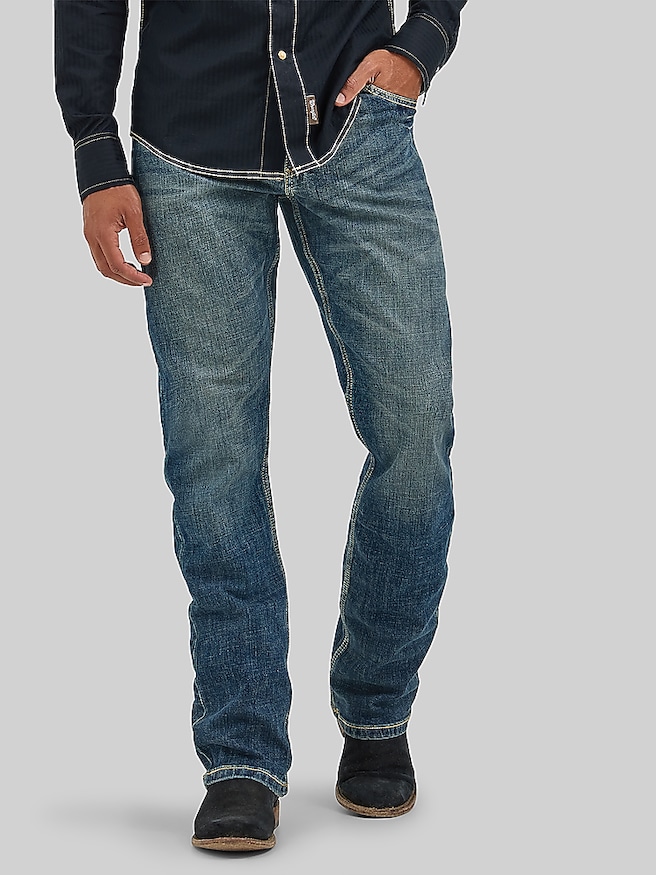
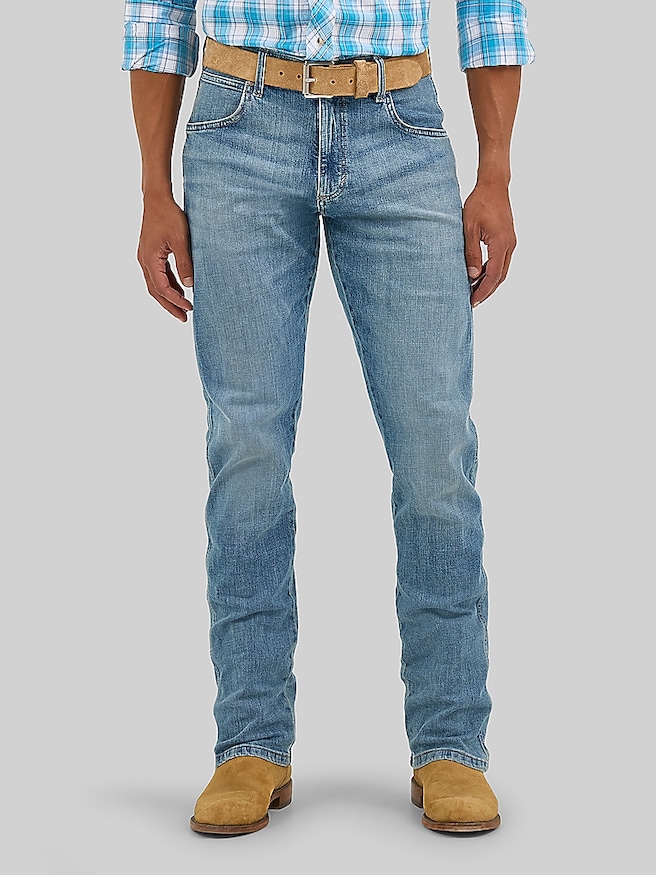
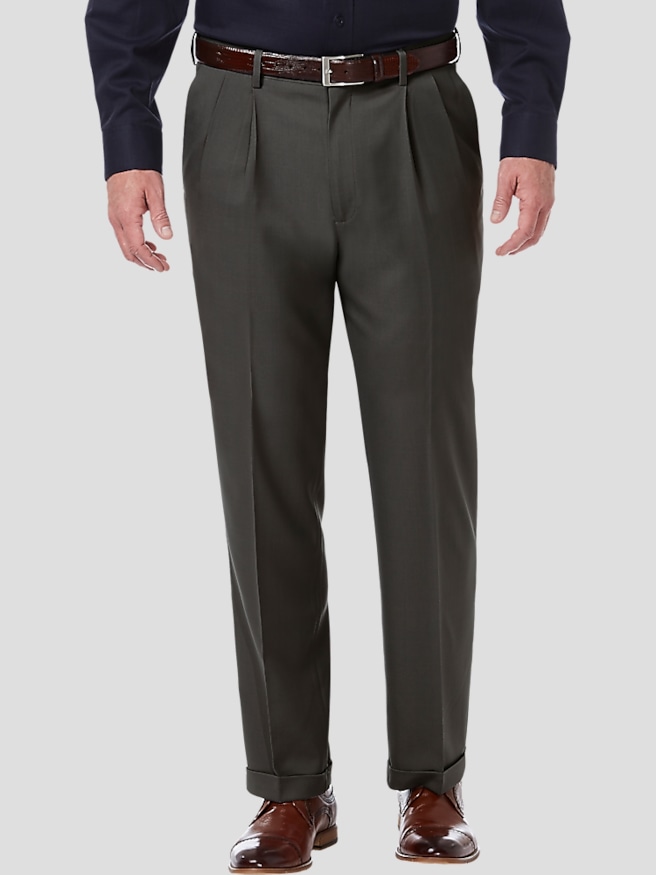
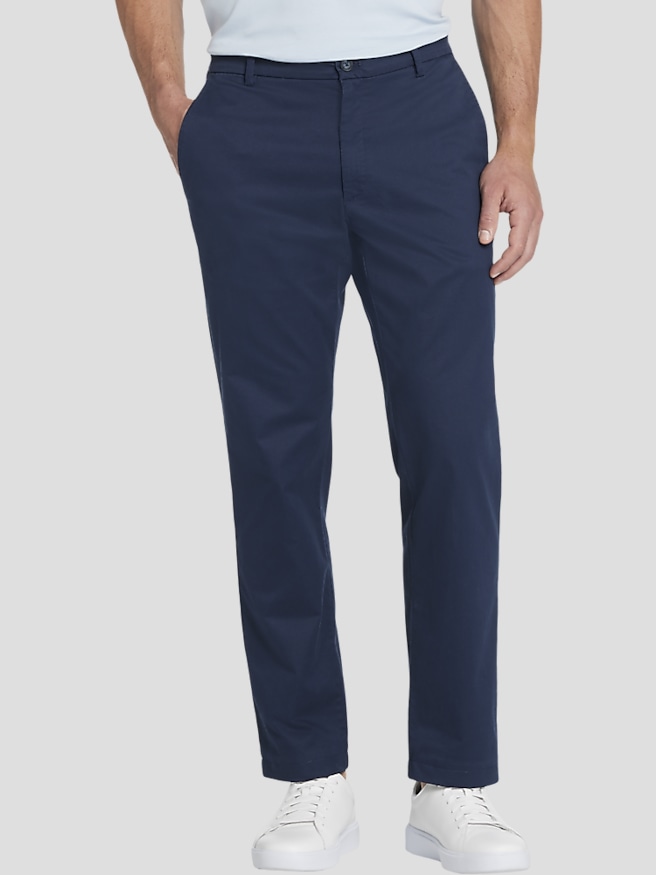
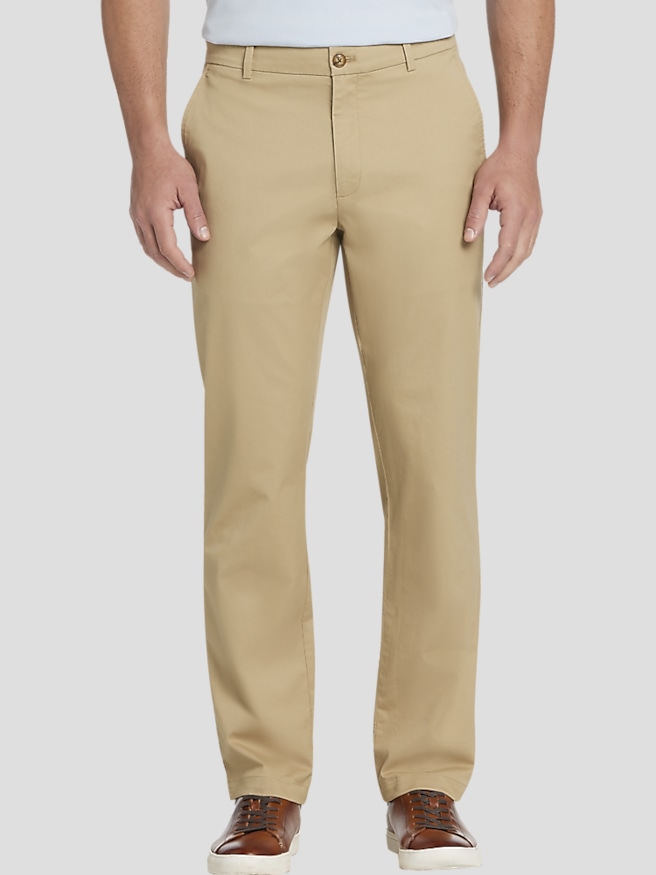
Cotton pants are trousers made from cotton fabric or a cotton blend, valued for their soft feel, breathability, and versatility across everyday dress codes. They can look polished enough for a business-casual office while feeling comfortable at a neighborhood restaurant, a family gathering, or a desk at home. Cotton is a natural fiber that absorbs moisture and generally feels comfortable against the skin, although airflow and drying time depend on the fabric’s weight, weave, and fiber blend. Those details help explain why two pairs of cotton pants can feel quite different. Twill has a diagonal weave that gives many chinos their familiar texture and balance of structure and flexibility. Canvas usually has a more substantial, utilitarian character, while finer woven fabrics can create a smoother surface suited to dressier combinations. Brushed finishes feel softer to the touch, and garment washing can give fabric a more relaxed appearance from the start. Neither a soft finish nor a crisp one determines quality on its own; the better match depends on the look and feel someone prefers. Pure cotton offers the natural character of the fiber, while blended fabrics can introduce other qualities. A small amount of spandex adds stretch that can make sitting, bending, and walking more comfortable without requiring an especially loose silhouette. For that balance of familiar cotton texture and added flexibility, Cotton Spandex Trousers offer a related option. Stretch content does not replace good fit, however, and the fabric should still hang smoothly rather than remain under tension. Fabric weight also affects how pants drape: a substantial cloth tends to hold a defined shape, while a lighter construction may move more freely. Together, fiber content, weave, finish, and construction give cotton trousers a range of personalities, from neatly pressed and understated to soft, textured, and deliberately casual. That variety makes cotton a useful foundation for a wardrobe built around real routines rather than a single occasion.
The right fit gives cotton pants their shape without making them restrictive. At the waist, the waistband should sit securely at its intended position without digging in or depending on a tightly cinched belt to stay in place. Through the seat and thighs, enough room to sit comfortably helps prevent pulling across the pockets and horizontal tension lines across the front. Rise matters here, too: a rise that is too short can pull when seated, even when the waist measurement seems correct. Slim fits follow the leg more closely, straight fits maintain a more consistent line, and relaxed fits provide additional room through the seat and thigh. A tapered leg can combine space higher up with a narrower opening at the ankle. These descriptions are useful starting points, but proportions and measurements matter more than the name of the fit. Someone who spends much of the day seated may appreciate extra room through the upper leg, while someone who prefers a cleaner outline beneath a jacket might favor a straighter, more tailored drape. The hem should work with the shoes worn most often. A slight break creates a familiar trouser shape, while little or no break gives the lower leg a cleaner line; excess fabric bunching over the shoe can make even well-fitting pants look unfinished. Color and surface texture then help set the tone. Navy, charcoal, olive, and tan pair naturally with a broad range of shirts and knitwear. Smooth cotton trousers with a button-down shirt, leather belt, and loafers can suit an office with a relaxed dress code. A textured pair with a polo and clean sneakers feels more casual without looking careless. For dinners or celebrations where a suit is not required, a softly structured jacket can add definition. Cotton pants offer considerable versatility, but the invitation or workplace dress code still determines whether casual trousers are appropriate. A good combination looks intentional because the fit, footwear, and level of formality agree.
Cotton pants also reward attention to construction and care. Even stitching, neatly finished seams, secure buttons, and pockets that lie flat are useful details to examine. Reinforcement around pocket openings and other stress points can help support repeated wear, while a well-constructed waistband contributes to a consistent fit. A heavier fabric may tolerate abrasion well, but durability is not simply a matter of thickness; yarn quality, weave, stitching, and laundering all play a part. Cotton can wrinkle and may shrink, so the care label should take priority over assumptions about how an everyday fabric ought to be washed. When machine washing is permitted, sorting similar colors, turning pants inside out, and avoiding unnecessarily harsh cycles can help preserve their appearance. Treating a small stain promptly according to the fabric’s care instructions is often better than repeatedly washing the entire garment. Excessive dryer heat can contribute to shrinkage and wear, especially in stretch blends, so the recommended drying method matters. Removing pants promptly after drying and smoothing the seams can reduce creasing; pressing at the appropriate setting provides a sharper finish when desired. Hanging trousers neatly or folding them along their natural lines also helps keep them ready for the next wear. For travel, cotton offers familiar comfort, though wrinkles may need attention after unpacking, and absorbent cotton does not necessarily dry quickly after washing. These are practical considerations for a suitcase built around repeat wear. Cotton pants can also make a thoughtful gift for a partner, father, adult son, or recent graduate establishing a work wardrobe, particularly when waist size, inseam, and preferred fit are known. A familiar color and a silhouette similar to a well-loved pair make the choice more personal and useful. Whether intended for commuting, casual appointments, shared meals, or an unhurried weekend, well-chosen cotton trousers bring together a comfortable fabric, an appropriate fit, and the everyday usefulness that makes clothing worth reaching for again.