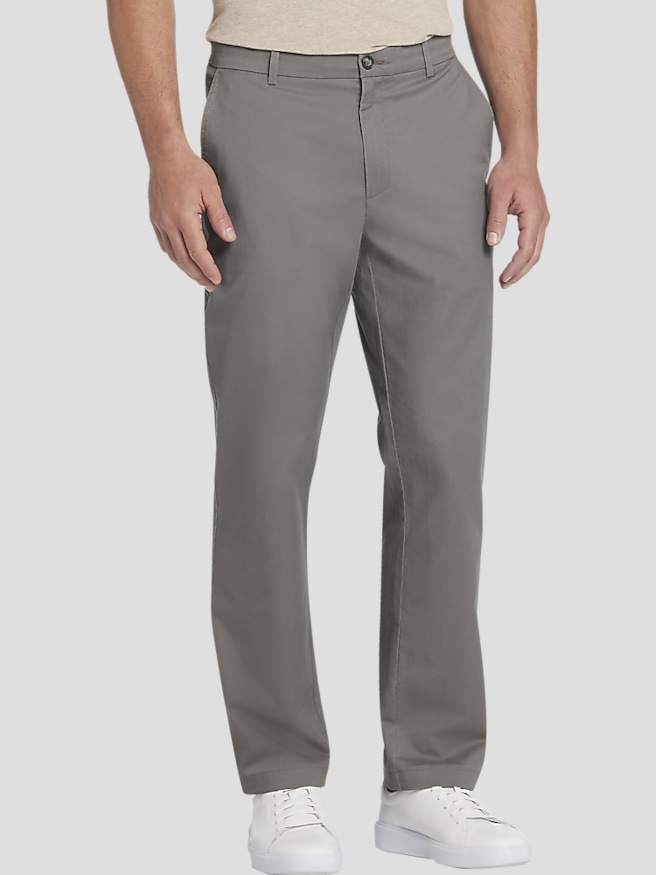
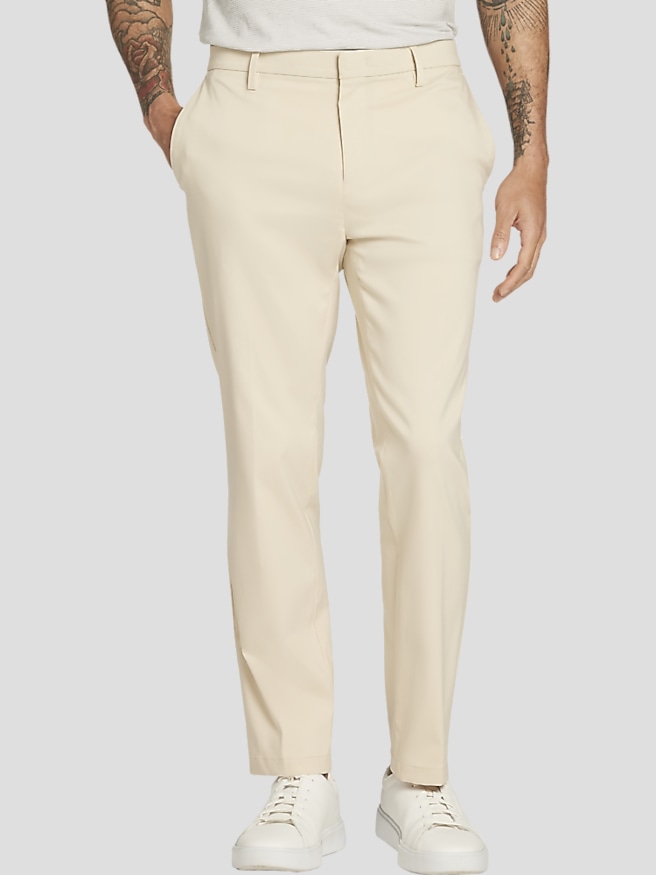
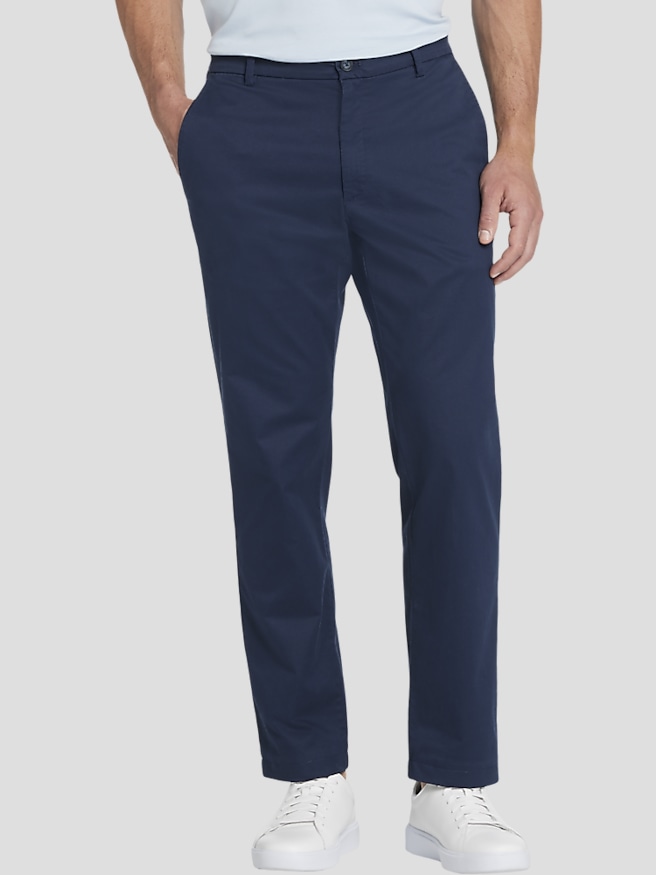
Cotton spandex trousers combine the familiar softness of cotton with the flexibility of spandex, creating pants that balance a polished appearance with comfortable movement. Cotton provides much of the fabric’s texture and body, while spandex, also called elastane, adds stretch that can make sitting, walking, and bending feel less restrictive. That combination suits days spent moving between a desk, a commute, and plans after work, especially when a tailored look matters as much as ease of wear. The fabric blend is only part of the story, however. Weave, fabric weight, finishing, and construction all influence how trousers feel and hang. A cotton-rich twill often has a subtle diagonal texture and a substantial hand, while a finer, smoother weave can create a cleaner surface that pairs naturally with dress shirts and sport coats. The amount of spandex does not tell the whole comfort story, either: the direction of stretch and the way the fabric is woven also affect flexibility. Some woven blends stretch mainly across the body, while others allow movement in more than one direction. Cotton contributes breathability and absorbs moisture, although a cotton-spandex blend should not automatically be treated as moisture-wicking or quick-drying performance fabric. Likewise, added stretch can help fabric recover after movement, but it does not make every pair wrinkle-free or resistant to bagging. Those qualities depend on the blend and construction. The appeal is straightforward: a familiar trouser silhouette with a little more give through the movements of an ordinary day. For someone who appreciates the clean appearance of woven pants but dislikes a rigid feel across the thighs or knees, cotton spandex trousers offer a useful middle ground between traditional tailoring and relaxed casual clothing. Their character can range from crisp and structured to softly broken-in, making fabric texture just as important as the color or cut.
Fit gives that stretch fabric its shape, and a well-proportioned silhouette remains important even when the material has plenty of give. The waistband should sit securely without digging in when seated, with enough room through the seat and thighs for the fabric to fall smoothly rather than pull into tight horizontal lines. Stretch is helpful when stepping into a car or settling into a long meeting, but it is not a substitute for the right size. Pocket openings that flare outward or fabric that strains across the fly can interrupt an otherwise clean appearance. Rise also changes how trousers feel: a mid-rise cut offers a familiar position near the natural waist, while a lower or higher rise creates a distinct proportion with tucked shirts and shorter jackets. Slim fits follow the leg more closely, straight fits maintain a more consistent line, and tapered fits narrow toward the ankle without necessarily fitting tightly through the upper leg. The hem brings those proportions together. A slight break over a loafer feels classic, while a cleaner, shorter finish can emphasize a tapered leg and a streamlined shoe. Cotton spandex trousers work particularly well in business-casual wardrobes, where a button-down shirt, leather belt, and polished shoes create a finished outfit without a matching suit jacket. A knit polo offers a more relaxed alternative, and a textured sport coat adds definition for a dinner reservation or a client-facing appointment. The restrained look of Black Cotton Pants makes them a versatile foundation for a white Oxford shirt, a fine-gauge sweater, or a softly structured jacket. Navy, gray, and khaki bring their own useful combinations, from tonal outfits to contrasts with brown leather accessories. A matte cotton surface generally reads less formal than traditional suiting, so the overall effect depends on the shirt, shoes, and occasion. For office days, casual celebrations, and travel with a smart-casual dress code, the combination of structure and flexibility can feel especially appropriate.
Good care helps preserve both the cotton fabric and the stretch fibers that make these trousers comfortable. The care label takes priority because dyes, finishes, linings, and waistband construction can change what a garment needs. Many cotton-spandex fabrics tolerate machine washing, but that does not mean every pair belongs in the same wash cycle. When washing is permitted, a gentle cycle and similar colors can help limit unnecessary friction and color transfer. Excessive heat can contribute to cotton shrinkage and weaken elastic fibers over time, making the recommended drying method particularly important. Prompt removal after washing or drying can reduce the time creases have to settle into the fabric, and smoothing the legs before hanging helps maintain a neater line. Ironing also calls for attention to the label; an appropriate setting and a pressing cloth can help protect the surface, especially on dark colors where shine may be noticeable. Cotton’s natural tendency to wrinkle does not disappear with the addition of spandex, so a softly creased appearance after a full day is not unusual. Long-term durability depends on more than the fiber percentages. Neat seams, secure pocket attachments, and a stable waistband all contribute to trousers that hold up to repeated wear, while a comfortable fit reduces constant strain at the seat, knees, and pocket edges. Rotating between pairs gives each garment a break from repeated friction and allows time for laundering and drying without rushing the process. These practical qualities also make cotton spandex trousers a thoughtful gift for someone starting a new job, building a business-casual wardrobe, or replacing pants that feel too stiff for everyday use. Familiarity with the recipient’s waist size, inseam, and preferred fit makes the choice more personal. Above all, the right pair should feel easy to live in: comfortable through a seated lunch, neat enough for an afternoon appointment, and adaptable enough to stay on for dinner afterward.