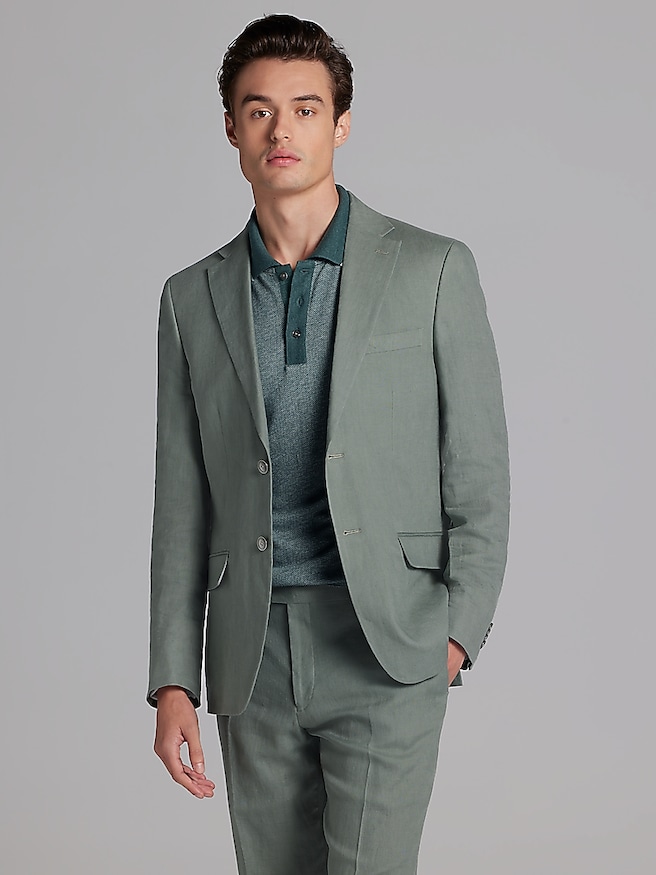
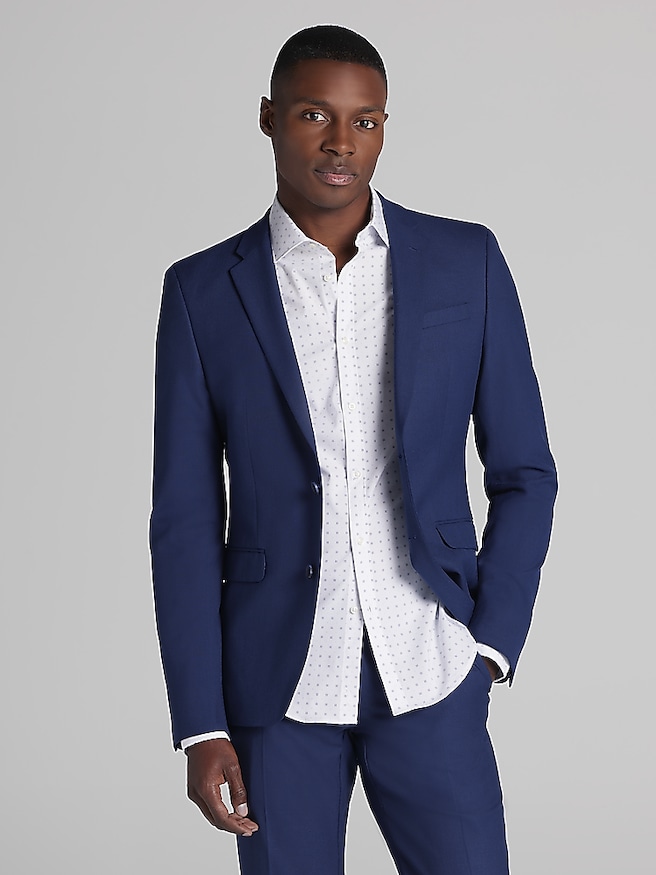
Early fall wedding outfits for men bring together polished tailoring, comfortable fabrics, and colors that suit the invitation and setting. A navy or charcoal suit with a crisp dress shirt and leather dress shoes is a versatile foundation for many celebrations, while black-tie attire calls for a tuxedo and the appropriate formal accessories. A black-tie-optional invitation leaves room for either a tuxedo or a dark suit with a tie; cocktail attire generally favors a tailored suit, with more flexibility in color and pattern. For a relaxed daytime ceremony, a sport coat and dress pants can feel appropriate when the hosts’ dress code allows separates. The venue adds useful context: a city ballroom often suits darker tailoring and restrained accessories, while a garden ceremony or vineyard reception can accommodate softer neutrals, textured fabrics, and earthy accents. Navy, medium gray, olive, and warm brown work well with an early autumn palette without making the outfit feel like a costume. Burgundy, deep green, and muted rust are effective accent colors for ties or pocket squares, particularly against a simple suit and shirt. Subtle checks and small floral patterns can add personality without competing with the wedding party or overwhelming photographs. A guest’s outfit does not need to match the décor, and an all-white ensemble is best left to an explicit request from the couple. For celebrations with a distinctly warm-weather setting, the Summer Wedding Outfit collection provides related context for lighter fabrics and softer colors. The strongest choice still follows the invitation rather than the scenery alone. A waterfront venue does not automatically make shorts appropriate, just as a rustic setting does not rule out a suit. For grooms, groomsmen, family members, and guests, the goal is clothing that respects the occasion while feeling natural enough to wear through the ceremony, dinner, and a full evening of conversation and dancing.
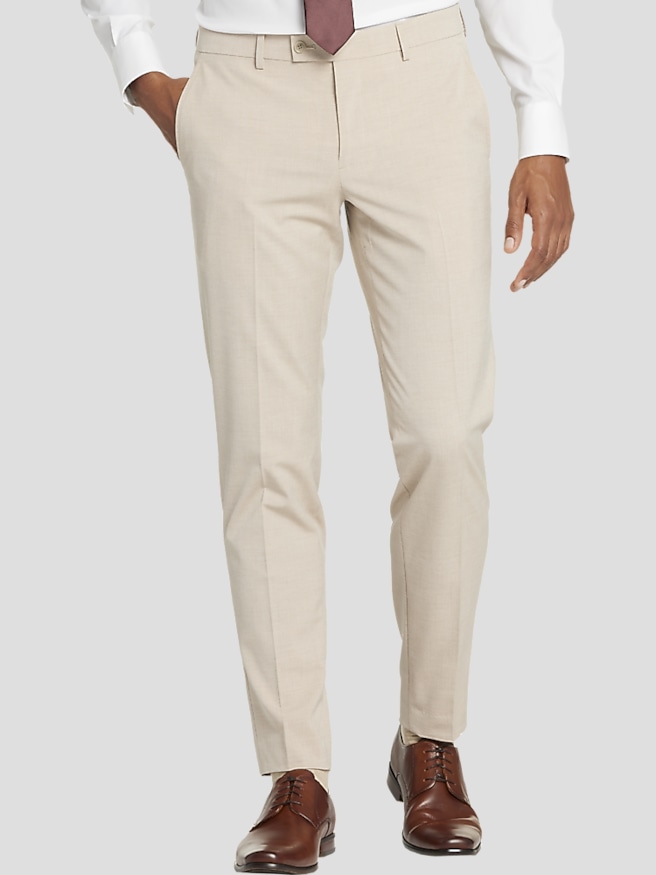
Fabric and fit shape how wedding attire feels over several hours, especially when the celebration moves between outdoor spaces and air-conditioned rooms. Wool suiting is a dependable option because many wool fabrics breathe well, drape cleanly, and recover from light creasing, although the weave and weight matter as much as the fiber name. An open-weave wool can feel airy, while a denser cloth creates a more substantial appearance. Wool blends vary in texture, stretch, and wrinkle resistance, so the fabric composition and care label offer more useful information than appearance alone. Linen brings a relaxed texture and natural breathability, with creasing that becomes part of its character; a linen blend may soften that effect while retaining some of the easygoing look. Cotton tailoring can suit a less formal daytime event, though it may show wrinkles more readily than some wool fabrics. Heavier textures create visual depth but may feel cumbersome at a sunlit ceremony, making fabric weight worth considering alongside color. A dress shirt should feel comfortable at the neck when buttoned, with enough room across the shoulders and chest to sit, reach, and move without pulling. In a well-fitting jacket, the collar rests close to the shirt collar, the shoulders lie smoothly, and the buttoned front stays neat rather than forming pronounced tension lines. Slim, modern, and classic fits describe different silhouettes, not levels of formality; the most flattering cut follows the wearer’s proportions without restricting movement. Pants should sit securely at the intended waist and fall cleanly over the shoes, with a hem that avoids excess pooling. Trying the full outfit while sitting and walking reveals issues that are easy to miss while standing still. Appropriate alterations can refine sleeve length, trouser length, and overall balance, helping an outfit look intentional in both candid reception photos and more formal portraits.
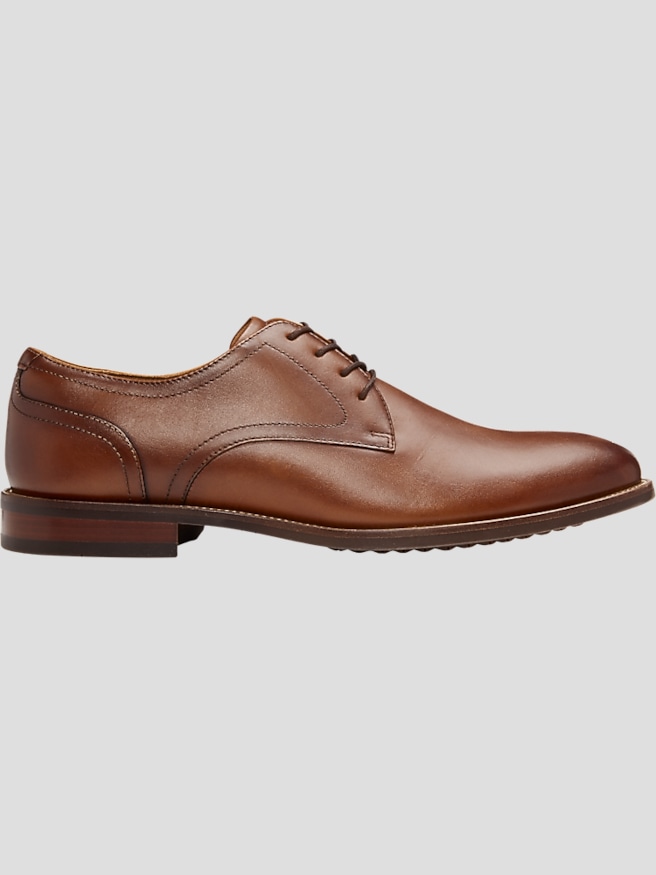
The finishing pieces give wedding clothing its sense of occasion without requiring every detail to match. A white dress shirt creates a crisp contrast with darker tailoring, while pale blue can soften a daytime suit when the dress code permits. A silk tie adds a smooth finish; a subtly textured tie can bring depth to a matte suit. Pocket squares look more considered when they complement a tie rather than repeat its exact fabric and pattern. With a tuxedo, a formal shirt, bow tie, and appropriate formal footwear maintain the distinction between eveningwear and an ordinary business suit. With a suit, polished oxfords or derbies provide a clean foundation, and refined loafers can work for less formal celebrations. Black leather pairs naturally with black and charcoal tailoring, while dark brown often complements navy and earthy shades. Comfort deserves equal attention: shoes that fit securely and have been worn before the event are easier companions for a long receiving line or a crowded dance floor. Outdoor paths, lawn ceremonies, and gravel courtyards also make stable footing important. Dress socks that coordinate with the trousers keep the line of the outfit uninterrupted when seated, and a belt, when worn, should relate to the shoes in color and formality. A discreet watch or meaningful cuff links can add a personal note without drawing attention away from the couple. Ties, pocket squares, and cuff links can also make thoughtful gifts for a groom or wedding-party member, particularly when chosen around the planned attire. After the celebration, careful storage helps preserve the outfit for future weddings, dinners, and other dress occasions. Jackets benefit from supportive hangers, trousers from neat hanging, and garments from time to air before storage. Prompt attention to spills and cleaning according to the care label help protect fabric and construction; professional cleaning need not follow every wear unless the garment needs it. That combination of thoughtful styling, comfortable fit, and sensible care gives wedding attire value well beyond a single celebration.