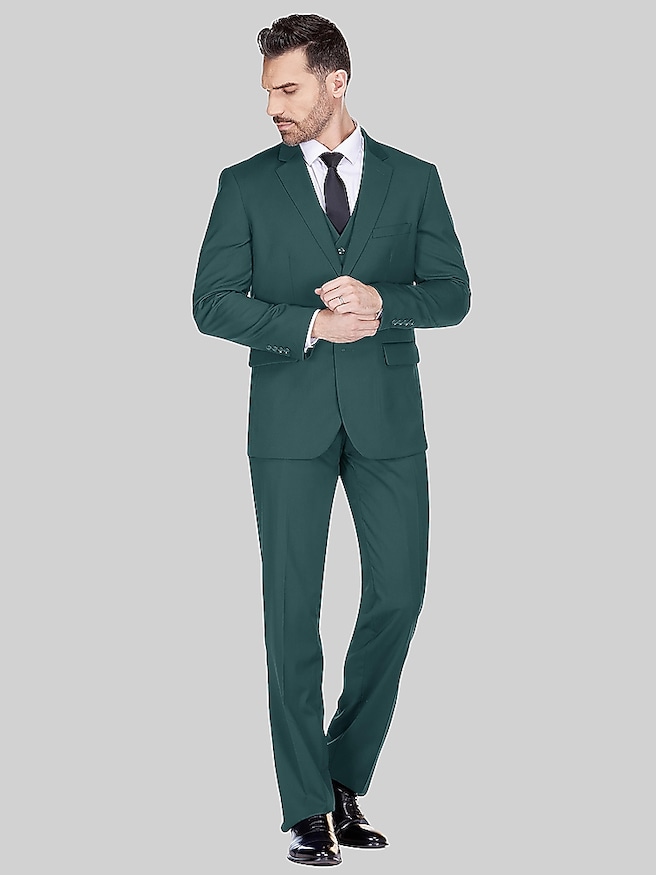
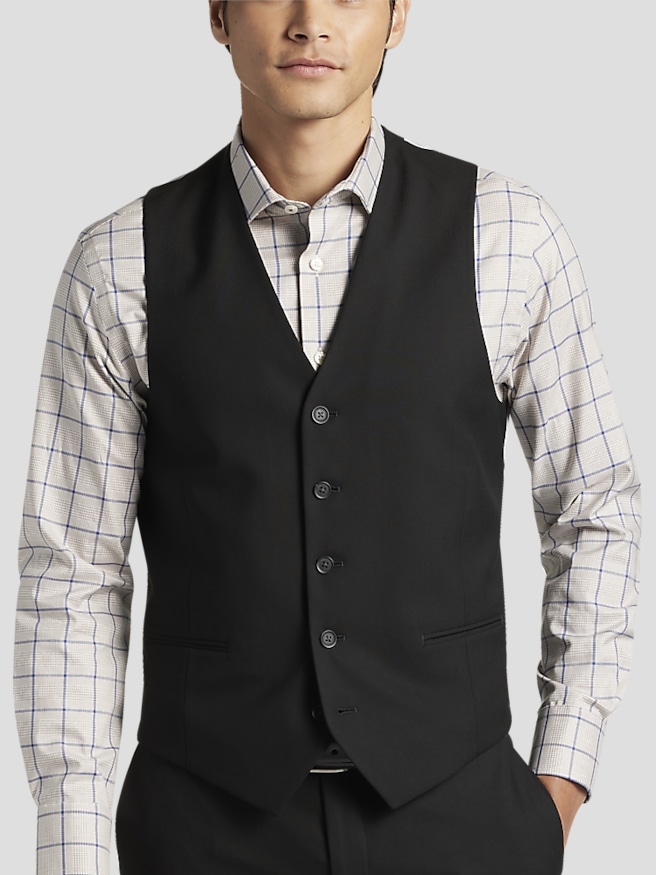
Suit separates are matching suit jackets, pants, and sometimes vests made to be selected individually rather than as a fixed-size set. Their main advantage is independent sizing: a jacket that fits through the shoulders and chest can be paired with trousers in the waist size and length that feel right. For men with broad shoulders and a narrower waist, a fuller midsection, or proportions that fall between standard suit sizes, that flexibility can make a noticeable difference. The result is still a coordinated suit, with pieces designed to share the same fabric, color, and pattern, but without requiring the jacket and pants to follow a preset size combination. Matching suit separates are distinct from an intentionally contrasting blazer-and-trouser outfit; the fabric relationship is what gives the finished suit its continuous, polished appearance. Fit matters most where alterations are more involved, particularly across the shoulders and through the jacket’s overall length. A well-fitting shoulder follows the body without extending noticeably beyond it, while the collar rests against the shirt collar rather than leaving a gap. The jacket should button without pulling sharply across the middle, and its lapels should lie smoothly against the chest. Trousers need enough room through the seat and thighs to sit at a desk, step into a car, or walk comfortably without excess fabric bunching. Rise also affects comfort, especially when a shirt is tucked in and the jacket is buttoned. Slim, tailored, and classic fits describe different silhouettes, not universal measurements, so the cut of each piece matters as much as the size on its label. A closer fit creates a leaner outline, while a roomier cut allows more ease through the body and legs. Separates make it possible to choose each component with those needs in mind, though finishing details such as sleeve length, trouser hems, and waist adjustments may still benefit from tailoring. That combination of coordinated fabric and individual sizing makes suit separates useful for both occasional dress wear and a regular professional wardrobe.
Fabric and construction shape how suit separates look, feel, and hold up through repeated wear. Wool is valued for its drape, breathability, and ability to recover from light creasing, giving a jacket and trousers a clean outline without an overly rigid feel. Wool blends can combine those qualities with other fibers that influence texture, weight, and wrinkle resistance. Fabrics with added stretch may offer more give when reaching across a conference table or spending several hours seated, although stretch does not replace adequate room in the cut. Smooth worsted fabrics tend to read as polished and businesslike, while a more visible weave adds texture that can soften the formality of the outfit. Lining affects how easily a jacket slips over a shirt and how structured it feels on the body; the amount and placement of lining vary by design. Details such as secure buttons, neat seams, and smooth pocket openings contribute to a finished appearance and help garments withstand routine use. When matching separate pieces, the same general color name is not enough to establish a true suit. Two navy fabrics can differ in undertone, sheen, weave, or pattern scale, creating a contrast that becomes obvious when the jacket and trousers are worn together. Pieces intended to coordinate should share the same fabric and design, including any stripe or subtle check. Solid navy and charcoal provide a versatile foundation for dress shirts and ties, while patterned tailoring brings more visual character to the outfit. A fine stripe can look restrained from across a room yet add definition up close; a quiet check creates depth without requiring bold accessories. Texture also influences the overall impression, with a matte cloth feeling understated and a more lustrous finish drawing greater attention. Choosing suit separates involves balancing that visual character with everyday practicality. A suit worn frequently for office meetings has different demands from one reserved for ceremonies, but both benefit from fabric that hangs cleanly, feels comfortable, and retains its shape.
The versatility of suit separates is especially useful when one coordinated outfit needs to serve several occasions. For an interview or client presentation, matching trousers and a jacket with a crisp dress shirt create a composed appearance that keeps the focus on the conversation. For a wedding ceremony, graduation, or anniversary dinner, the same foundation can take on a more celebratory character through a tie, pocket square, and polished shoes. A matching vest, when part of the same coordinated design, adds another layer of formality and helps maintain a dressed appearance when the jacket comes off. Men building a first professional wardrobe, replacing an ill-fitting suit, or accommodating a change in measurements may appreciate the ability to size the pieces separately. As a gift, tailored clothing is most useful when the recipient’s measurements and fit preferences are known, with room to address any finishing alterations. Within a broader tailored wardrobe, suit separates complement options such as Exclusive Suits, while offering the particular benefit of independent jacket and trouser sizing. Long-term wear depends on care as well as fabric. Following each garment’s care label helps protect its shape, surface, and construction; a jacket and its coordinating pants may need the same cleaning method even when one piece appears less worn. Cleaning matching pieces together when appropriate can help keep their appearance consistent over time. Between cleanings, gentle brushing removes surface dust, and time on a supportive hanger lets light wrinkles relax. A shaped jacket hanger supports the shoulders, while trousers hung neatly along their creases are less likely to develop unwanted folds. Overfilled pockets can distort the outline, so keeping bulky objects elsewhere helps preserve the suit’s drape. Pressing should suit the fabric and care instructions rather than relying on high heat, which can leave shine or damage fibers. Rotating outfits gives garments a rest between wears, and breathable storage helps keep them protected without trapping moisture. With thoughtful fit, coordinated fabric, and regular care, suit separates provide a polished foundation that feels comfortable through the ordinary movements of a full day.