Long neckties provide additional length so a tie can reach the belt line without leaving too little fabric for the knot. Standard neckties typically measure about 58 inches long, while extra-long neckties often measure 62 to 70 inches, depending on the design. That added length can be especially useful for men around 6 feet 2 inches or taller, men with a fuller build, and anyone whose preferred knot uses more fabric. Height is only part of the fit: neck size, torso length, trouser rise, and knot choice all affect where the finished tie falls. A taller man with a shorter torso may need less length than someone of similar height with a longer torso or larger neck. The appeal of Men's Long Ties is the ability to achieve balanced proportions without making an awkward compromise between the knot and the blade. With a traditionally styled outfit, the wide tip generally falls near the middle of the belt buckle or meets the waistband of trousers worn without a belt. A tie that stops well above that point can interrupt the line of the shirt, while one extending far below it can look oversized. Extra length also leaves more room for a full Windsor, which consumes more fabric than a compact four-in-hand. Fabric thickness matters here, too: a substantial woven tie creates a larger knot and uses length differently than a thin, smooth fabric. Length and width are separate measurements, so an extra-long tie does not necessarily have a wide blade. A narrower shape can complement slim lapels, while a broader blade can sit comfortably alongside wider lapels and a more substantial shirt collar. The result should feel coherent from the collar to the waistband, whether the tie is worn beneath a buttoned suit jacket or with a shirt and tailored trousers.
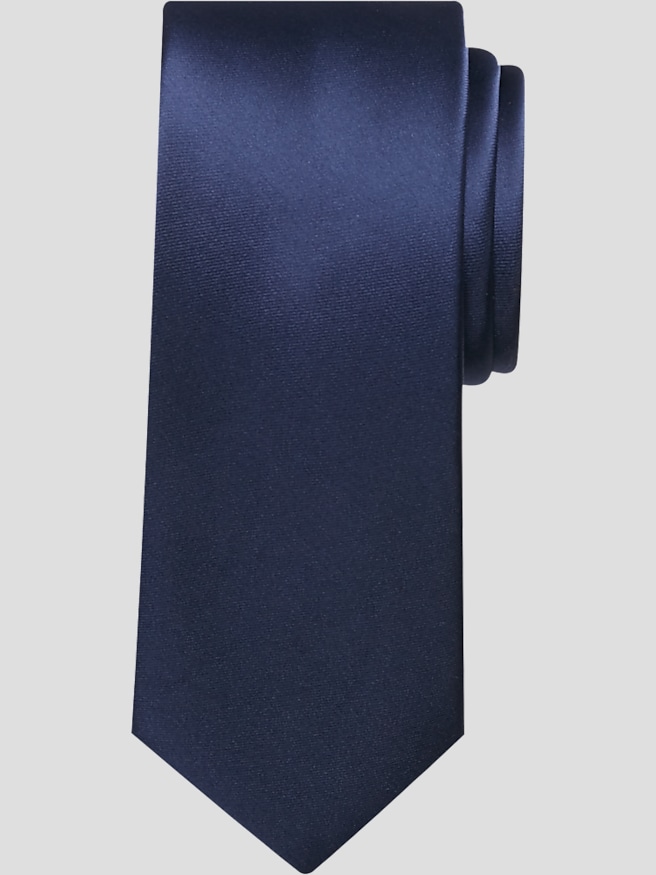
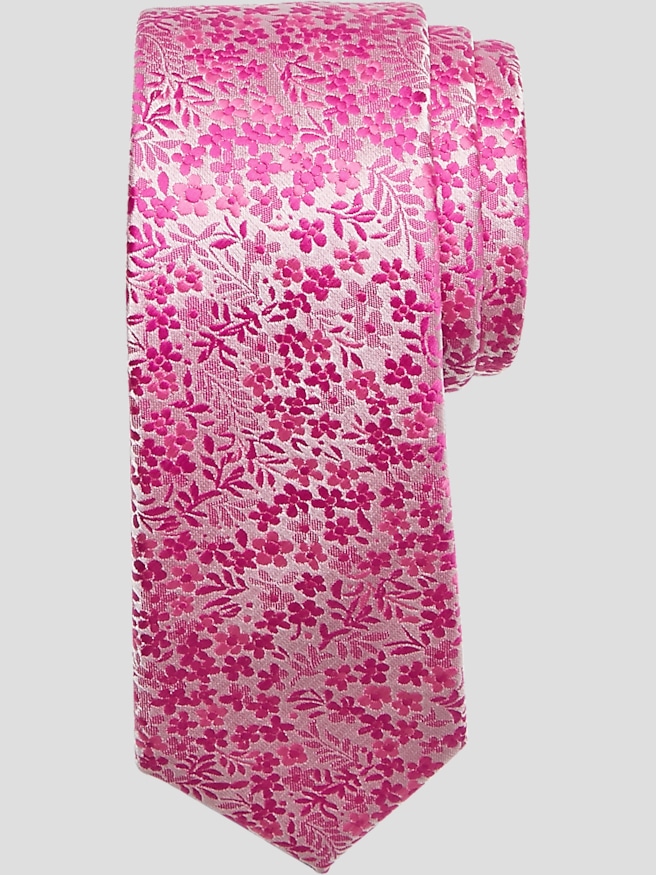
Materials give long neckties much of their character, affecting the way they drape, reflect light, and hold a knot. Silk is a traditional choice for its smooth feel and fluid movement, with finishes ranging from a soft glow to a more pronounced sheen. A tightly woven silk twill often has a subtle diagonal texture, while a textured weave brings visual depth without relying on a bold print. Wool and wool-blend ties tend to have a softer, more matte appearance that works naturally with textured tailoring. Cotton and linen can create a relaxed surface, though their tendency to crease may be more noticeable than that of some other fabrics. Polyester and blended fabrics can offer resilience through repeated wear, but their feel, finish, and care requirements vary with the construction. The lining inside a tie also influences its body: a heavily lined style may form a substantial knot, while a lighter construction can drape with less bulk. For a long tie, that balance is particularly important because the extra fabric should hang cleanly rather than feel heavy at the neck. Color and pattern help establish the intended mood. Navy, burgundy, charcoal, and other restrained shades can move easily between business meetings, interviews, and dressier gatherings. A small geometric pattern adds interest at conversational distance, while a stripe creates a stronger line against a solid shirt. With a checked shirt, a larger, clearly defined tie pattern can be easier on the eye than another pattern of nearly identical scale. A smooth, understated tie can complement a formal suit, while a more tactile fabric often feels at home with a sport coat. Wedding attire may call for a particular color or finish, but the invitation and dress code remain important; some formal occasions call for a bow tie instead. Across these settings, the most useful long necktie is one whose length, texture, and proportions suit both the wearer and the clothing around it.
Everyday comfort and lasting appearance depend on more than the measurements on a label. A well-proportioned long tie should allow a comfortable knot at the collar while leaving enough length for the wide blade to fall correctly. The narrow tail ideally sits behind the front blade and passes through the keeper loop when the proportions allow. If the tail repeatedly hangs below the front, a length or knot adjustment may create a cleaner finish than hiding excess fabric inside the shirt. Smooth edges, even stitching, and a blade that hangs without obvious twisting are useful signs of careful construction. Durability also depends on handling, particularly at the knot, where fabric experiences the most repeated pressure. Gently untying a tie after wear, rather than pulling the narrow end through a tightened knot, helps reduce strain on the fabric and stitching. Leaving it knotted between occasions can set creases and make the surface look tired. Woven ties can usually rest on a smooth tie rack or lie loosely rolled, while knitted styles are generally better stored flat to avoid stretching. Care labels should determine cleaning methods, since silk, wool, linen, and synthetic blends do not all respond the same way to water, heat, or cleaning products. Aggressive rubbing can spread a stain or damage the finish, and pressing directly onto a tie can flatten its texture or leave unwanted shine. These practical details matter for someone who wears a tie several days a week as much as for someone dressing for an occasional ceremony. Long neckties can also make thoughtful gifts for a father, partner, graduate, or colleague beginning a role that calls for tailored clothing. Knowing the recipient’s usual tie length, favored knot, and most-worn suit colors makes that choice more personal. A familiar color in the right proportions is often more useful than a striking pattern that rarely leaves the closet. Whether worn for a presentation, a wedding, or an important dinner, a long necktie brings its greatest value through an easy, well-balanced fit.