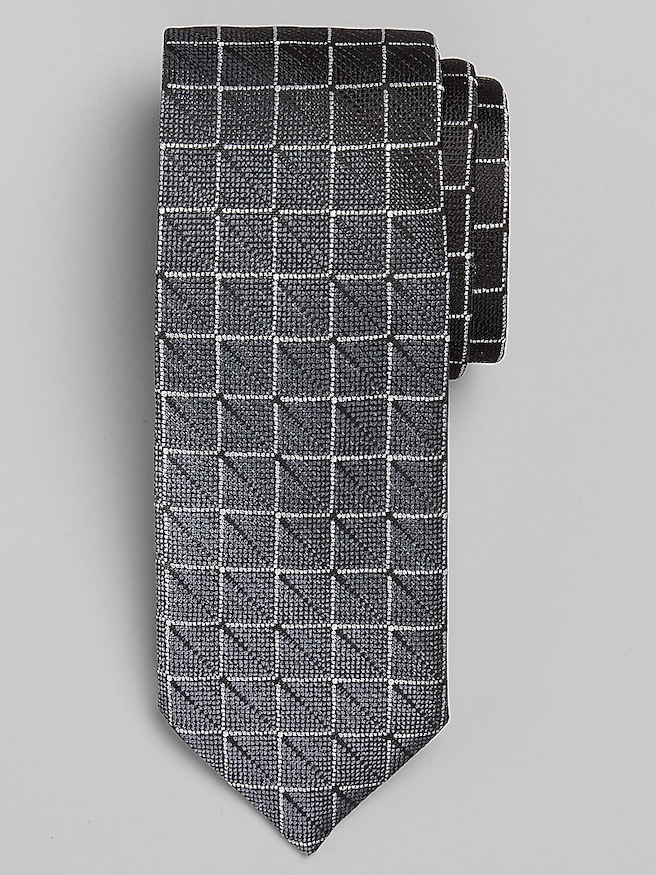
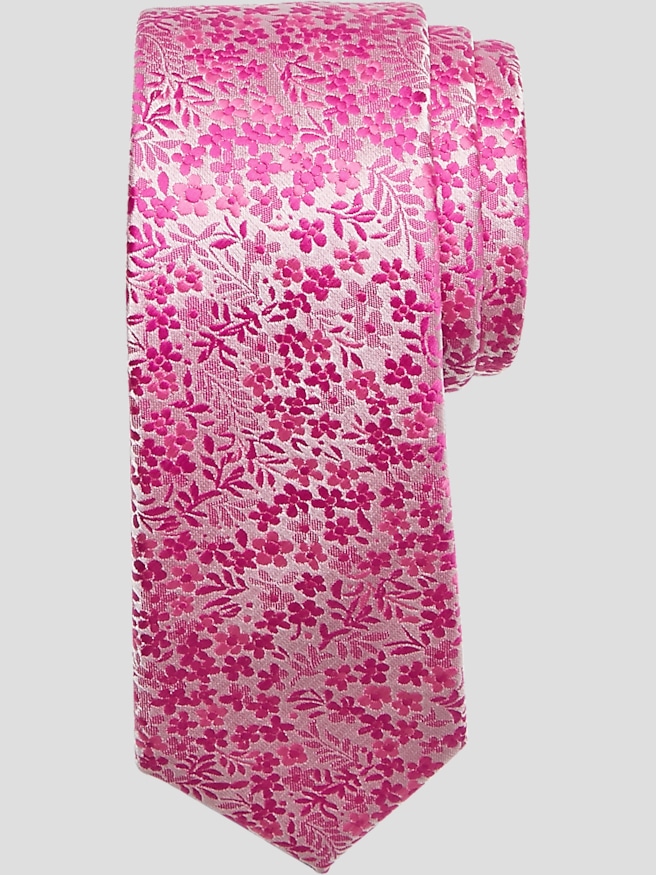
Men’s long ties bring balance to a dressed-up look when a standard-length necktie leaves the front blade sitting too high. Extra-long neckties commonly measure about 63 to 67 inches, compared with approximately 57 to 58 inches for many standard ties, though measurements vary by maker. That added length gives taller frames, longer torsos, and larger neck sizes more room to achieve a comfortable knot and a properly positioned tip. Men around 6 feet 1 inch or taller often benefit from extra length, as do those with neck measurements near 18 inches or above, but height alone does not determine the best fit. Trouser rise, torso proportions, collar size, and the amount of fabric used in the knot all affect where a tie finishes. A well-proportioned tie generally reaches the waistband, with the front tip near the middle of the belt buckle when a belt is worn. The result should look intentional rather than stretched to its limit, with enough of the narrow blade remaining to sit securely behind the front. For someone whose usual tie barely reaches the waistband after forming a full Windsor, a longer version can make that same knot practical without sacrificing the finished length. Extra length does not necessarily mean extra width: a long tie can have a slim, moderate, or broad blade, allowing its proportions to suit the wearer’s frame, shirt collar, and jacket lapels. A moderately wide tie often pairs naturally with classic tailoring, while a narrower shape complements slimmer lapels and a smaller collar opening. The benefit is especially noticeable in everyday situations—a presentation where the jacket stays unbuttoned, a wedding portrait, or a business dinner—when the full line of the tie remains visible. Rather than drawing attention to its dimensions, a well-fitting long necktie gives the shirt, jacket, and trousers a more cohesive appearance. It also leaves room to tie a familiar knot without repeatedly tightening and restarting just to gain another inch.
Material gives a long tie much of its character, influencing how it drapes, how substantial the knot feels, and how the surface catches light. Silk can provide a fluid drape and clear color definition, with finishes ranging from smooth and lustrous to textured and understated. A finely woven silk tie looks crisp against a cotton dress shirt, while a more textured weave adds depth to a solid suit without relying on a bold print. Polyester and microfiber ties can offer consistent color and resilience in frequent rotation, although stain resistance and cleaning requirements depend on the particular fabric and finish. Wool brings a matte, softly textured appearance that works well with less glossy tailoring, and linen has a visibly textured surface with a more relaxed character. Blended fabrics combine qualities in varying proportions, so fiber content is only part of the picture. The lining, fabric weight, and construction also influence whether the blade hangs smoothly and whether the knot feels supple or bulky. A thick tie can produce a substantial knot even with a simple four-in-hand, while a lighter fabric may allow a larger knot without crowding the collar. For frequent wear, clean stitching, neatly finished edges, and a blade that hangs straight are useful signs of careful construction. The narrow-blade keeper helps maintain a tidy appearance, but it should not need to pull the tie out of alignment. Care matters just as much as construction over time. Gently untying the knot after wear, rather than dragging the narrow end through a tightened knot, reduces unnecessary strain on the fabric and seams. Allowing the tie to rest hanging smoothly or loosely rolled helps wrinkles relax without creating sharp folds. Cleaning should follow the care label; many silk and wool ties require professional attention, and direct heat can flatten texture or leave shine. A spill calls for gentle blotting rather than rubbing, which can spread the mark or roughen the surface. These habits help preserve the shape and finish that make a longer tie look polished through repeated wear.
Color and pattern make men’s extra-long ties useful across a broad range of wardrobes and occasions. A solid navy or burgundy tie creates a clear focal point against a white or pale blue shirt, making it a dependable choice for interviews, client meetings, and other settings where a composed appearance matters. Subtle dots, small geometric motifs, and restrained stripes introduce detail while remaining easy to coordinate with familiar tailoring. Pattern scale is often more important than matching every color precisely: a fine shirt stripe can sit comfortably behind a larger tie motif, while two patterns of nearly identical size may compete. With a checked jacket, a solid or quietly textured tie lets the tailoring remain prominent. With a plain suit, paisley, floral motifs, or a more expressive geometric pattern can provide personality without changing the formality of the entire outfit. For more distinctive pattern ideas, Mens Unique Ties offers another point of inspiration, while length remains an essential fit consideration for any necktie. Long ties are suited to wedding parties, graduations, religious gatherings, milestone celebrations, and workplaces where a shirt and jacket are part of the routine. At a wedding, coordinating a tie with the event’s color palette can create continuity without requiring an exact match to a pocket square. A guest may prefer a subtle woven pattern, while someone giving a toast might choose a richer solid color that reads clearly in photographs. Dress codes still matter; a long necktie is not automatically a substitute for the bow tie traditionally associated with black-tie attire. As a gift, an extra-long tie can be especially thoughtful for a tall graduate starting a professional wardrobe, a father who regularly wears tailored clothing, or a partner who struggles with standard lengths. Knowing the recipient’s usual tie measurement, preferred width, and most-worn shirt colors makes the choice more personal. The strongest addition is one that feels natural with existing clothes, forms a comfortable knot, and reaches the right place without compromise.