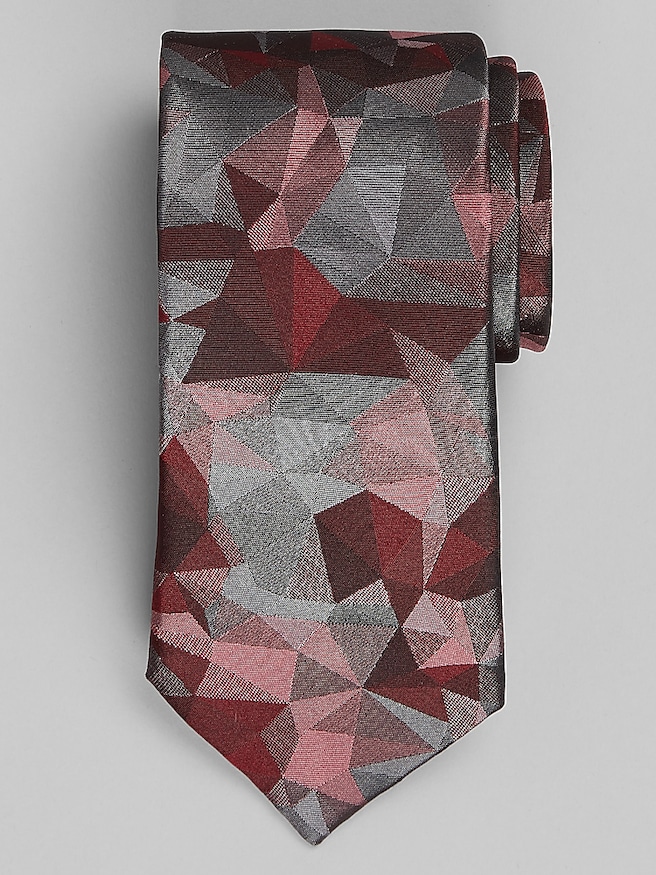
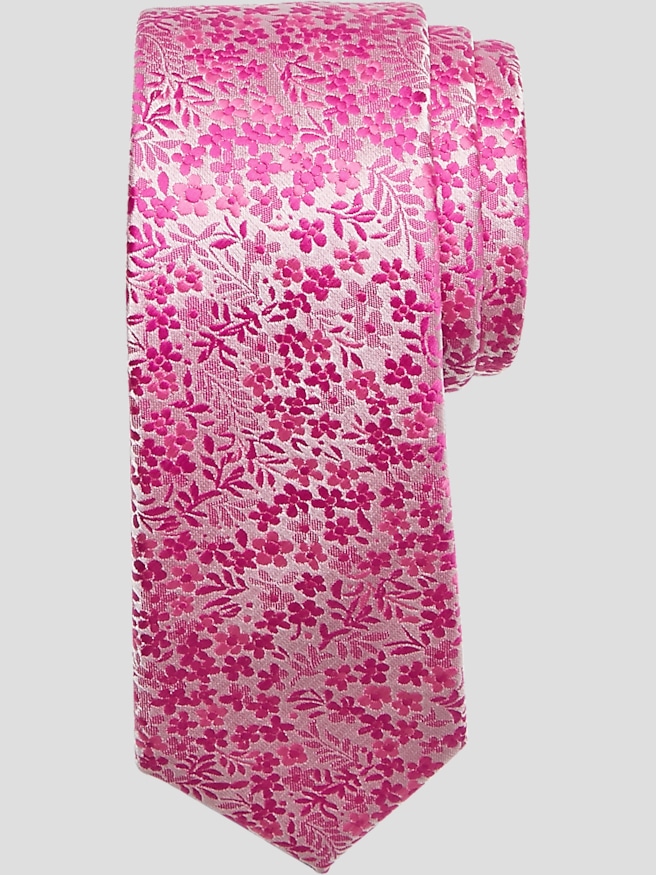
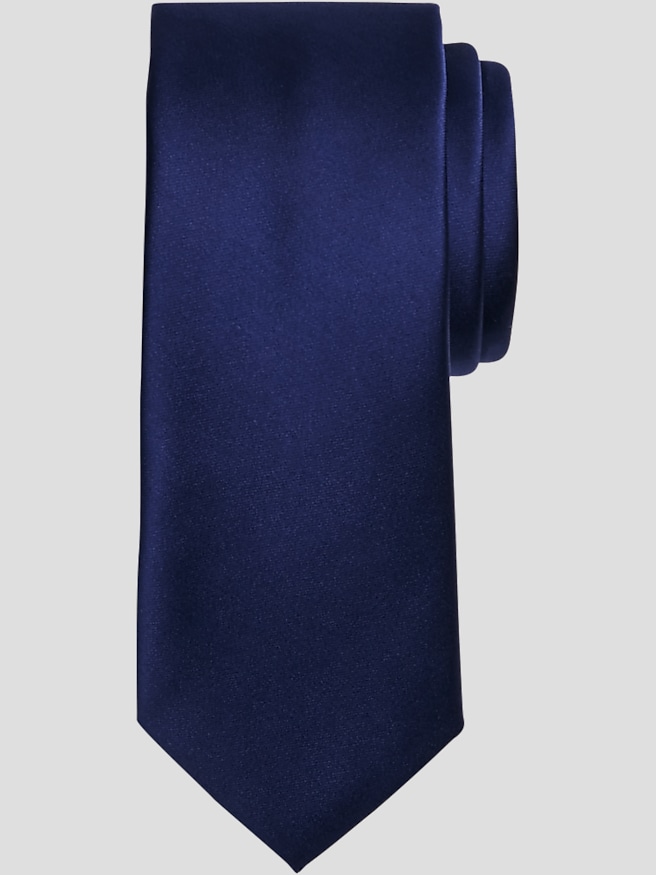
Unique men's ties stand out through distinctive patterns, unexpected color combinations, or fabric textures that give familiar tailoring a more personal character. A tie does not need an oversized motif or a loud color to feel unusual; a finely woven geometric design, an irregular stripe, or a richly textured surface can be just as expressive. Artistic prints bring movement and color to a plain shirt, while botanical details, animal motifs, and designs inspired by science or astronomy can reflect an interest without becoming the entire focus of an outfit. The scale of the design makes a noticeable difference. Small, closely spaced motifs often read as texture from across a room, revealing their detail only in conversation. Larger prints make a stronger statement and usually look most balanced against a solid shirt and a restrained jacket. For an office presentation, a deep blue tie with an understated pattern can introduce personality while keeping the overall appearance composed. At a wedding or celebratory dinner, a more expressive design can become the focal point of a suit, particularly when its colors connect with the shirt or jacket. A useful approach is to repeat one color already present in the outfit rather than trying to match every shade exactly. Burgundy against a pale blue shirt, for example, creates contrast without looking disconnected, while a tonal design can add depth to a dark suit. Patterned shirts call for a little more separation: a small check generally works better with a larger tie motif than with another tightly packed pattern of the same scale. The appeal of distinctive neckwear is that it can shift the character of clothing already in a wardrobe. The same suit can feel businesslike with a restrained woven pattern, more relaxed with a textured knit, or more expressive with an artistic print. That flexibility makes unusual ties useful for men who enjoy dressing with intention but prefer their personality to show through a carefully chosen detail rather than an entirely unconventional outfit.
Material contributes as much to a tie's character as its pattern. Silk is valued for its drape, smooth hand, and ability to carry both rich color and intricate detail. Printed silk typically has a relatively smooth surface, while woven silk can create raised motifs and subtle changes in sheen as the fabric catches the light. Neither finish is automatically more distinctive; the effect depends on the relationship between the design, the fabric, and the rest of the outfit. Wool ties offer a softer, often more matte appearance that pairs naturally with textured tailoring. Linen and cotton can have visible surface variation and a less polished finish, making them appealing when a suit or sport coat calls for an easygoing accent. Those fibers may also show creases more readily, so their relaxed character comes with different care considerations. Knit ties introduce another kind of dimension through their open texture and, in many designs, a squared end. Polyester and blended fabrics can hold color well and offer resilience, although their feel and drape depend on the weave and construction. Beyond the fiber label, a well-made tie should feel balanced rather than stiff, with edges that lie neatly and a body that hangs without persistent twisting. The inner lining influences fullness and helps the tie recover its shape after being knotted. Width and length matter just as much as surface detail. A tie generally looks most proportionate when its width relates to the jacket lapels and the wearer's frame, rather than following a narrow or wide silhouette in isolation. Its tip should reach approximately the waistband when tied, with the narrow end kept discreetly behind it. Taller men or those who prefer fuller knots may need additional length. A compact four-in-hand knot often complements a textured or thicker fabric, while a fuller knot needs enough space within the shirt collar. These proportions allow an unusual pattern to look deliberate instead of distracting, keeping the attention on the design rather than on a knot that crowds the collar or a tie that falls noticeably short.
Distinctive ties can be everyday accents, occasion pieces, or thoughtful gifts, depending on how closely they connect with the wearer's routine and interests. Someone who wears a suit frequently may appreciate an understated design that brings variety to familiar shirt-and-jacket combinations. A musician, teacher, designer, or science enthusiast might enjoy a motif that nods to a personal interest, especially when the pattern remains subtle enough for professional settings. For a gift, the recipient's usual colors, preferred tie width, and comfort with bold designs are often more useful clues than the giver's own taste. A pattern that looks striking on its own becomes more meaningful when it works with clothing the recipient already enjoys wearing. Weddings offer another opportunity for personality, whether through a shared color palette or an individual detail that distinguishes the groom from the wedding party without disrupting the overall look. Business dinners, milestone celebrations, and performances can also suit expressive neckwear, while more solemn or highly conservative settings generally call for quieter choices. Care helps preserve both the appearance and the useful life of these pieces. Untying the knot after wear, rather than leaving it tightened, reduces persistent creasing and strain around the neck area. Most traditional woven ties can rest on a smooth tie rack or be loosely rolled; knit styles often benefit from storage that avoids prolonged stretching. Care labels should guide cleaning, since silk, wool, linen, and blended fabrics do not respond identically to moisture or heat. Rubbing a spill can spread the mark or damage the surface, and delicate fabrics may need professional attention. Direct ironing can flatten texture or create unwanted shine, so pressing also deserves caution. With thoughtful rotation and careful handling, distinctive neckwear can remain part of a wardrobe well beyond a single event. For a broader look at neckwear styles, explore Best Men's Ties. The most satisfying choice brings together personal expression, comfortable proportions, and enough versatility to feel at home whenever the occasion calls for a tie.