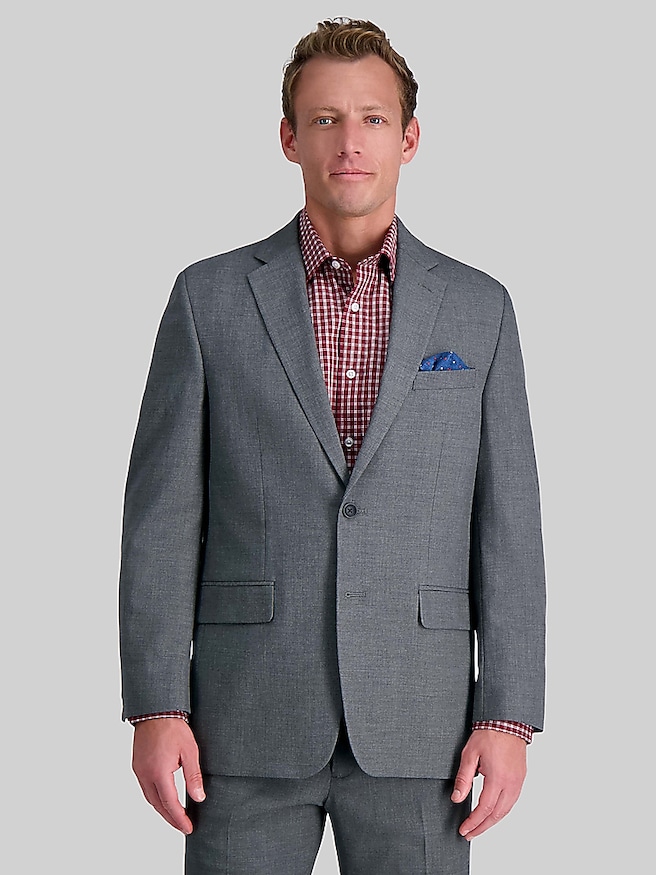
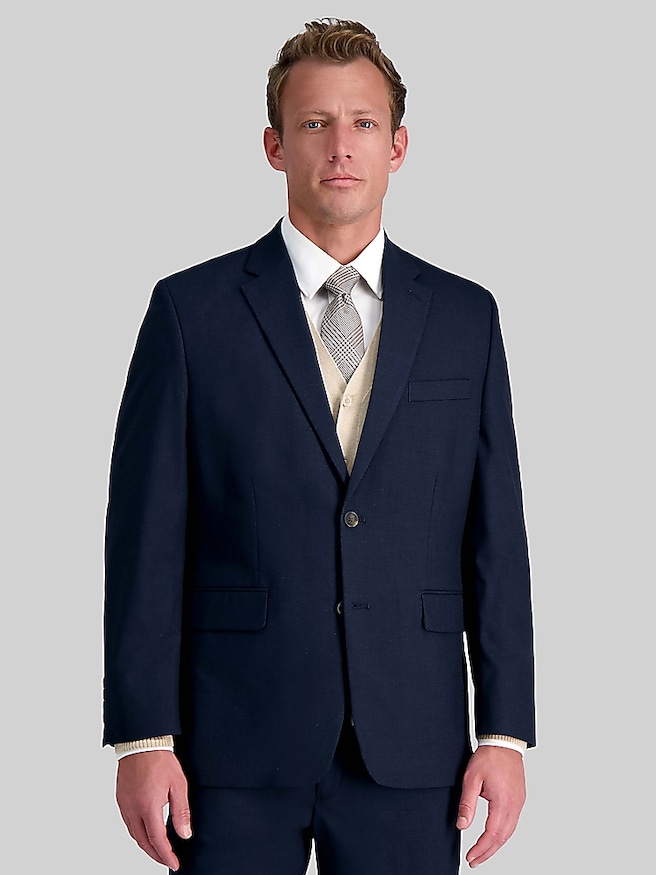
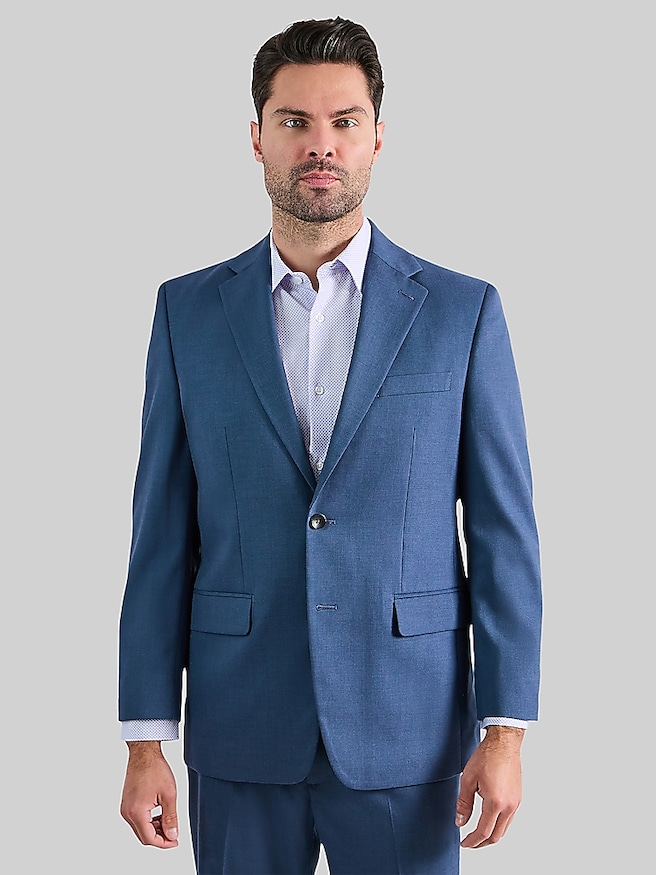
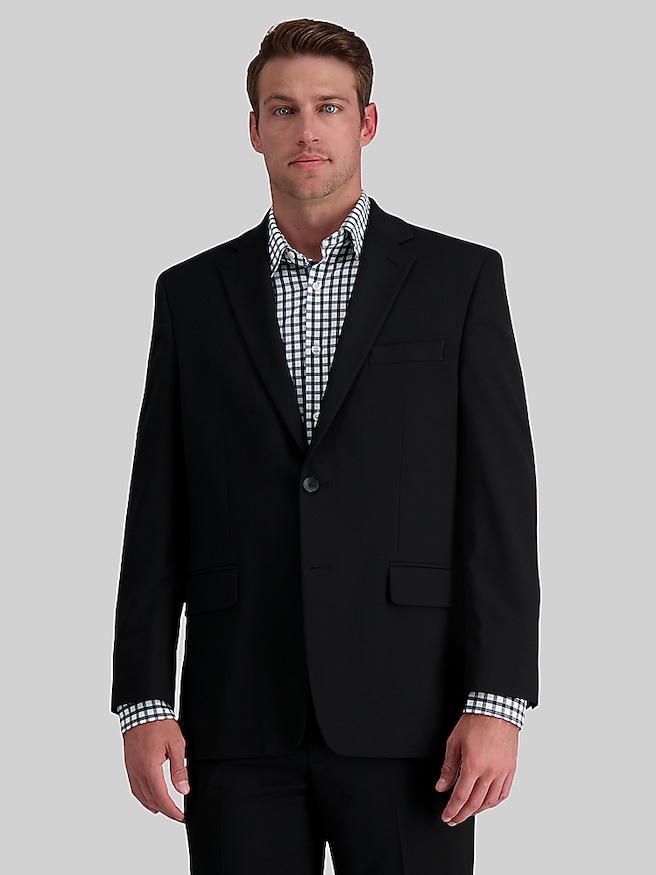
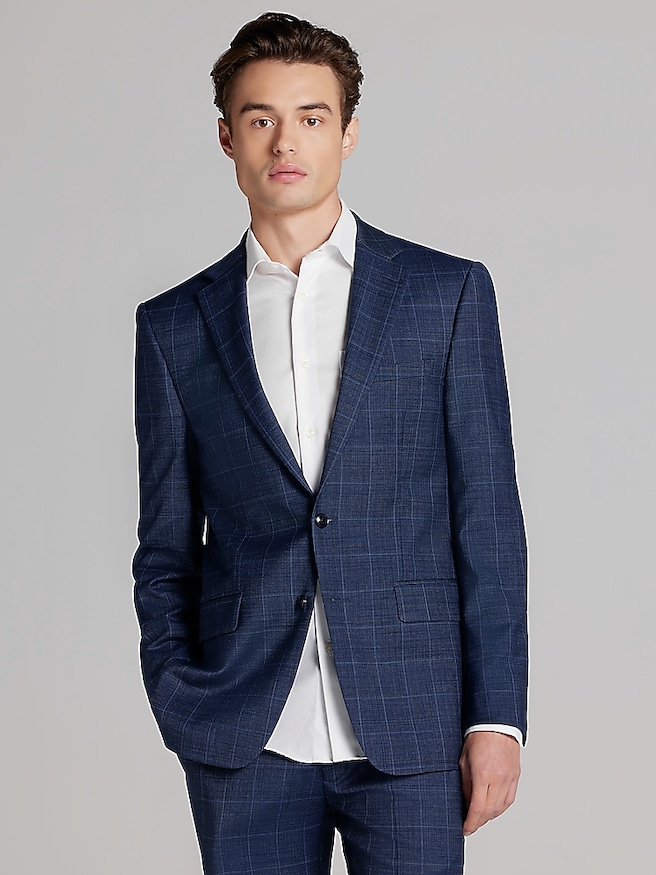
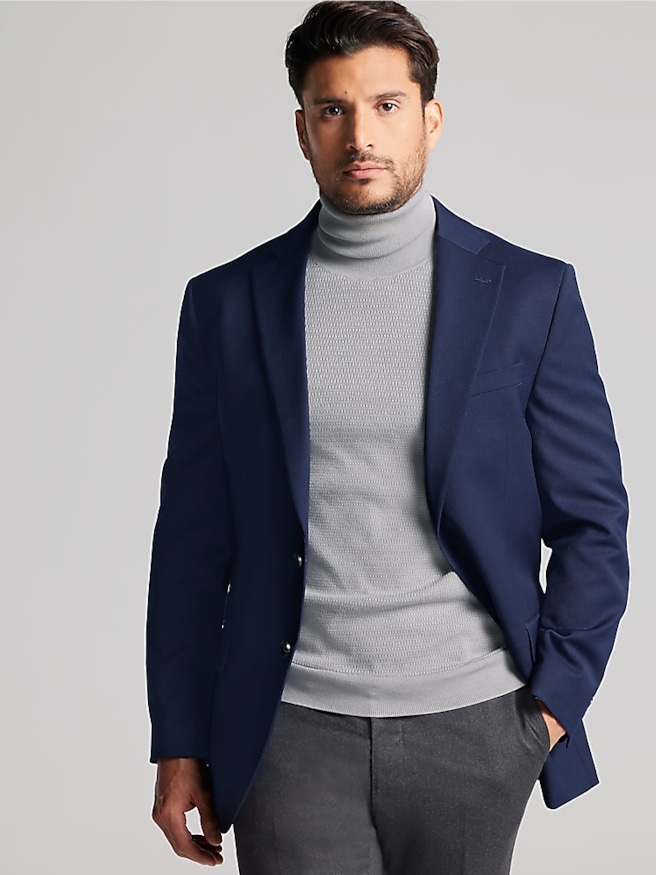
Second marriage wedding attire can be as formal, relaxed, traditional, or expressive as the celebration itself. A second marriage does not call for a particular color, a simpler outfit, or a less ceremonial approach; the setting, dress code, and couple’s preferences are more useful starting points. For a groom, that might mean a sharply tailored tuxedo for an evening ballroom ceremony, a navy or charcoal suit for a restaurant gathering, or coordinated separates for an intimate exchange of vows at home. The term describes clothing for another marriage ceremony, not necessarily a second outfit worn later at the reception. That distinction leaves room for attire that feels meaningful from the first photograph through the final toast, whether the occasion includes a large wedding party or only a few close friends. The strongest looks usually connect the formality of the clothing with the atmosphere of the day. Satin lapels and a bow tie suit a black-tie setting, while a textured sport coat and tailored trousers can feel more at ease beside a fireplace in a private dining room. A courthouse ceremony can still deserve a complete suit, polished shoes, and a carefully chosen tie; a small guest list does not make the moment less significant. Color offers another way to make the outfit personal without overwhelming it. Deep blue, charcoal, and medium gray provide versatile foundations, while brown, burgundy, or muted green accents can add warmth during the cooler months. Ivory or pale blue shirting brings a softer contrast than bright white, provided it complements the rest of the outfit and any coordinated wedding colors. For a broader view of ceremony-ready styling, the Wedding Ceremony Outfit page offers a related perspective on dressing for the vows. Second wedding attire works best when it reflects the person wearing it rather than assumptions about what another wedding should look like.
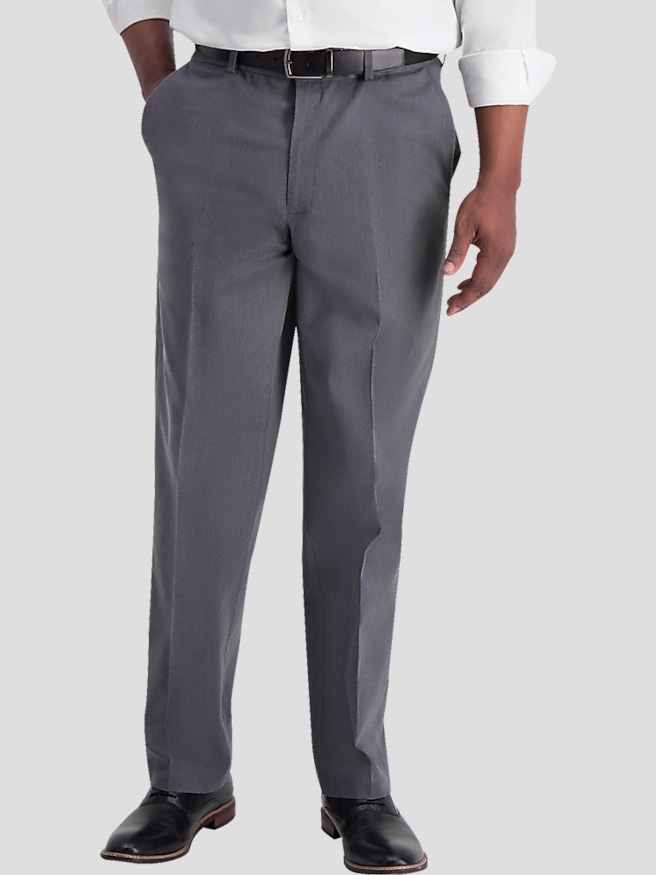
Fabric and construction shape how wedding clothing looks in photographs and how it feels over several hours of standing, sitting, greeting guests, and dancing. Wool suiting is a dependable choice because its natural resilience helps fabric recover from light creasing, and its breathability supports comfort across changing indoor temperatures. Fabric weight matters as much as fiber: a lighter wool can work well in a heated venue, while a more substantial weave may feel appropriate for an outdoor arrival followed by dinner indoors. Flannel brings a soft, matte texture to a cooler-weather celebration, although it generally reads less formal than smooth worsted wool. Velvet adds depth to an evening jacket, especially under warm lighting, but its plush surface calls for careful handling and attention to the care label. Blended fabrics may offer added stretch or easier maintenance, with performance depending on the fiber mix and construction rather than the label alone. A smooth lining can also help a jacket move comfortably over a dress shirt. Fit remains central across all of these materials. Jacket shoulders should lie cleanly without extending beyond the natural shoulder line, and the front should close without strong pulling around the button. Sleeves that reveal a modest edge of shirt cuff give the outfit definition, while trousers should sit securely at the waist and allow comfortable movement through the seat and thigh. A trim silhouette need not feel restrictive, and a roomier cut can still look precise when its proportions are balanced. Sitting through dinner, climbing a short flight of steps, and reaching forward for an embrace are useful measures of comfort. Trouser hems also deserve attention: excessive pooling can obscure polished footwear, while a clean break keeps the lower half of the outfit composed. Thoughtful alterations can make a greater visual impact than elaborate accessories, particularly when photographs capture the jacket from the side or show the full silhouette during the ceremony.
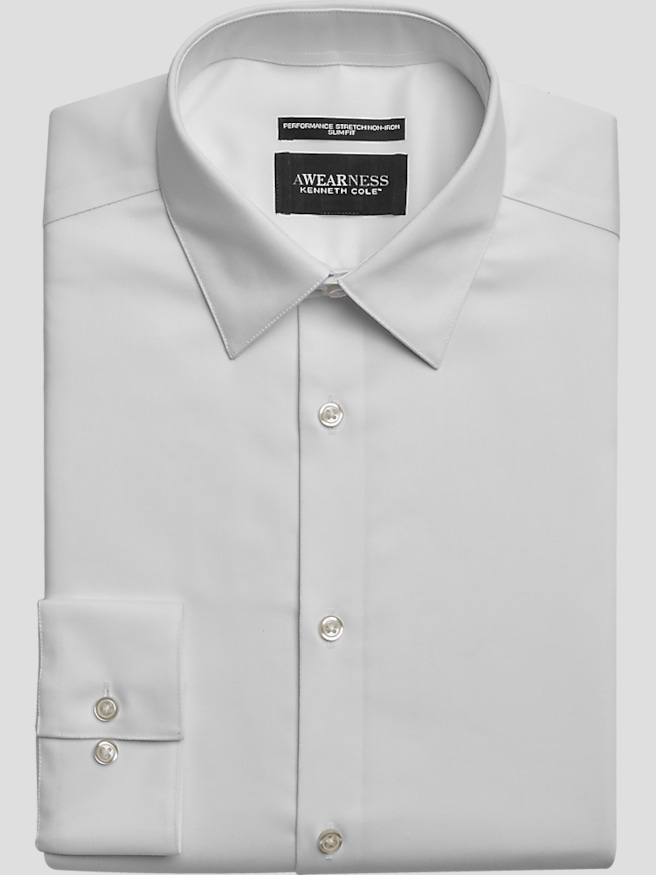
Shirts, shoes, and finishing touches bring second marriage wedding attire into focus without requiring every element to make a statement. A dress shirt with a collar that sits neatly beneath the jacket creates a clean frame for the face, and a tie knot should suit the collar opening rather than crowd it. For a conventional tuxedo look, a formal shirt, bow tie, and appropriate evening shoes maintain a consistent level of dress. With a suit, a silk tie can add quiet sheen, while a textured tie creates a softer effect for a daytime or intimate indoor celebration. A pocket square can echo one color in the outfit without duplicating the tie’s exact pattern. Personal details often carry particular meaning at a second wedding: familiar cuff links, a cherished watch, or a tie chosen with a partner can make an otherwise understated combination feel individual. Accessories may also make thoughtful gifts for a groom or wedding party member when they suit the recipient’s taste and the occasion’s dress code. For attendants, adult family members, and guests, coordinated formality generally matters more than identical clothing unless matching attire has been requested. Footwear should support the day’s actual movements, from standing on courthouse steps to crossing a courtyard or spending an hour on the dance floor. Leather dress shoes benefit from being worn briefly ahead of the event to check fit, along with socks that stay in place and provide comfortable coverage when seated. An overcoat that fits over the jacket can preserve both warmth and a finished appearance during outdoor photographs. After the celebration, proper care helps tailored clothing remain useful for anniversaries, formal dinners, and future weddings. Care labels should govern cleaning, especially for structured jackets and fabrics with distinctive finishes. Airing garments after wear, using supportive hangers, and addressing marks promptly can help preserve their appearance between professional cleanings. Shoes should dry naturally away from direct heat, with suitable care for their material. These practical details support an outfit that feels considered on the wedding day and remains a valued part of a wardrobe afterward.