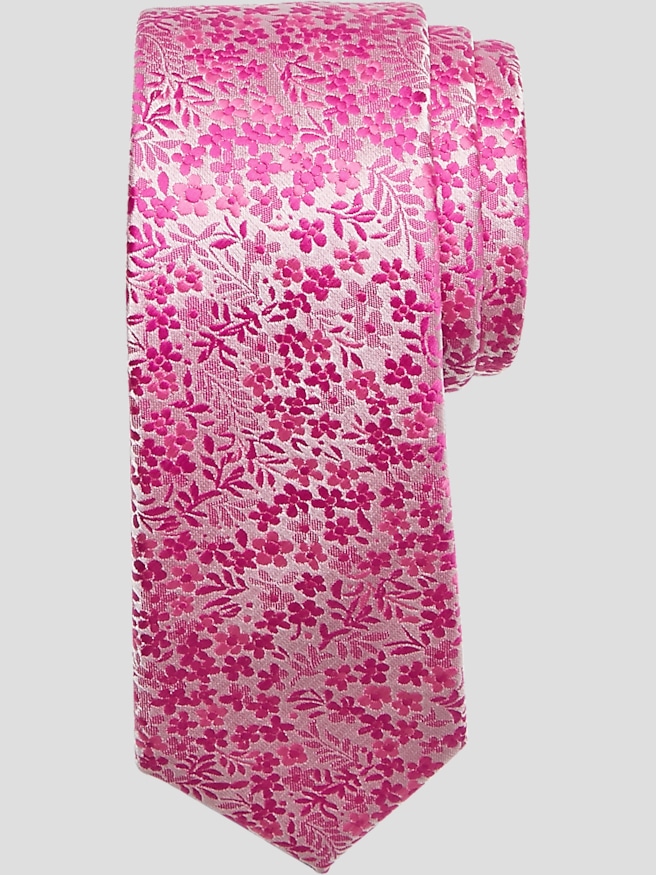
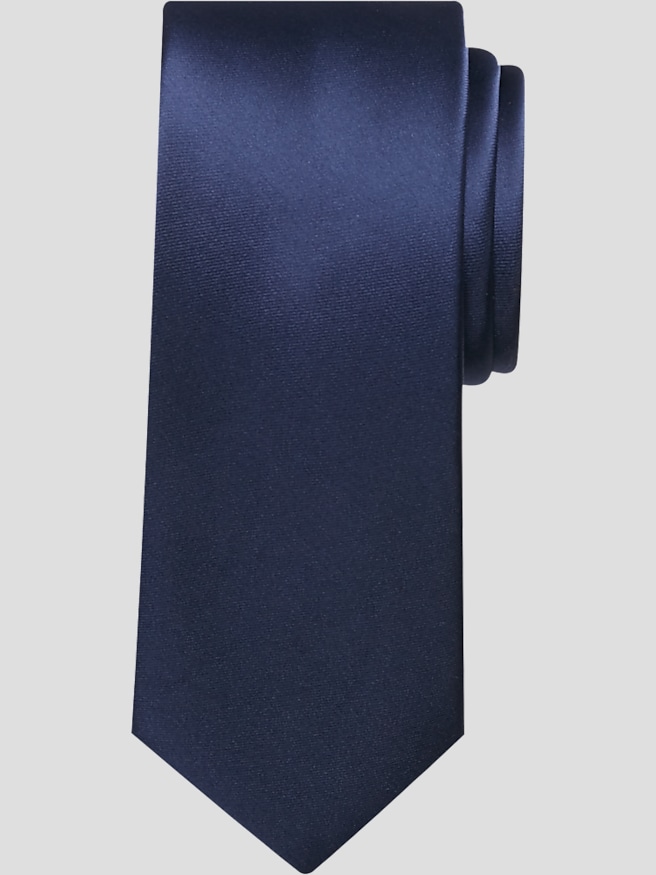
Seasonal ties reflect the time of year through fabric weight, texture, color, and pattern, while the occasion’s dress code determines how formal the neckwear should be. For late fall and winter occasions, textured weaves, deeper colors, and understated patterns can complement the heavier fabrics often found in tailored clothing. Burgundy, forest green, navy, chocolate brown, and charcoal offer a rich palette without requiring an obvious holiday motif. A small geometric pattern can feel appropriate at an office gathering, while a restrained plaid brings character to a family dinner or a daytime celebration. Silk remains useful across seasons because its appearance varies considerably by weave: a smooth finish catches light, while a textured surface gives the same color a quieter effect. Wool ties tend to have a softer, more matte appearance that sits comfortably beside tweed, flannel, and other visibly textured tailoring. Knitted ties introduce another option, with an open surface and flexible construction that generally read as less formal than smooth woven silk. Fabric weight matters most in relation to the rest of the outfit; a substantial tie can balance a heavier jacket, but it should still form a comfortable knot beneath the shirt collar. The tie itself contributes little warmth, so its seasonal role is primarily visual and tactile. At a Thanksgiving dinner, a muted paisley or earthy stripe can add interest without making the outfit feel ceremonial. Christmas gatherings may suit deep red or green accents, though either color can work well beyond the holiday when the pattern stays subtle. For a New Year’s Eve celebration, a dark silk tie with a gentle sheen can complement a dressy suit, provided the invitation does not specify black tie. That distinction matters: a festive necktie does not replace the bow tie and other elements expected with a traditional tuxedo. Seasonal character works best when it supports the setting rather than competing with it, whether the occasion calls for understated business attire or a more expressive evening look.
The proportions of a seasonal tie have as much influence on the finished outfit as its color. Tie width generally looks most balanced when it relates to the jacket’s lapels and the wearer’s frame, rather than following an isolated measurement. A narrower lapel often pairs naturally with a slimmer tie, while broader lapels can support more width. Length should allow the tip to finish around the waistband, with the narrow end kept out of sight rather than extending below the front blade. Taller wearers or those who prefer fuller knots may need additional length to achieve that balance. Collar shape also plays a role: a compact four-in-hand knot often works beneath a narrower collar, while a wider spread may accommodate a fuller knot. Thick wool or heavily textured fabric can create considerable volume, so a simpler knot may sit more cleanly than one built with multiple wraps. A small dimple beneath the knot adds depth, but the collar should close comfortably without bunching or pulling. Color coordination is often easiest when the tie echoes one shade already present in the shirt, jacket, or trousers. Coordinating neckwear with Seasonal Pants can bring the outfit together through shared undertones, such as warm brown with burgundy or cool gray with deep blue. The pieces do not need to match exactly; a little separation helps each fabric retain its character. A navy tie against a pale blue shirt creates a different effect from that same tie against crisp white, especially beneath a charcoal jacket. Pattern scale deserves similar attention. A small check shirt can work with a broader stripe or larger paisley because the designs remain visually distinct. When the jacket already has a pronounced plaid, a solid or subtly textured tie gives the eye somewhere to rest. These details help seasonal neckwear move between client meetings, dinner reservations, winter weddings, and family photographs without looking overly themed.
Construction and care determine how well a tie holds its shape through repeated wear. The outer fabric provides the visible finish, while the lining influences body, drape, and the way the knot forms. A tie should hang smoothly, without twisting, and recover reasonably well after being untied and allowed to rest. Silk offers a refined appearance but can snag on rough surfaces and react poorly to spills; wool may develop surface fuzz with friction, while polyester and blended fabrics vary in feel, sheen, and care requirements. No single fiber guarantees durability, and a tightly woven fabric can behave differently from a loose knit made with the same material. Following the care label is more reliable than assuming every tie can be treated alike. After wearing, reversing the steps of the knot is gentler on the fabric than pulling the narrow end straight through. Woven ties can usually rest on a suitable hanger, while knitted ties are often better stored flat to avoid stretching. For travel, a tie case or a loose roll helps limit hard creases; pressing a tie directly with a hot iron can flatten its texture or leave an unwanted shine. A spill calls for gentle blotting rather than rubbing, and delicate fabrics may need attention from a cleaner experienced with neckwear. Thoughtful handling is especially useful for ties worn repeatedly through business events and celebrations. Seasonal ties also make practical gifts for men who regularly wear tailored clothing, as well as graduates building a professional wardrobe or relatives who enjoy dressing for special dinners. A recipient’s usual shirts and jackets offer better clues than an isolated favorite color: someone who wears textured sport coats may appreciate a matte weave, while a frequent suit wearer may get more use from restrained silk patterns. Subtle seasonal colors can continue to work after a particular celebration has passed, giving the gift a useful place in an established wardrobe rather than limiting it to one date on the calendar.