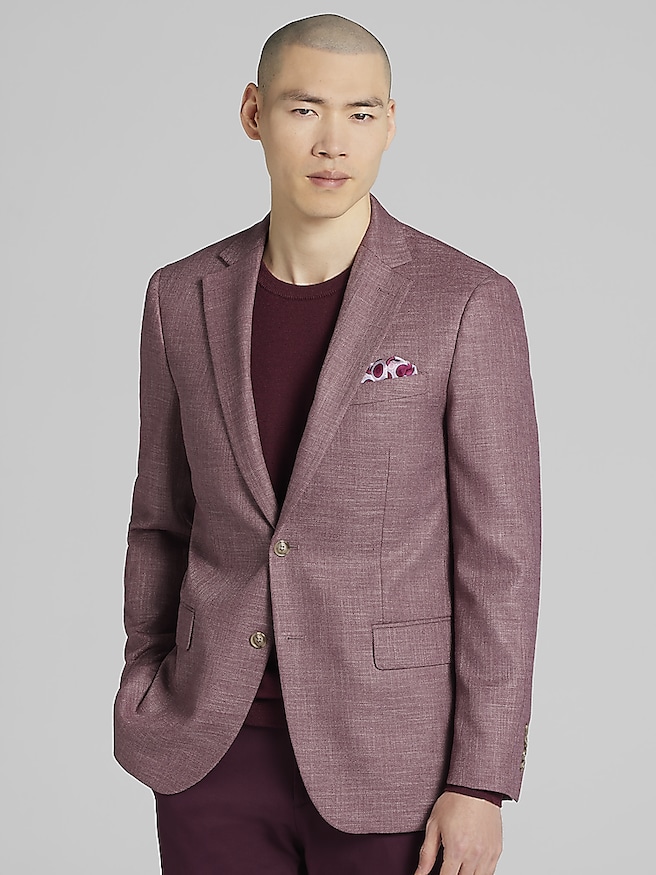
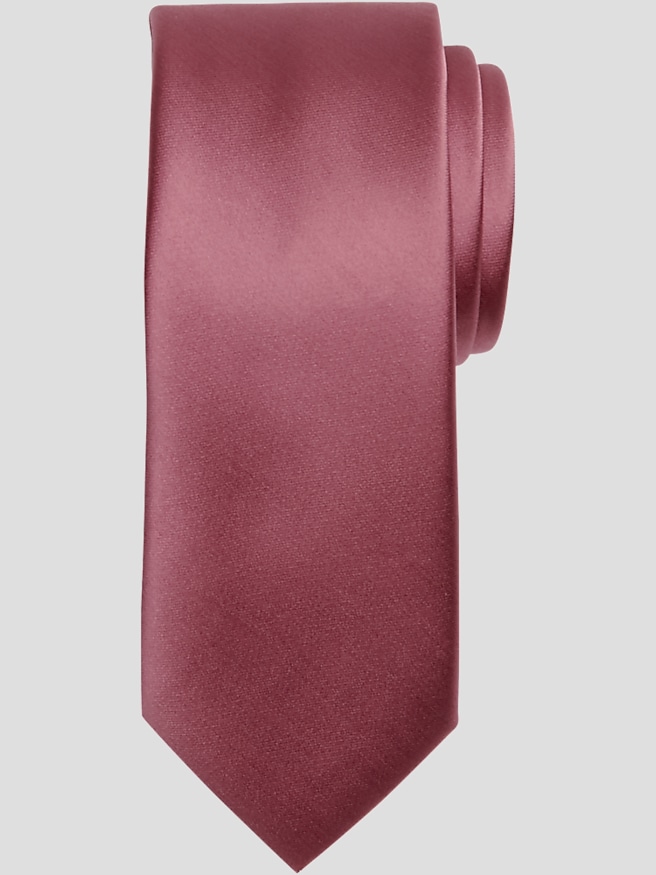
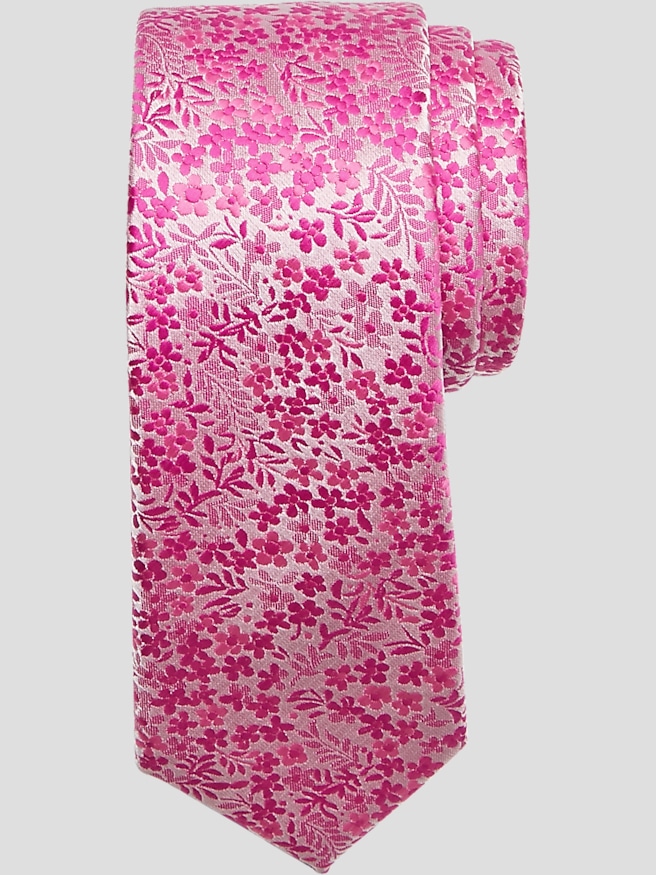
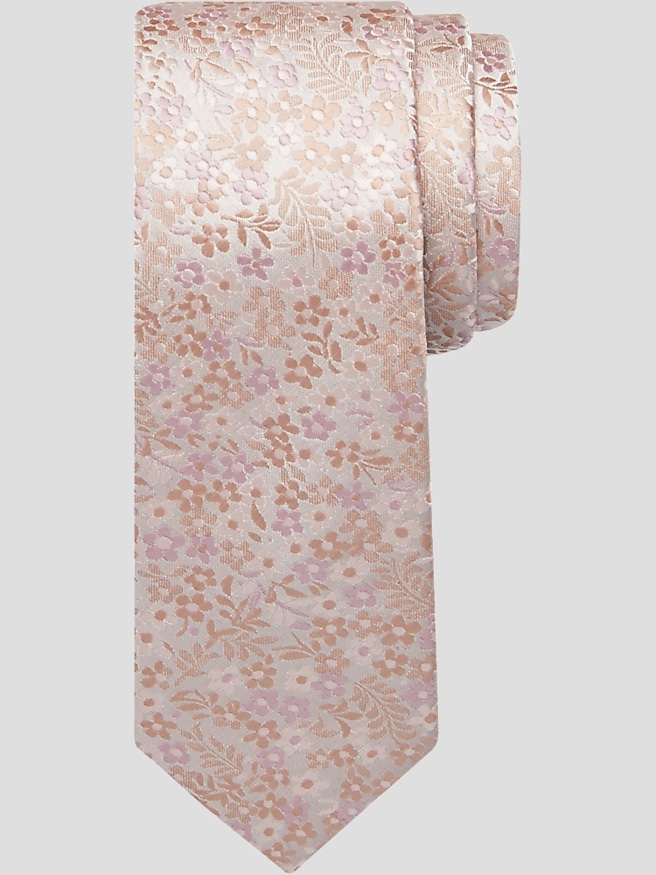
Rose ties bring a softer, more expressive color story to men’s formalwear and occasion dressing. Their shades can range from pale blush and dusty rose to rich berry, muted mauve, and deeper red with warm floral undertones, making them easy to adapt to everything from a relaxed daytime ceremony to an evening reception. In this collection, “rose ties” refers to men’s neckwear designed for fashion and formal styling, rather than the soft garden ties used to train climbing roses. A rose-colored tie can add just enough personality to a classic suit without overwhelming the rest of an outfit, especially when paired with a crisp white, ivory, light blue, or subtly patterned dress shirt. Against charcoal or navy tailoring, the color feels polished and romantic; with a tan, light gray, or brown suit, it creates a warmer look that works beautifully during the cooler months. Rose ties are especially popular for weddings, proms, dances, date nights, engagement celebrations, family portraits, and other occasions where traditional menswear benefits from a touch of color. They also make thoughtful gifts for a son, partner, brother, or friend preparing for a milestone event. A tie chosen in a shade that complements the wearer’s favorite suit can become part of a meaningful outfit rather than an accessory worn only once, carrying the memory of a ceremony, formal dinner, or evening spent celebrating with family and friends.
When selecting a rose tie, begin with the overall formality of the occasion and the color of the suit, shirt, and accessories already in the wardrobe. A smooth, understated finish often suits business events and refined ceremonies, while a slight sheen or more dimensional texture can bring extra presence to eveningwear. Satin-like surfaces reflect light and pair naturally with formal tuxedo-inspired styling, whereas matte woven fabrics tend to look relaxed and versatile with wool, cotton, linen blends, and textured jackets. Width is another practical consideration. A standard-width tie generally offers the easiest balance with modern and traditional suit lapels, while a slimmer profile can feel youthful with a narrow-cut jacket and a broader style can complement a stronger shoulder line or classic tailoring. The wearer’s height and build matter as well; the tie should look proportionate and reach near the waistband or belt area when tied. For a four-in-hand knot, rose ties can create a slightly casual, gently asymmetrical finish. A half-Windsor gives a fuller shape and a more formal impression, particularly with a spread collar, while a simple Windsor can suit wider collars and traditional dress shirts. Pay attention to the tie’s length, lining, and construction so it hangs cleanly and holds its shape through a long ceremony, photographs, dinner, and dancing. A well-made tie typically feels smooth in the hand, forms a neat knot without excessive bulk, and recovers well after being loosened. Fabric care is important, too: untie the knot instead of pulling the tie over the head, then allow it to hang or roll loosely to help prevent permanent creasing. These small habits keep the color and drape looking polished for future occasions.
Rose neckwear is easy to coordinate when the surrounding details are kept intentional. For a wedding party, a rose tie can echo flowers, invitations, pocket squares, or other accents without requiring every element to match exactly. Pairing the tie with a white shirt creates the clearest contrast and lets the rose shade take center stage, while a pale blue shirt gives the outfit a cooler, more dimensional appearance. A light pink shirt can work when its tone is noticeably lighter or more subdued than the tie; matching identical pinks too closely may make the outfit look flat. Patterned shirts should be chosen carefully, with one pattern serving as the focal point and the other kept quiet. A solid rose tie can calm a finely striped shirt, while a restrained floral or geometric pattern can add interest to a solid shirt and suit. Pocket squares do not need to duplicate the tie, though they should share a related color or level of formality. White linen, soft ivory, or a subtle rose accent can finish the look without appearing overly coordinated. Brown or burgundy leather accessories bring warmth, while black shoes and belts create a sharper, more formal effect. Men dressing for prom can explore rose ties as a way to distinguish a dark suit while maintaining a clean, age-appropriate appearance; browse Rose Pink Prom Ties for another color direction within the same romantic palette. Whether selected for a formal celebration, a seasonal family gathering, or a gift for someone building his first collection of occasion accessories, a rose tie offers an approachable way to make classic menswear feel personal. During the transition from warmer days into cooler weather, its adaptable color works with lighter tailoring, textured jackets, deep neutrals, and layered formal looks, giving the wearer plenty of opportunities to put it to use.