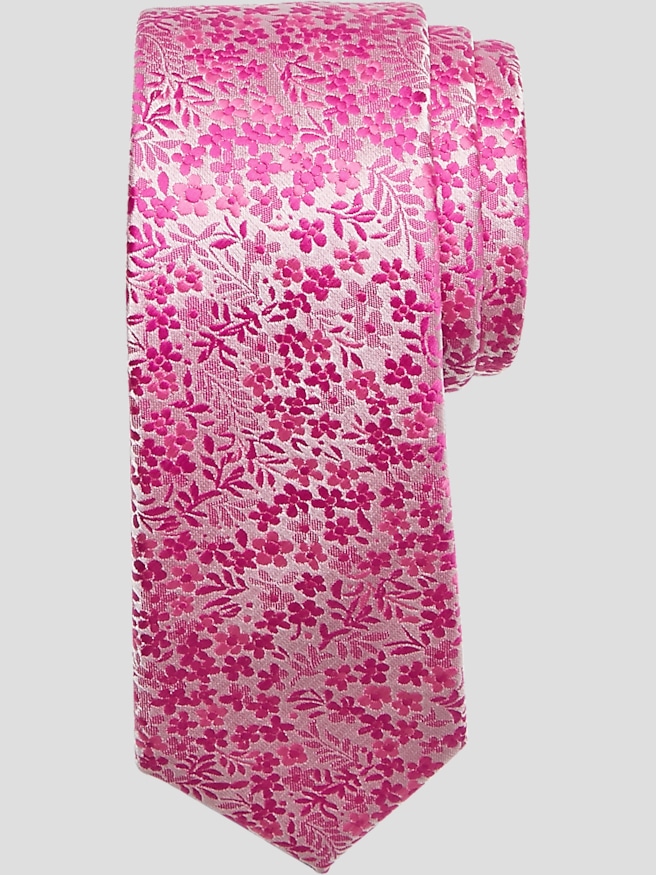
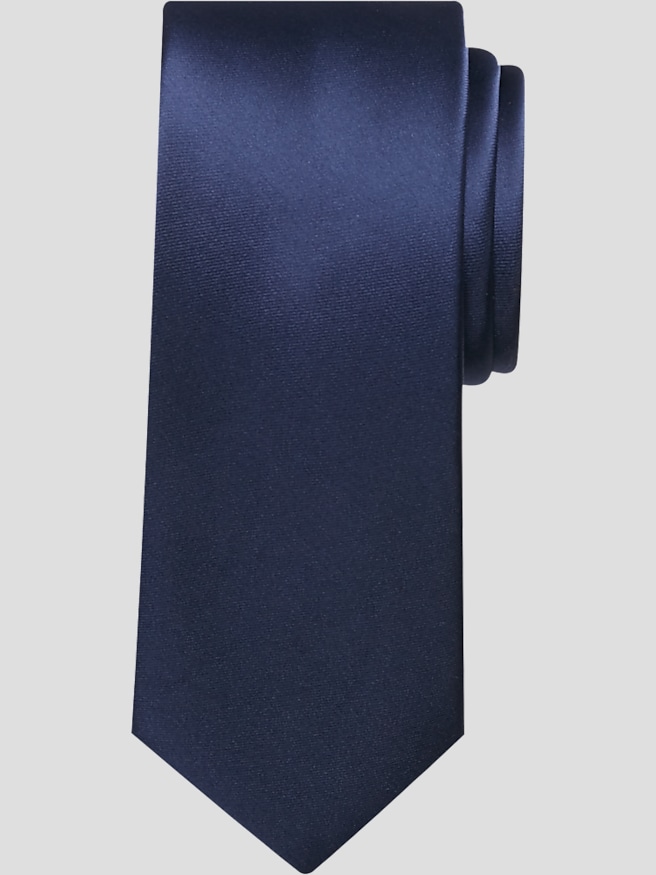
Poppy ties bring the color or shape of the poppy flower into neckwear, from solid poppy-red designs to floral patterns with small scattered blossoms or larger, more expressive motifs. Some poppy designs also carry a meaning of remembrance, while others are simply a way to introduce color and botanical detail into a tailored outfit. Poppy red generally describes a vivid red with a warm, sometimes orange-leaning character, although the exact shade depends on the fabric and design. That distinction matters when pairing a tie with a shirt and jacket: a clear, bright red can look crisp against white, while a deeper red can sit more quietly against pale blue or gray. A navy suit, white shirt, and poppy-red tie make a straightforward combination for a wedding guest, an important presentation, or a dressy dinner. Charcoal provides a more restrained background, especially when the tie has a fine texture rather than a glossy finish. Floral poppy ties offer another approach, with the background color often doing as much work as the flowers themselves. A navy ground with small red blossoms can read as a subtle pattern from a distance, while oversized flowers on a light background create a stronger focal point. For a workplace with a conservative dress code, a smaller repeat and limited color palette generally blend more easily with familiar tailoring. For a celebration, a bolder floral can add personality without requiring a brightly colored suit. Pattern scale helps keep the outfit balanced: a poppy print usually sits comfortably against a solid shirt, and it can also work with a fine stripe when the two patterns are visibly distinct in size. A pocket square does not need to duplicate the tie. Plain white linen or a quiet accent drawn from the floral design often gives the combination a more considered finish than an exact match. When a poppy motif is chosen for its commemorative meaning, a restrained outfit lets that symbolism remain the focus; a floral design alone should not be assumed to represent a particular organization or affiliation.
Fabric and construction influence how a poppy tie looks, knots, and holds up to repeated wear. Silk can give red tones depth and floral details clear definition, but silk ties are not all equally shiny. A satin weave creates a smooth, light-catching surface, while twill introduces fine diagonal ribs and a more textured appearance. Woven patterns build the design into the fabric, often giving flowers a tactile quality; printed patterns place the design on the surface and can accommodate delicate outlines or more fluid artwork. Neither method is automatically better, and the choice often comes down to the desired texture and level of detail. Polyester can offer resilience and practical care characteristics, although the label remains the best reference for cleaning. Cotton, linen, and blended fabrics may have a drier, more matte appearance that works well with textured jackets and less formal tailoring. Fabric weight matters at the collar, too. A thick tie can make a substantial knot even with a simple four-in-hand, while a lighter fabric may need a fuller knot to fill a wider collar opening. The finished knot should sit neatly beneath the collar without spreading it apart or leaving a noticeable gap. Tie width is best considered alongside lapel width and overall proportions rather than as an isolated measurement. A narrow tie can look intentional with slimmer lapels, while a broader blade generally balances a more substantial jacket. Length deserves equal attention: with the knot secured, the front tip should finish around the top of the belt buckle or waistband. A taller wearer or someone who prefers a larger knot may need extra length to achieve that placement. A gentle dimple beneath the knot can add shape, but it should not require excessive pulling. Smooth edges, secure stitching, and a blade that hangs straight are useful signs of careful construction, especially for neckwear intended to become part of a regular rotation.
The most useful poppy tie is one that fits naturally into the wearer's wardrobe and the occasions ahead. For someone who spends much of the week in navy or gray tailoring, a solid red or small-scale floral can introduce variety without complicating the rest of the outfit. For a wedding party, the undertone of the red and the background of a floral pattern are worth considering alongside the suits and shirts, since two ties described as poppy can look quite distinct in person. A tie should also suit the stated dress code; an expressive floral necktie is not a substitute for the bow tie traditionally associated with black tie. For a softer color direction, peach ties offer a useful comparison, particularly when a muted accent feels more appropriate than vivid red. Poppy neckwear can also make a thoughtful gift for a graduate preparing for interviews, a partner who enjoys patterned accessories, or a family member marking a professional milestone. Familiar shirt colors, preferred tie width, and the recipient's usual level of formality offer better clues than color alone. Care after each wear helps preserve both the fabric and the shape. Untie the knot by reversing the tying steps rather than pulling the narrow end through a tight knot, then allow the tie to rest without tension. Hang it smoothly or store it loosely rolled, taking care not to crush the tip or press a permanent fold into the blade. Follow the care label before treating a mark or attempting to remove wrinkles. Blot a fresh spill gently rather than rubbing it into the fabric, and avoid assuming that water is safe for every silk finish or dye. Heat and aggressive pressing can flatten texture or leave an unwanted shine. For a stubborn stain, professional care appropriate to the material is often the safer choice. Rotating ties between wears and storing them away from prolonged direct sunlight can help preserve their shape and color, keeping a distinctive red or floral accent ready for repeated use.