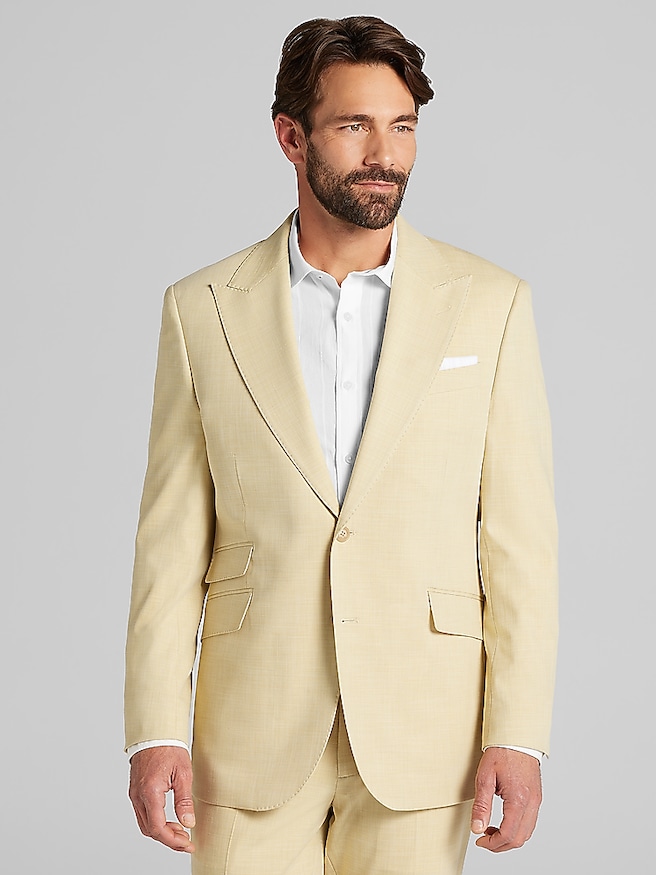
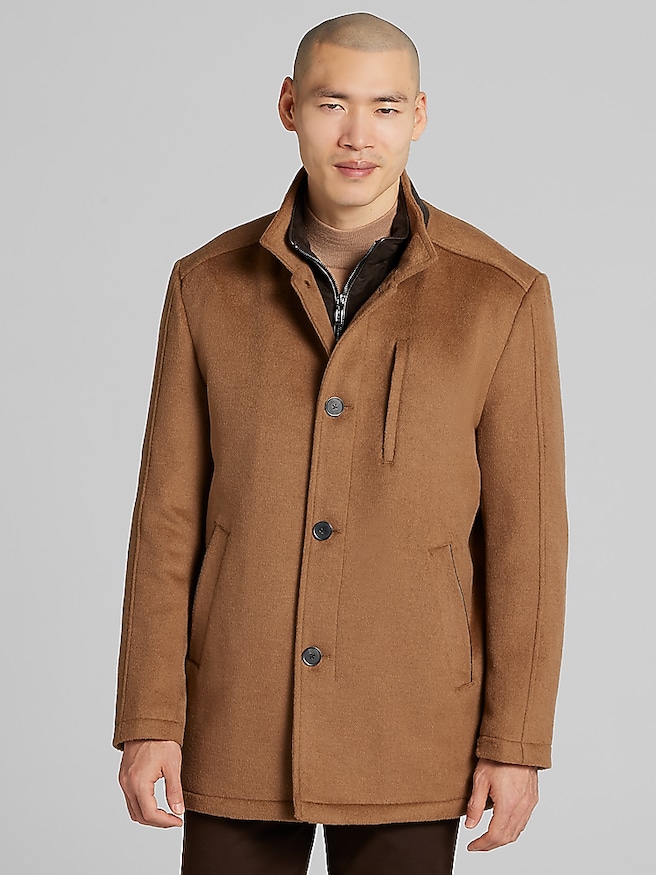
Professional summer clothes combine breathable fabrics, comfortable tailoring, and a polished appearance suited to the workplace. Lightweight dress shirts, tailored trousers, sport coats, and suits can help make warm-weather dressing feel more manageable without losing the structure expected in a professional setting. The right combination depends on the dress code, the length of the commute, and whether the day involves desk work, client meetings, or time outside between appointments. Cotton is a familiar choice for shirts because it feels comfortable against the skin and can be woven into anything from crisp poplin to a more textured Oxford cloth. Linen allows airflow and brings a relaxed texture, though its characteristic wrinkles make it better suited to some offices than others. Cotton-linen blends can offer a middle ground, combining linen’s airy feel with a somewhat smoother appearance. Lightweight wool also has a place in summer workwear, particularly in trousers and tailored jackets; an open weave can provide ventilation while preserving the clean drape associated with business attire. Fabric weight matters, but construction matters just as much. A thin fabric with a tight weave may feel less airy than a slightly more substantial fabric with a looser structure. Jacket linings, shirt density, and stretch fibers also affect how a garment feels over a full workday. Partially lined or unlined jackets can reduce bulk, while blended fabrics may offer useful flexibility or easier care, depending on their composition. Lighter colors can create a fresh summer look, but navy, charcoal, and other darker neutrals remain practical for workplaces that call for a more traditional appearance. Pale blue, white, soft gray, and muted patterns offer variety without drawing attention away from the wearer. Fabric opacity is worth considering with lighter shades, especially in bright daylight. Professional summer clothing works best when the material feels comfortable, the finish suits the setting, and the overall appearance remains composed from the morning commute through the last meeting.
Fit gives lightweight workwear much of its polish. A summer shirt needs enough room through the chest, shoulders, and upper arms for reaching, typing, and sitting without pulling across the buttons. Excess fabric can look untidy when tucked in, while an overly close fit can restrict movement and make a light fabric feel clingy. A collar that sits neatly and cuffs that finish comfortably at the wrists help maintain a professional appearance even when a jacket comes off. Trousers should sit securely at the waist and provide room through the seat and thighs, with a leg shape that follows the body without gripping it. A clean hem keeps the fabric from pooling heavily over the shoes and helps lighter trousers hang as intended. With a sport coat or suit jacket, a balanced shoulder line and a smooth closure create structure without requiring a stiff or heavy feel. These details matter in ordinary situations: settling into a conference-room chair, carrying a laptop bag, or standing through a presentation. Layering can accommodate the contrast between a sunny walk and an air-conditioned office. A lightweight jacket adds formality for an appointment and can be removed at a desk, while a breathable undershirt may help manage perspiration beneath a dress shirt. Dress codes still determine how relaxed the outfit can become. A knit polo and tailored chinos may fit a business-casual workplace, whereas a client-facing role may call for a long-sleeve dress shirt, dress trousers, and a jacket. Short sleeves, visible texture, and an open collar each change the impression of an outfit, even when the colors remain understated. Leather loafers, lace-up dress shoes, and other office-appropriate footwear provide a finished foundation, with breathable socks and a comfortable fit supporting days spent on foot. The result should feel appropriate at a desk, across a meeting table, or at a professional lunch, rather than like leisurewear with a jacket added.
Care and durability are especially important for clothing that moves repeatedly between commuting, office wear, and business travel. Lightweight does not have to mean delicate, but fabric strength, seam construction, and care requirements deserve attention alongside breathability. Areas such as collars, cuffs, pocket edges, and trouser seats receive frequent friction, so secure stitching and a fabric suited to regular wear contribute to long-term usefulness. Care labels provide the most reliable direction for washing, drying, ironing, and professional cleaning. Cotton shirts may need pressing to restore a crisp finish, linen often retains some natural creasing, and wool tailoring may benefit from brushing, airing, and appropriate cleaning rather than frequent laundering. Excessive dryer heat can affect shape and fabric performance, making the recommended drying method an important part of everyday care. Broad, supportive hangers help jackets retain their shoulders, while neatly hung trousers are less likely to develop unwanted folds. Allowing garments to air between wears and giving shoes time to dry naturally can also help maintain their condition. For business trips, fabrics with some resilience can make unpacking easier, though no lightweight material should be assumed to emerge perfectly smooth from a crowded suitcase. Coordinated colors make a compact work wardrobe more versatile: a neutral jacket, complementary trousers, and a few understated shirts can support several combinations without requiring a separate outfit for every appointment. This flexibility is useful for established professionals, recent graduates, interns, and anyone building a wardrobe around a new workplace. For early-career settings, Professional Attire For Young Adults offers a related starting point for a polished work wardrobe. Summer interviews, networking events, office presentations, and business dinners may call for varying levels of formality, but the underlying priorities remain consistent. Breathable materials, an accurate fit, thoughtful construction, and manageable care help professional summer clothes earn their place in a regular rotation, with enough comfort for a long day and enough structure for the occasions that matter.