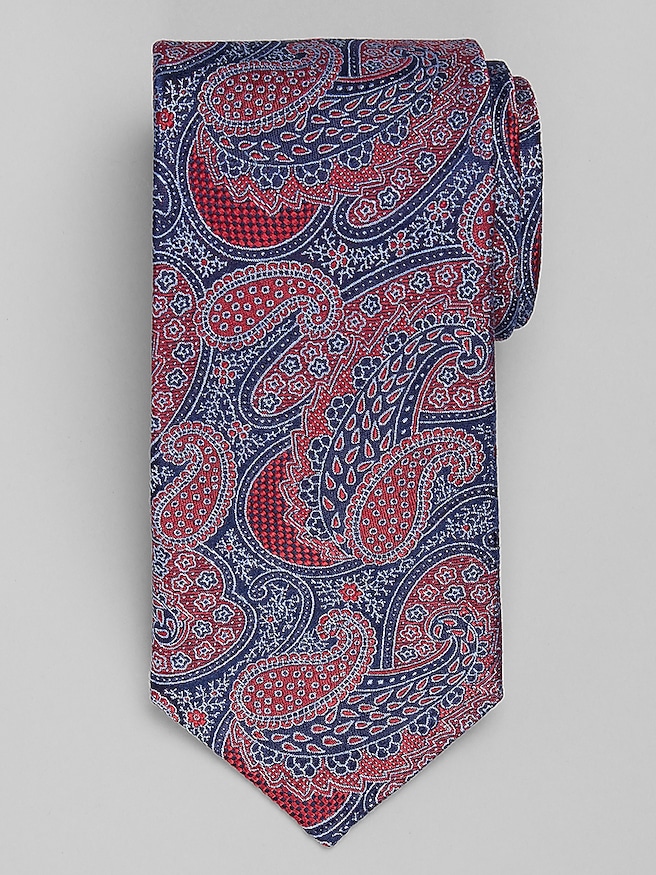
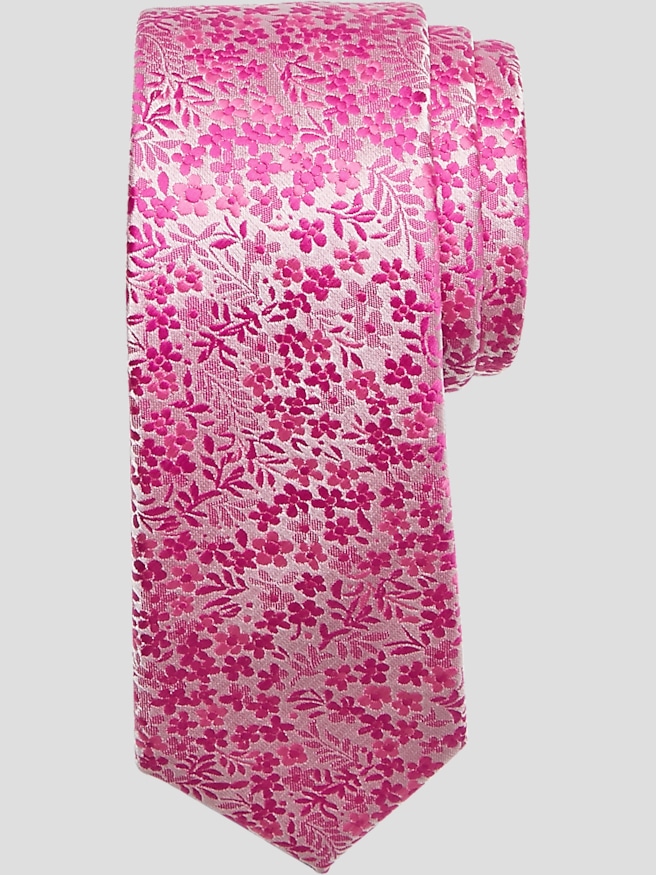
Prep-inspired ties draw on American Ivy League dressing and British school, club, and regimental traditions, with diagonal stripes, small repeating motifs, and restrained patterns at the center of the look. Their appeal comes from the balance of personality and polish: a burgundy-and-navy stripe adds distinction to a white shirt without overwhelming it, while a small geometric pattern gives a solid blazer something to work against. Repp ties are especially closely associated with this style. Repp refers to a ribbed fabric texture, often used with diagonal stripes, rather than to the stripe pattern alone. Alongside those familiar stripes, small foulards, understated dots, and neatly spaced emblems can carry the same collegiate character. Navy, burgundy, forest green, cream, and gold are familiar colors in prep-inspired neckwear, but the overall effect depends as much on spacing and contrast as on the colors themselves. Broad, clearly defined stripes look confident against a plain oxford shirt; narrow stripes and small repeats create a quieter impression beneath a jacket. These ties belong naturally with button-down collars, navy blazers, textured sport coats, and tailored trousers, though their usefulness extends beyond a traditional campus-inspired outfit. A striped tie can bring some warmth to a straightforward business suit, and a subtle foulard can make a familiar shirt-and-jacket combination feel more considered. Pattern scale helps keep those combinations clear. A finely striped shirt has room for a tie with broader stripes, while a checked jacket often works best with a smaller, less assertive tie pattern. Repeating one shirt or jacket color in the tie creates a connection without making every piece match. The result can feel composed rather than coordinated to excess, whether the setting is a client meeting, an alumni gathering, a graduation ceremony, or a dinner where a jacket and tie are appropriate.
Fabric, shape, and construction give prep-inspired ties much of their character. Silk can provide a smooth drape and a subtle sheen, while woven silk may have a more pronounced surface that makes stripes and small motifs stand out. Printed silk often produces a flatter, finer pattern, especially in small geometric or paisley designs. Wool offers a softer, more matte appearance alongside textured tailoring, and cotton can lend a crisp, understated finish. Blended fabrics vary in feel, recovery, and care requirements, so fiber content is more useful than appearance alone when comparing materials. Knit ties bring another option, with an open texture and often a squared end that feels less formal than a traditional pointed blade. That relaxed character suits an oxford shirt and unstructured jacket, while a conventionally woven tie is an easier match for a polished business suit. Fit is primarily a matter of proportion and finished length. A tie should relate to the width of the jacket lapels and the size of the shirt collar, rather than looking unusually narrow or broad against them. When tied, the front blade generally reaches around the waistband or belt line, with enough length in the narrow end to sit neatly behind it. Taller wearers, larger neck sizes, and fuller knots can require more length; a higher trouser rise can change where the tip needs to finish. A four-in-hand knot gives a slightly asymmetrical shape that feels at home with collegiate styling, while a half-Windsor offers a more balanced triangle for a collar with additional spread. Thick fabric creates more knot volume, so the same knot will look different in lightweight silk and substantial wool. A comfortable knot sits close to the collar without pulling it out of shape, and a small dimple beneath it adds definition without needing to look perfectly sculpted.
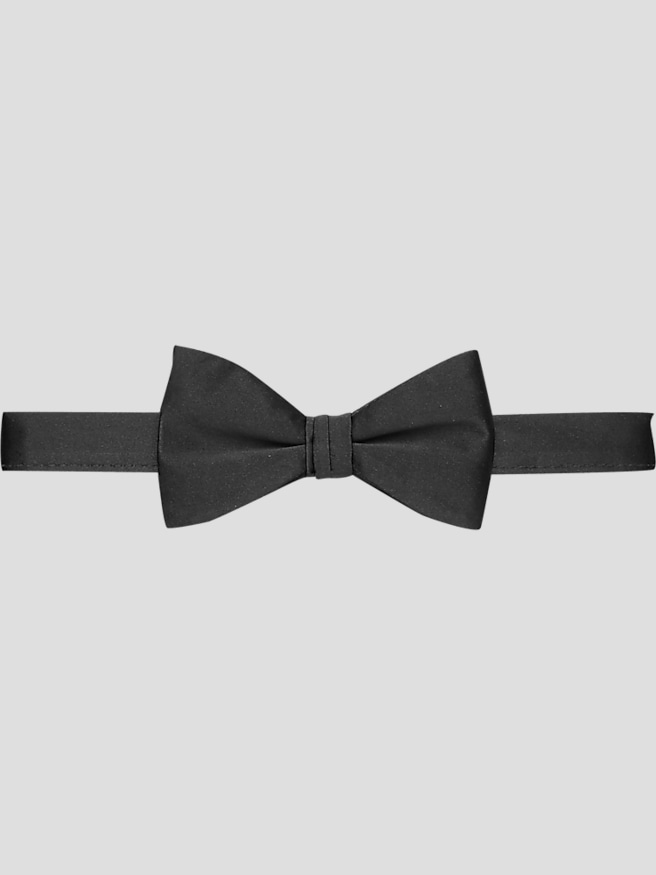
Prep-inspired neckties are useful for people whose wardrobes move between professional settings and personal celebrations. A graduate building a first work wardrobe may get frequent use from a restrained stripe, while someone who already wears tailoring regularly might appreciate a small motif or a textured fabric that changes the feel of familiar outfits. For a gift, the recipient’s usual shirts and jackets offer better clues than an isolated favorite color. Navy tailoring and pale blue shirts leave room for burgundy, green, or gold accents; a wardrobe with plenty of checks may benefit from a quieter pattern. A tie can also mark a graduation, a new role, or an achievement without depending on a closely fitted clothing size, although length and preferred width still matter. For prom attire, a prep-inspired long tie can complement a suit when the event’s dress expectations allow that approach. When the intended look calls for a bow tie instead, Pre-Tied Prom Bow Ties provide an alternative silhouette; a traditional black-tie dress code calls for formal neckwear rather than an everyday collegiate stripe. With regular wear, careful handling helps preserve both appearance and shape. Untying the knot after use, rather than leaving it tightened, reduces persistent creasing and strain around the knot area. Ties benefit from time to recover between wears and from storage that avoids sharp folds, crowded drawers, or rough hooks. Smooth ties can hang on a suitable rack, while loosely rolling a knit tie can help avoid stretching. Spills deserve prompt attention: gentle blotting is preferable to rubbing, which can spread a mark or disturb the surface. The care label should determine cleaning, and delicate or structured ties may need a cleaner experienced with neckwear. Keeping a tie clear of bag straps, abrasive jacket closures, and sharp accessories also helps prevent pulls. Those small habits protect the fabric and construction, allowing a well-chosen pattern to remain a dependable part of a tailored wardrobe.