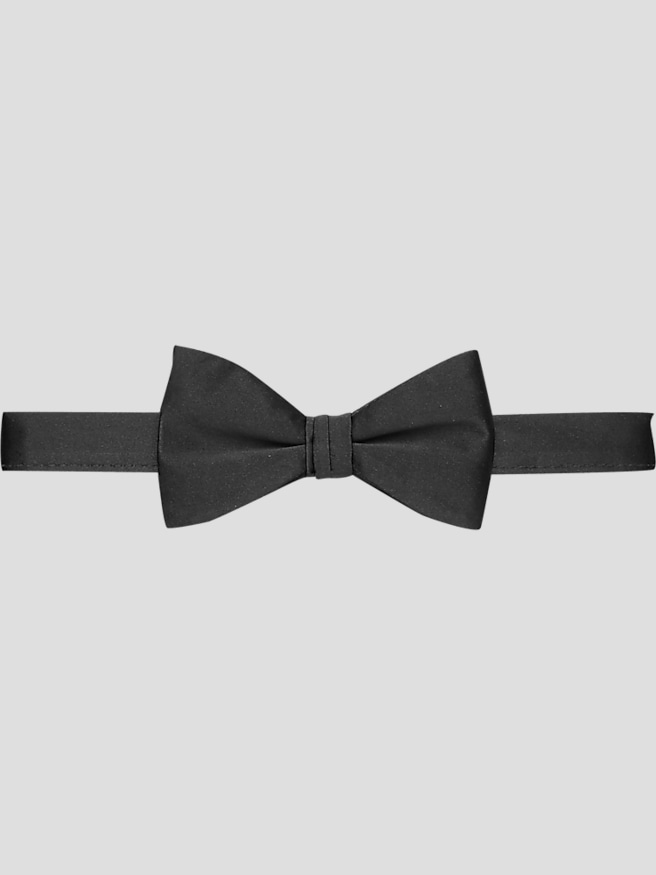
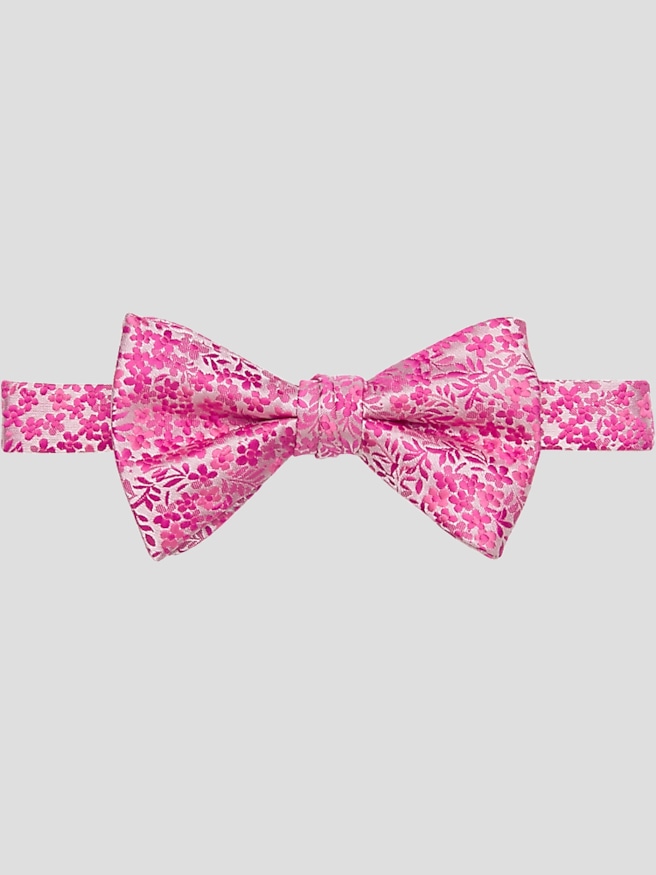
Pre-tied prom bow ties bring a finished shape to formal outfits without requiring the wearer to tie a knot before the first photo. The bow is already formed and secured, typically with an adjustable neckband and a fastening that sits beneath the shirt collar. That construction makes a pre-tied style especially practical for a first tuxedo, a busy afternoon of getting dressed with friends, or anyone who prefers a consistent shape throughout the evening. The appeal is straightforward: a defined knot, balanced wings, and less time spent making adjustments in the mirror. Beyond convenience, a bow tie creates a distinct focal point between the collar and jacket lapels. A black bow against a white dress shirt gives a tuxedo its familiar formal contrast, while a deeper color or subtle pattern can make a suit feel more personal without overwhelming it. Solid shades tend to keep the overall look clean, particularly when the jacket already has texture or pattern. Small dots, restrained paisley, or a woven geometric design add detail that becomes more noticeable in close-up photos. Color coordination does not have to mean an exact match to a date’s outfit; choosing a shared undertone or a complementary accent often looks more natural. A burgundy bow, for example, can pick up a similar shade in a pocket square or boutonniere while leaving the rest of the outfit understated. The scale of the bow matters as much as its color. A compact shape can sit neatly within a narrow collar, while a fuller bow has more presence beside broader lapels. Neither needs to dominate the face or extend awkwardly beyond the collar. For prom attendees who want a dressier finish than a standard necktie, pre-tied construction offers the recognizable character of a bow tie with a simpler fastening process, leaving attention on the celebration rather than the knot.
Fabric and finish influence how a pre-tied bow tie looks in person, how it photographs, and how it holds up between occasions. Satin describes a weave rather than a fiber, so a satin bow tie may be made from silk, polyester, or another material. Its smooth surface reflects light and provides a polished contrast against a matte dress shirt. Silk can offer a rich appearance and a supple feel, while polyester often provides resilience and shape retention; the actual performance depends on the fabric and construction. Grosgrain has fine, visible ribs that create a more textured effect with less continuous sheen. Velvet brings a soft pile and visual depth, though its surface needs protection from crushing and rubbing. A woven pattern can add dimension without the stronger contrast of a large printed motif. These differences are useful when coordinating with a jacket: a smooth bow can echo satin lapel facings, while a ribbed finish can relate to grosgrain details. Fit begins with the neckband’s stated adjustment range, not simply a general size label. The band should sit comfortably around a buttoned shirt collar without pulling it inward or leaving the bow loose enough to tilt. A fastening that lies flat and an adjustment slider that stays in position help keep the front centered through dinner, photographs, and dancing. With a traditional turn-down collar, most of the band is concealed; a wing collar can expose more of it, making the band’s appearance another consideration. Trying the bow tie with the actual shirt and jacket gives a clearer picture of proportion than viewing it alone. There should be room to move naturally, turn the head, and sit comfortably without the bow pressing into the chin. Neat stitching, securely attached fasteners, and evenly formed wings also contribute to durability. A pre-tied shape removes the need for repeated knotting, but the fabric and hardware still benefit from careful handling rather than a hurried tug at the end of the night.
A Men's Bow Tie For Senior Prom can become part of an outfit remembered well beyond the dance, whether the look centers on a traditional tuxedo or a carefully coordinated suit. The most convincing combinations leave a little breathing room between accessories. A patterned bow can stand on its own beside a plain pocket square, while a solid bow gives a boutonniere or textured jacket space to be noticed. Matching every accessory in the same fabric is not essential to a cohesive result; repeating one color and varying the texture often feels more considered. School dress requirements and the event’s level of formality also help determine whether a classic dark bow or a more expressive choice fits the occasion. For a parent, grandparent, or other family member giving a bow tie as a gift, the recipient’s collar size, outfit colors, and preference for understated or noticeable details are useful starting points. An adjustable band adds flexibility, but checking its measurements remains important. A versatile finish may also suit later celebrations, including weddings, formal dinners, and college events, extending its use beyond prom night. Care helps preserve that possibility. The care label should guide cleaning because silk, synthetic fabrics, velvet, and structured interiors do not all respond the same way to water, heat, or cleaning products. Machine washing or ironing without checking those instructions can distort the bow or damage its finish. Small marks are best addressed promptly according to the fabric’s care directions, and delicate or structured styles may need professional attention. After wearing, releasing the fastening rather than pulling the band over the head helps protect both the closure and the collar. Keeping the bow dry, allowing it to air before storage, and placing it where the wings will not be flattened can help maintain its shape. A separate compartment or small storage box also keeps the fastening from catching on other accessories. Those details support what makes a pre-tied prom bow tie useful in the first place: a polished, repeatable finish that is easy to put on and comfortable enough to wear through the last photograph.