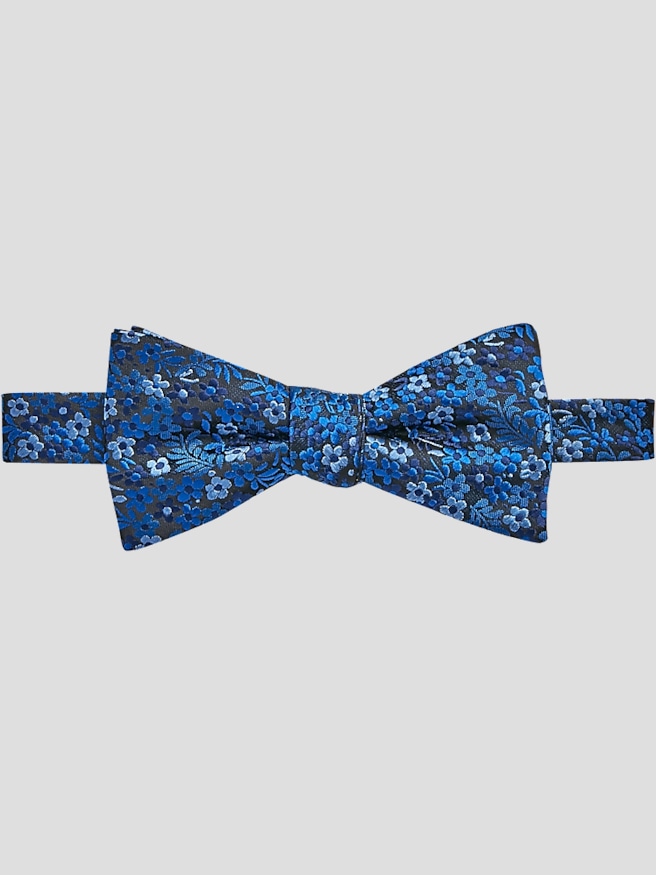
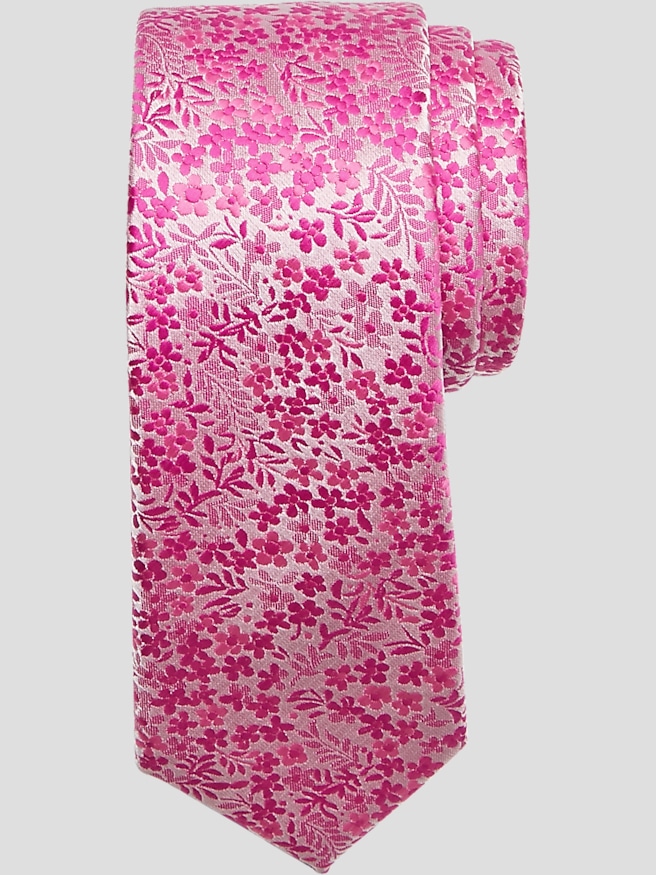
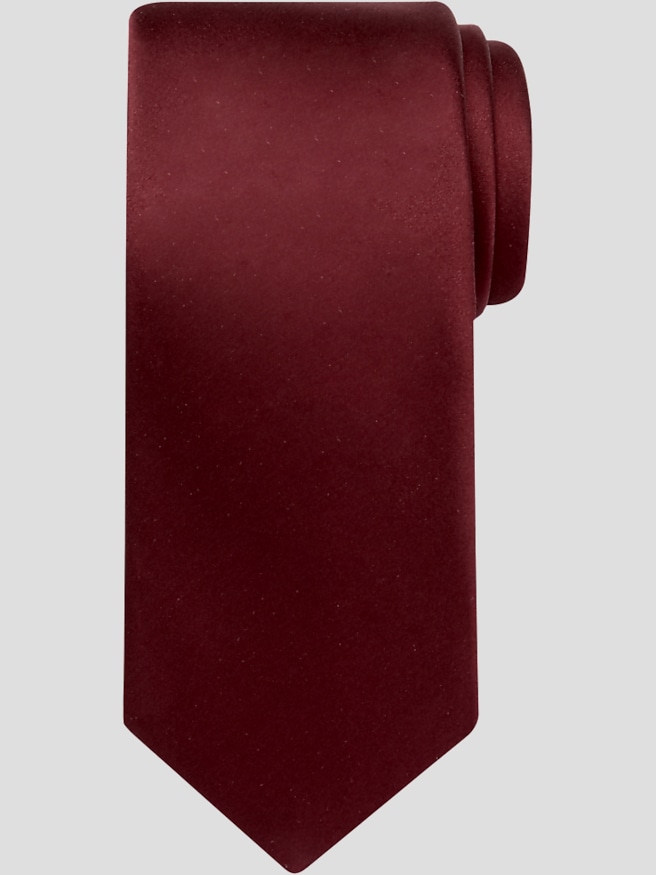
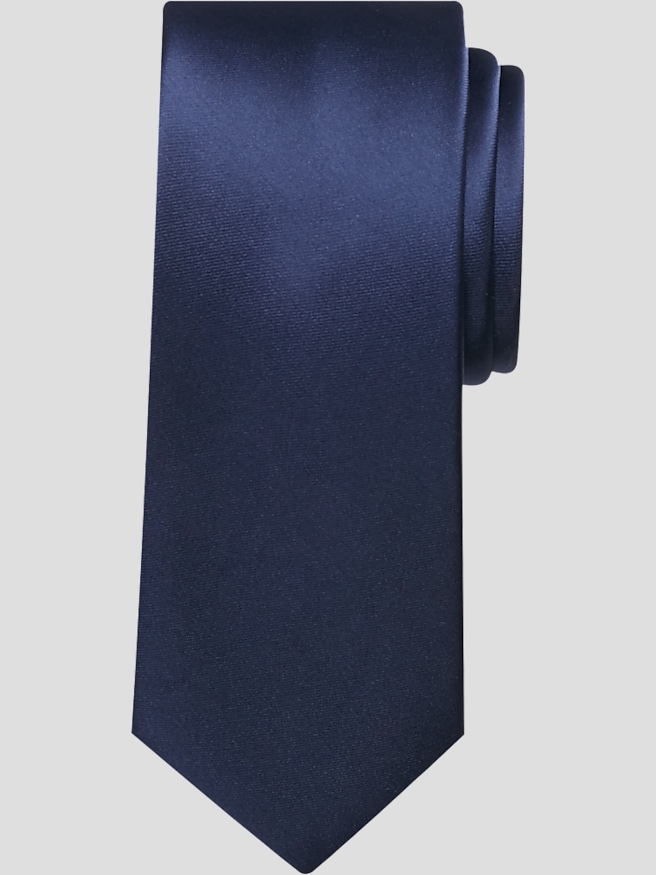
Traditional ties remain a dependable foundation for a well-dressed wardrobe, combining familiar proportions with the versatility to suit professional, formal and celebratory settings. A traditional tie is a long, tapered piece of neckwear worn around the collar and secured with a knot, typically measuring about 3 to 3.5 inches at its widest point. That balanced width creates the classic silhouette most people picture when they think of a tie: substantial enough to complement a suit jacket without overwhelming it, yet refined enough to wear with a dress shirt and tailored trousers. Traditional ties are commonly made from woven silk, cotton, wool or linen, with each fabric offering a distinct look and feel. Silk has a smooth surface and gentle sheen that pairs naturally with suits for weddings, ceremonies, formal dinners and important professional occasions. Cotton can bring a softer, more relaxed finish to office attire, while wool adds visual texture and warmth during the cooler months. Linen has a lighter, more casual character and can work well when an outfit calls for an easygoing, seasonal touch. When choosing a tie, consider the suit, shirt and setting as a complete combination rather than selecting color in isolation. A solid tie is an especially useful starting point because it can anchor a patterned shirt or add depth to a textured suit. Stripes are a time-tested choice for business dressing, giving an outfit a sense of direction and polish. Paisley, subtle florals and understated geometric patterns can bring personality to a wedding guest look, reception outfit or special dinner without making the tie feel difficult to wear again. Herringbone and other woven textures offer quiet interest that becomes visible as the light changes, much like the detail in a well-made jacket. Color should create a pleasing relationship with the rest of the outfit: a darker tie can give a light shirt stronger definition, while a rich or muted color can add dimension to a navy, charcoal or brown suit. For a traditional, versatile wardrobe, look for colors and patterns that can move comfortably from the office to an evening event. It is also worth checking the tie’s length in relation to the wearer’s height and the rise of the trousers. After tying, the tip of the blade should generally reach the waistband or belt area, creating a clean visual connection between the upper and lower parts of the outfit. A tie that hangs noticeably too high or too low can distract from an otherwise carefully fitted ensemble.
The knot helps shape the final impression of a traditional tie and should work with the collar, fabric and occasion. The Four-in-Hand is a classic choice with a slightly asymmetrical appearance and a moderate amount of structure, making it practical for everyday business wear, interviews, graduations and less formal celebrations. Its understated irregularity can make an outfit feel natural rather than overly arranged. The Full Windsor creates a broader, more symmetrical knot and pairs well with spread collars or occasions that call for a more formal presentation, such as a wedding ceremony, awards event or formal dinner. Thicker ties may look best with a simpler knot so the area beneath the collar does not become bulky, while a finer tie can accommodate additional shaping without appearing heavy. A well-formed dimple directly beneath the knot adds a small but meaningful detail, giving the fabric a graceful fold as it falls down the shirtfront. Traditional ties are useful for the first job interview, the presentation that carries extra weight, the graduation photographs that will be kept for decades and the wedding where every detail is remembered. They are also thoughtful gifts for a recent graduate, a new professional, a wedding party member, a father, brother or partner building a more complete wardrobe. A tie can be personal without requiring exact sizing, and a carefully chosen color or pattern often carries a sense of occasion: a deep tone for a winter ceremony, a restrained stripe for a first office wardrobe or a distinctive paisley for someone whose style is polished but never plain. During the transition into cooler weather, woolen textures, deeper neutrals and layered suiting can make traditional neckwear feel especially at home, while lighter woven fabrics and brighter tones remain useful whenever an outfit needs a more relaxed finish. For additional inspiration beyond enduring solids, stripes and classic patterns, explore Seasonal Ties for neckwear suited to changing celebrations and dress codes. Whether the goal is to refresh a work wardrobe, complete a suit for a meaningful event or give a useful accessory with lasting appeal, traditional ties offer an easy way to bring color, texture and considered detail to the way a man dresses. A dependable tie can become the finishing touch reached for before an important morning, hanging neatly beside the shirt and jacket while setting the tone for the entire day.