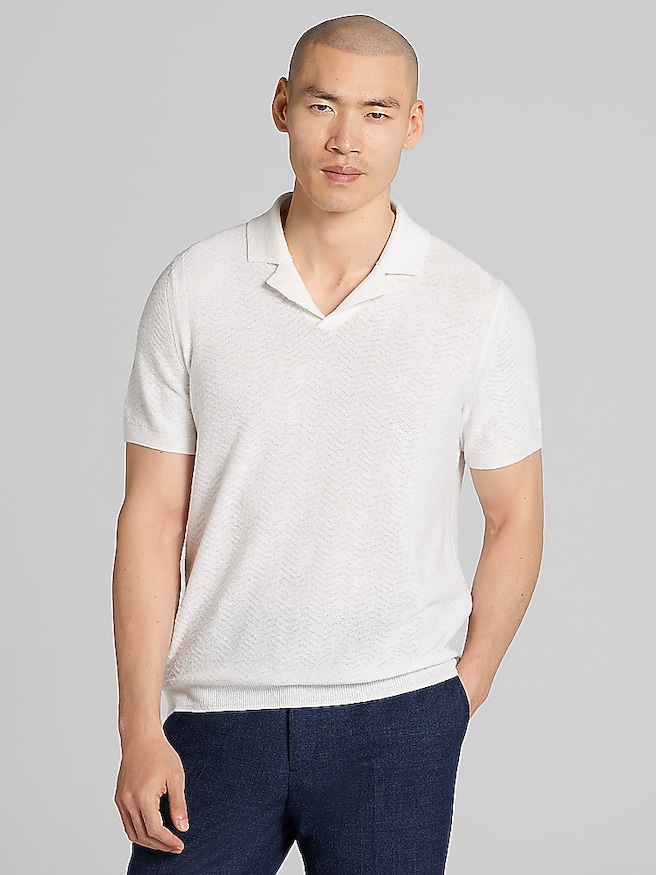
Polo shirts for big and tall men bring together the ease of a knit shirt and the more finished look of a collar, making them useful for everything from a casual office day to dinner with friends. The appeal is straightforward: a polo looks put together without feeling stiff, and the right proportions make it comfortable through a full day of sitting, walking, reaching, and moving between plans. Big and tall sizing addresses more than a larger chest measurement. Big fits can provide additional room through the chest, waist, and upper arms, while tall fits typically account for extra body and sleeve length. Some men need both, and others need added length without much additional width. Those distinctions matter when a shirt needs to stay tucked through a meeting or maintain comfortable coverage when worn loose. A well-balanced fit leaves room across the torso without excessive fabric gathering at the sides, and the sleeves allow easy movement without pulling across the upper arms. On styles with set-in sleeves, shoulder seams that sit near the natural shoulder help the collar and upper body lie neatly. The button placket should rest flat rather than spread open, and the collar should feel comfortable whether the top button is fastened or left undone. Hem length also changes how a polo works with the rest of an outfit: enough length supports a tidy tuck, while an untucked shirt looks more balanced when it does not overwhelm the trousers beneath it. Side vents can give the hem room to move, especially when seated. Because size labels and cuts can vary, chest, waist, and body-length measurements offer a better starting point than relying on a familiar letter size alone. The goal is not a tight silhouette or unnecessary extra volume, but a shirt that follows the body comfortably and keeps its shape as the day unfolds.
Fabric gives a big and tall polo much of its character, from the texture visible across the chest to the way the hem hangs. Cotton piqué has a subtly raised surface that lends depth to solid colors and gives a classic polo its recognizable texture. Smooth jersey offers a softer, T-shirt-like feel with a more fluid drape, making it a natural choice for relaxed outfits. Cotton-rich blends can combine a familiar feel with other practical qualities, while fabrics containing stretch may offer more flexibility through the shoulders and arms. Depending on their construction, performance knits can provide moisture management or quicker drying for active days, including a round of golf or an afternoon spent moving between errands. Those features are worth distinguishing from fit: stretch can improve freedom of movement, but it does not replace adequate room through the body. Fabric weight matters, too. A knit with some substance can hang cleanly and feel less clingy, while a lighter construction may feel less substantial against the skin. Neither is automatically better; the choice depends on the desired feel and how the shirt will be worn. Details such as an evenly stitched placket, a neatly finished collar, and secure buttons contribute to a polo’s appearance and durability. Reinforcement at stress points, including side vents, can also help with repeated wear. Care begins with the garment’s label because cotton, blended fabrics, and specialized finishes do not all respond the same way to washing and drying. Where the instructions permit, washing with similar colors and using a gentle cycle can help protect the fabric’s surface. Excessive dryer heat may contribute to shrinkage or affect stretch fibers, so the recommended drying method deserves attention, particularly when maintaining body length is important. Prompt attention to spills and avoiding unnecessary abrasion can help preserve a clean finish. A collar smoothed back into place after laundering is a small detail that makes the next wear look more polished.
The versatility of big and tall polo shirts comes from how easily they connect with familiar wardrobe pieces. A solid navy polo with stone-colored chinos has a crisp, understated look, while a charcoal polo with dark denim feels relaxed enough for a casual meal without appearing careless. Black, white, gray, and muted earth tones offer straightforward combinations, and richer colors can bring interest to an otherwise simple outfit. Stripes and small-scale patterns add another dimension, particularly when paired with plain trousers that let the shirt remain the focal point. For workplaces with a relaxed dress code, a polo can serve as an alternative to a button-front shirt, though the level of formality depends on the office and the occasion. Tucking it into well-fitting trousers and adding a belt creates a more defined finish; leaving it untucked works well when the hem length and overall proportions support that approach. A soft jacket can add structure without making the outfit feel overly formal, provided there is enough room for the polo’s collar and sleeves to sit smoothly beneath it. Men building a wardrobe around comfortable proportions can also explore Big And Tall Shirts for other shirt styles suited to different settings. Polos are especially useful for men who want a reliable middle ground between a T-shirt and a dress shirt, whether the day includes a desk, a family gathering, travel, or an informal business lunch. They can also make thoughtful gifts when the recipient’s measurements, preferred fit, and usual colors are known. Someone who regularly wears shirts untucked may value body length and a clean hem, while someone who spends much of the day seated may appreciate extra ease through the waist and arms. Choosing with those everyday habits in mind makes the shirt feel personal and practical. The lasting appeal is a familiar combination of comfort, a tidy appearance, and enough flexibility to work across many ordinary occasions.