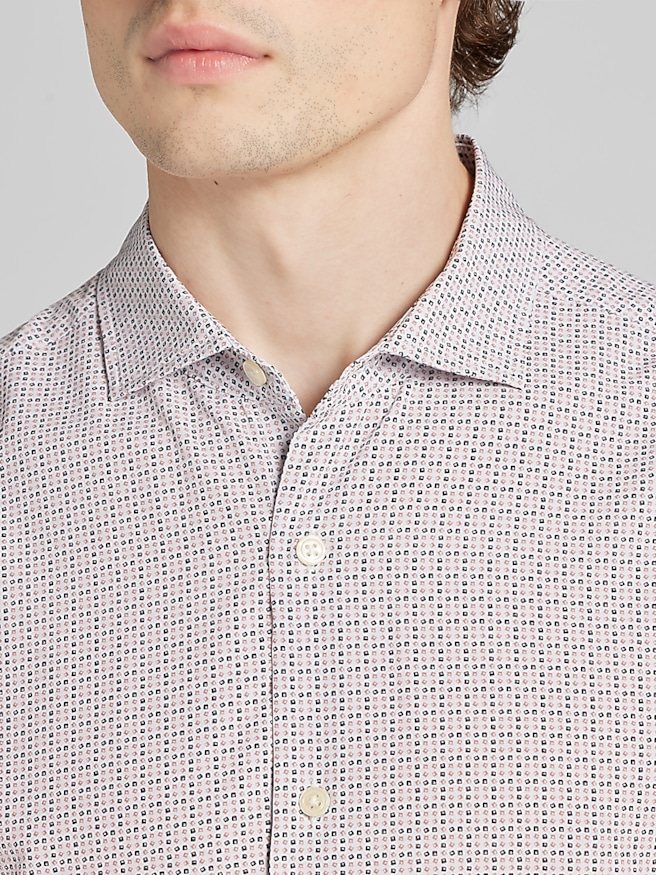
Plus size short sleeve camp shirts bring an easygoing shape to everyday dressing, with an open collar, a relaxed neckline, and a hem that often looks natural worn untucked. The camp collar usually lies flat rather than standing upright, giving the shirt a softer appearance than a traditional button-down while keeping the outfit pulled together. For men who need more room through the chest, waist, or upper arms, the right proportions make that relaxed look feel intentional rather than oversized. A comfortable fit leaves space to sit through dinner, reach across a table, or move through a gathering without the front buttons pulling apart. Shoulder seams should sit close to the shoulder’s natural edge, and sleeves should allow comfortable movement without pressing into the upper arm. Extra width alone does not guarantee a good fit: the balance between shoulder placement, sleeve opening, torso room, and shirt length matters just as much. Big and tall sizing can also address separate needs, since a broader build does not necessarily call for a longer hem, and a taller frame may need added length without excessive fullness. Measurements and the garment’s size chart provide a more useful starting point than relying on a familiar size label alone. When worn untucked, a straight hem that falls around the hip can create a clean line, although the best length depends on torso proportions and personal preference. A quick check while seated helps reveal whether the shirt rides up or feels snug across the middle. The collar should settle comfortably against the neck and chest, with enough structure to hold its shape without feeling stiff. Within the broader category of short sleeve camp shirts for men, plus size proportions support the same casual character while giving fuller builds room to move. The result is a shirt suited to a restaurant lunch, a casual celebration, or an evening spent catching up with friends, without the formality of a dress shirt.
Fabric gives a camp shirt much of its personality, influencing how it hangs, how it feels against the skin, and how much attention it needs between wears. Cotton often has a familiar, comfortable hand, though the weave and finish determine whether it feels crisp, soft, substantial, or lightweight. Linen has a textured appearance and tends to develop visible creases, which can be part of its relaxed appeal rather than a flaw to eliminate. Rayon and similar cellulose-based fabrics often have a fluid drape that follows the body without the rigidity of a structured woven shirt. Blends can combine qualities such as softness, shape retention, and easier care, but the fiber percentages and care label tell more than a broad fabric name. In a plus size fit, drape is especially noticeable: a fabric that falls smoothly can skim the torso, while a stiffer cloth creates a more defined outline. Neither is automatically better; the choice depends on whether the preferred look is loose and flowing or a little more structured. Opacity is another practical consideration, particularly with pale colors or fine weaves, where an undershirt may affect the finished appearance. Solid colors offer a straightforward foundation for casual pants, while stripes, geometric patterns, and botanical prints give the shirt a stronger visual presence. Pattern scale changes the mood of an outfit, from a small repeat that reads almost like texture to a broad motif that becomes the focal point. There is no need to treat fuller builds as limited to dark colors or quiet patterns. A print that feels comfortable to wear, balanced with simpler pants and shoes, can look confident without feeling busy. Camp shirts pair naturally with chinos, jeans, and casual trousers; clean sneakers or loafers help set the level of polish. Worn open over a plain T-shirt, the same silhouette takes on a more laid-back character. For a workplace with a relaxed dress code, a restrained pattern and tidy hem may be appropriate, while an occasion that calls for a jacket and tie generally needs a more formal shirt.
Care and construction help determine how well a plus size camp shirt keeps its shape and appearance over repeated wear. Even stitching, secure buttons, and neatly finished seams are useful details to examine, especially around the armholes and side seams where movement places stress on the fabric. A well-made collar should lie smoothly, and the front placket should remain reasonably flat when the shirt is buttoned. Good construction works best with a fit that does not strain the seams; extra tension across the chest or waist can wear down an otherwise sturdy shirt. The care label should guide washing, drying, and pressing, because two shirts with a similar appearance may need quite different treatment. Some fabrics tolerate machine washing, while others require a gentler process or professional cleaning. Excessive dryer heat can cause shrinkage or affect the feel of certain materials, so drying instructions deserve the same attention as washing instructions. Promptly removing a washable shirt from the machine and smoothing the collar, placket, and hem can help reduce stubborn wrinkles. When pressing is appropriate, the recommended temperature matters, particularly for blends and fluid fabrics that may be sensitive to heat. Hanging a clean shirt on a suitable hanger helps preserve its shape, while leaving room in the closet keeps the collar from being crushed. For travel, folding along the seams and unpacking soon after arrival can make it easier to freshen the shirt before dinner or a social gathering. A camp shirt can also make a thoughtful birthday or Father’s Day gift for a man who enjoys casual clothing with a little personality. The most useful gift choices reflect his measurements, preferred sleeve length, usual colors, and willingness to follow the care routine. Comfort, easy movement, and a familiar style are more meaningful than choosing a bold print he would never wear. With the right fit and fabric, plus size short sleeve camp shirts offer a dependable option for looking composed while feeling at ease.