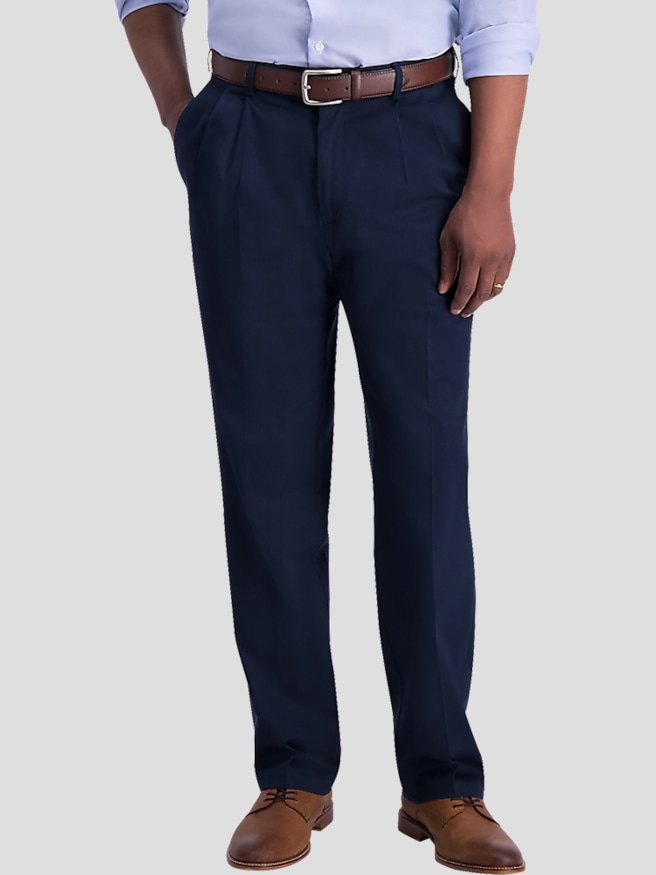
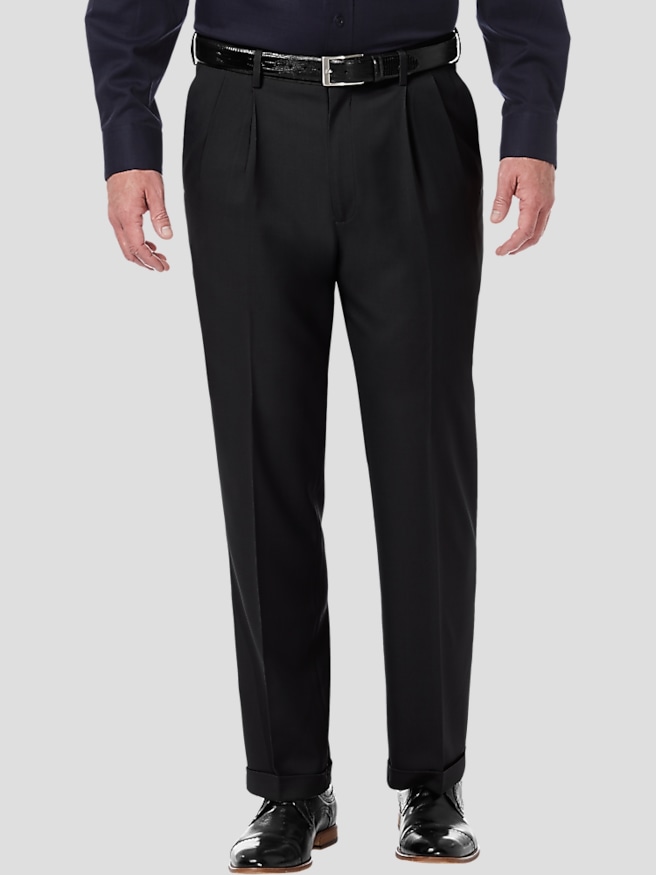
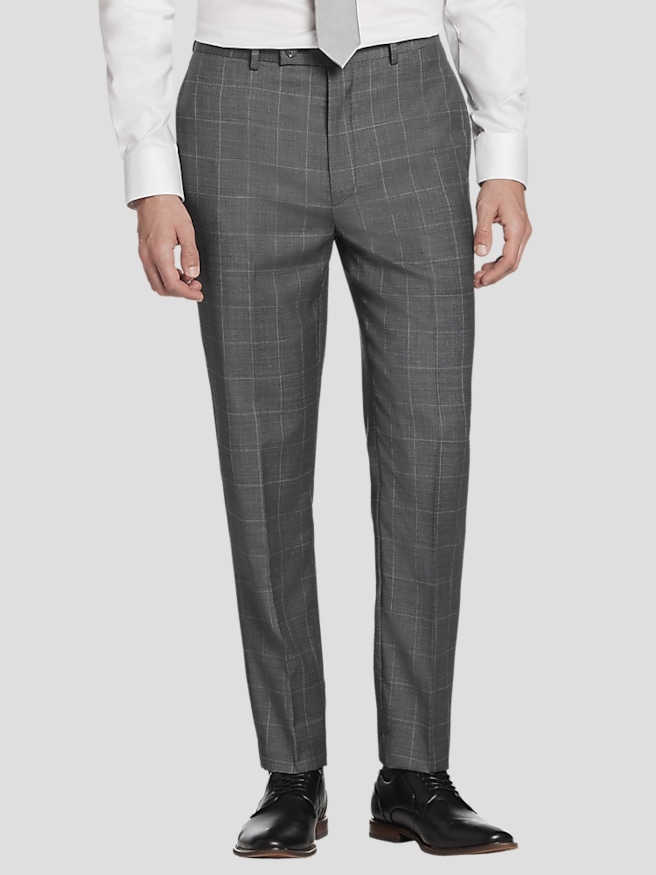
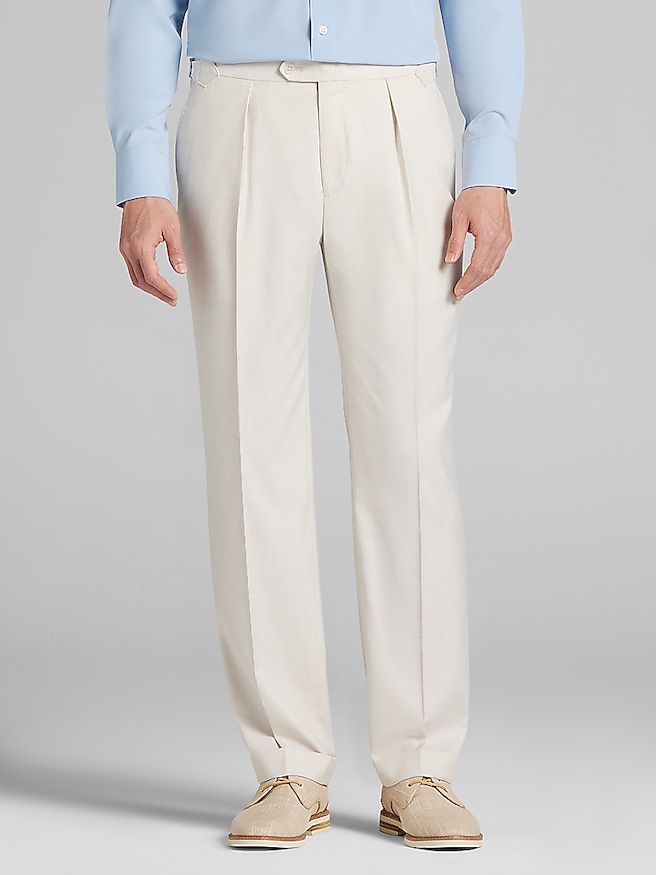
Pleated wool pants bring a little more room and movement to tailored dressing without giving up a clean, composed appearance. The folds at the front allow fabric to open through the hips and upper thighs when sitting, walking, or climbing stairs, then settle back into place when standing. That combination makes them a practical choice for a day that moves from a desk to a client meeting and finishes with dinner out. Their character comes from both the cut and the cloth: wool can have a smooth, crisp surface or a softer, lightly brushed finish, and each creates a distinct impression. Worsted wool generally looks sleek and defined, while wool flannel has a muted texture that feels especially at home during the cooler months. Fabric weight matters, too. A lighter wool can work comfortably in heated offices and indoor gatherings, while a heavier cloth adds substance and can hold a particularly handsome drape over the leg. Wool’s natural crimp contributes to resilience, helping the fabric recover from some of the creasing that develops during ordinary wear, though performance depends on the weave, finish, and composition. Blended fabrics may add stretch or change the feel and care requirements, so the fiber label is worth a close look. Pleats describe the construction of the pants rather than the weave of the fabric; Wool Twill Pants offer another way to consider wool trousers, with a diagonal weave that may appear in either pleated or flat-front styles. For a versatile wardrobe, charcoal, navy, and medium gray provide a restrained foundation for dress shirts, knitwear, and jackets. Brown and subtle heathered tones introduce warmth without demanding a bold outfit. The result can feel traditional or modern depending on the proportions and accompanying pieces, whether the occasion calls for a neatly tucked shirt and polished shoes or a fine-gauge sweater with a softly structured jacket.
The best fit lets the pleats rest neatly rather than pulling them open before any movement begins. A waistband that pinches, pockets that flare outward, or horizontal strain across the front can signal that more room is needed through the waist, seat, or upper thigh. Pleats provide ease, but they cannot compensate for an otherwise restrictive cut. Equally, excess fabric through the seat or a waistband that slips can make a tailored pair look less intentional. The rise deserves as much attention as the waist measurement because it determines where the pants sit and how the upper portion hangs. A higher rise can provide a longer visual line through the leg and keep a tucked shirt comfortably in place; a lower rise creates another proportion and needs enough room to remain comfortable when seated. Trying pants while sitting in a chair, taking a few steps, and bending a knee gives a more useful picture than standing still in front of a mirror. Single pleats tend to create a quieter front, while double pleats can provide additional fullness and a more pronounced tailored character, depending on their depth and the overall cut. Neither requires an exaggerated silhouette. A gently tapered leg can balance room at the top with a tidy opening at the ankle, while a straighter leg emphasizes the natural drape of the wool. Hem length should work with the shoes most likely to accompany the pants. A slight break offers a familiar dress-trouser finish; little or no break exposes more of the shoe and sharpens the outline. Cuffs add visual weight at the hem and often complement pleated styling, while plain hems keep the finish understated. Alterations can refine the waist and length, but starting with a comfortable seat, rise, and thigh makes the process more straightforward. For office wear, a tucked cotton shirt and leather belt keep the front visible and orderly. For a dinner or celebration, a textured jacket and simple tie can build on the fabric’s depth without making the outfit feel busy.
Good care helps pleated wool pants retain the qualities that make them worth wearing: a smooth fall from the waistband, a defined crease, and fabric that feels fresh rather than flattened. Begin with the garment’s care label, since pure wool, wool blends, linings, and internal construction may require distinct treatment. Many tailored wool trousers call for professional dry cleaning, but cleaning frequency should reflect actual wear and the label’s directions rather than an automatic trip after every outing. Between wears, empty the pockets and hang the pants neatly in a ventilated space. A soft clothing brush can lift surface dust and lint with gentle strokes, and allowing time between outings gives the fabric an opportunity to air out and recover. Avoid leaving a phone, thick wallet, or keys in the pockets during storage; concentrated weight can distort the shape and interrupt the drape. For a spill, blot promptly with a clean cloth instead of rubbing, then follow the care instructions or consult a professional cleaner. Pressing also calls for restraint. Excess heat and direct pressure can leave shine on wool, so any home pressing should follow the label, use appropriate protection, and preserve the intended crease and pleat placement. Secure stitching, neatly finished seams, and a waistband that lies evenly are useful construction details to examine, although long-term durability also depends on fit, fabric, and wear habits. Pants that pull tightly across the seat or rub heavily at the thighs may experience more concentrated stress. Rotation is especially helpful for someone who wears tailored clothing most workdays. Beyond the office, pleated wool pants suit graduation celebrations, family gatherings, evening performances, and occasions where denim feels too casual but a full suit is unnecessary. They can also be a thoughtful gift for someone building a professional wardrobe or returning to more dressed-up routines, provided waist, inseam, preferred rise, and alteration needs are known. With considered proportions and attentive care, they offer an adaptable foundation for dressing comfortably and looking composed through the cooler months and beyond.