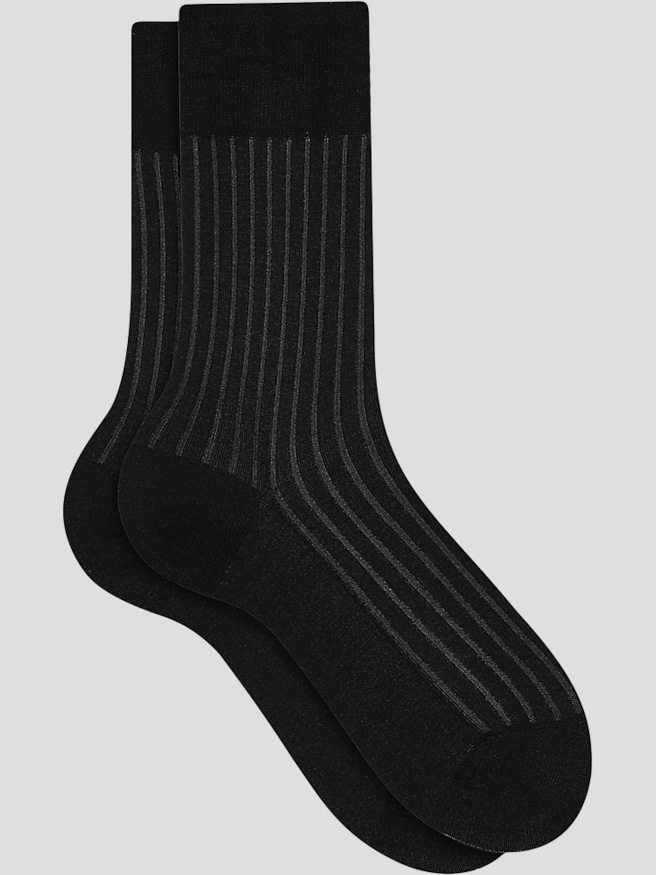
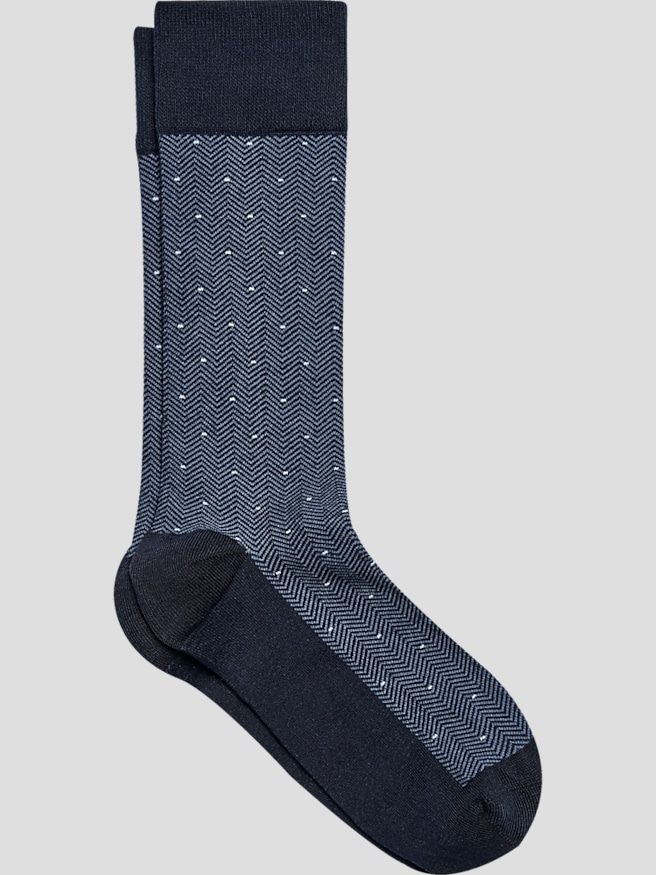
Performance socks are designed to manage moisture, reduce rubbing, and maintain a secure fit through repeated movement. Their performance comes from the combination of fabric, knit construction, cushioning, and shape—not simply from a thicker sole or a sporty appearance. For someone walking between appointments, standing through a presentation, or heading to a workout after work, those details can make a noticeable difference inside a shoe. Moisture-wicking socks use fibers and fabric structures that help move perspiration away from the skin so it can spread through the fabric and evaporate. Polyester and nylon are common components in technical blends: polyester contributes moisture management and drying performance, while nylon adds strength and resistance to abrasion. Spandex or elastane provides stretch and recovery, helping the sock follow the foot without becoming loose after a few hours. Merino wool blends offer moisture management and natural odor resistance, although their feel and durability also depend on the other fibers and the construction. Cotton contributes softness and absorbency, but a cotton-rich sock may hold moisture longer than a technical blend during sustained activity. Fiber percentages tell only part of the story. Open-knit or mesh areas can encourage airflow, while a closer knit at the heel and toe can reinforce places that repeatedly rub against footwear. A smooth interior matters as much as the fabric listed on the label, especially when a full day includes stairs, sidewalks, and extended time on foot. Men's performance socks can serve everyday routines as well as exercise, with lighter constructions suited to close-fitting footwear and more cushioned versions suited to shoes with additional space. The useful distinction is how the sock works with the activity and the shoe. A long walk across an office campus, a strength-training session, and a day spent mostly standing place different demands on the same small layer between foot and footwear.
Fit determines whether those technical features remain where they belong. A properly sized performance sock places the heel pocket around the heel, leaves the toes room to move, and lies smoothly across the sole without gathering into folds. Excess fabric can bunch beneath the forefoot, while an overly small sock can pull tightly across the toes or drag the heel section out of position. Shoe size is a useful starting point, but foot width, instep height, and the amount of stretch in the knit also affect the result. Targeted cushioning usually concentrates padding beneath the heel and forefoot, where repeated contact is most noticeable. That padding can soften the feel underfoot without making the entire sock equally thick. More cushioning is not automatically more comfortable: inside a snug loafer or lace-up dress shoe, extra bulk may reduce toe room and create pressure. A lighter sock can preserve the fit of closer-cut footwear, while a cushioned construction may feel more appropriate in athletic shoes or roomy walking shoes. Smooth or low-profile toe seams help limit friction across the toes, though no seam design can guarantee that blisters will never develop. Moisture, shoe fit, activity length, and individual skin sensitivity all play a role. Ribbed arch bands can help hold the fabric close to the midfoot and reduce shifting; they are not a replacement for supportive footwear. Likewise, a secure cuff should hold its position without feeling restrictive or needing frequent adjustment. Sock height affects both coverage and how the finished outfit looks. Low-cut shapes keep fabric below or near the shoe opening, while ankle and quarter lengths provide more contact coverage around the collar. Crew and taller socks extend beneath trouser legs, making them useful when seated meetings or a long stride might otherwise expose the lower leg. With dress pants, a smooth, close-fitting shaft helps maintain a clean line. With workout clothing, the emphasis may be on coverage, cushioning, and keeping the sock in place through repeated changes in direction.
Durability in performance socks depends on both construction and care. Reinforced heels and toes can help withstand friction, and resilient stretch fibers help the knit recover its shape between wears. Even a well-made sock will wear faster if it repeatedly slides inside an oversized shoe or catches against a rough interior seam. An even fit, trimmed toenails, and footwear with a smooth lining all help reduce unnecessary abrasion. Care labels remain the best reference because wool blends, synthetic fabrics, and stretch fibers may require different handling. Washing socks inside out can help release debris from the interior, and separating them from garments with exposed hook-and-loop fasteners can reduce snagging. Fabric softeners can leave residues that interfere with moisture management in some technical fabrics, so they are best avoided when the care instructions advise against them. Excessive dryer heat can also affect elasticity; the recommended drying method helps preserve both fit and fabric performance. Letting socks dry completely before wearing them again supports a more comfortable routine, particularly when alternating between exercise and everyday use. Signs of wear include thinning beneath the ball of the foot, a heel that has lost its shape, and cuffs that no longer stay up. These changes matter because loose or worn fabric cannot provide the same consistent fit as an intact knit. For everyday outfits that emphasize a familiar fabric feel, Stylish Cotton Socks provide a related option to consider alongside technical blends. Performance socks also make a practical gift for someone who walks frequently, travels for work, exercises regularly, or spends much of the day standing. Knowing the recipient's shoe size and preferred sock height is more useful than guessing based on appearance alone. Neutral colors can coordinate easily with tailored trousers and casual pants, while restrained patterns add personality without dominating an outfit. The most useful pairs suit the wearer's actual routine: enough coverage for the footwear, enough cushioning for the activity, and a comfortable fit that stays consistent from the first steps of the day to the last.