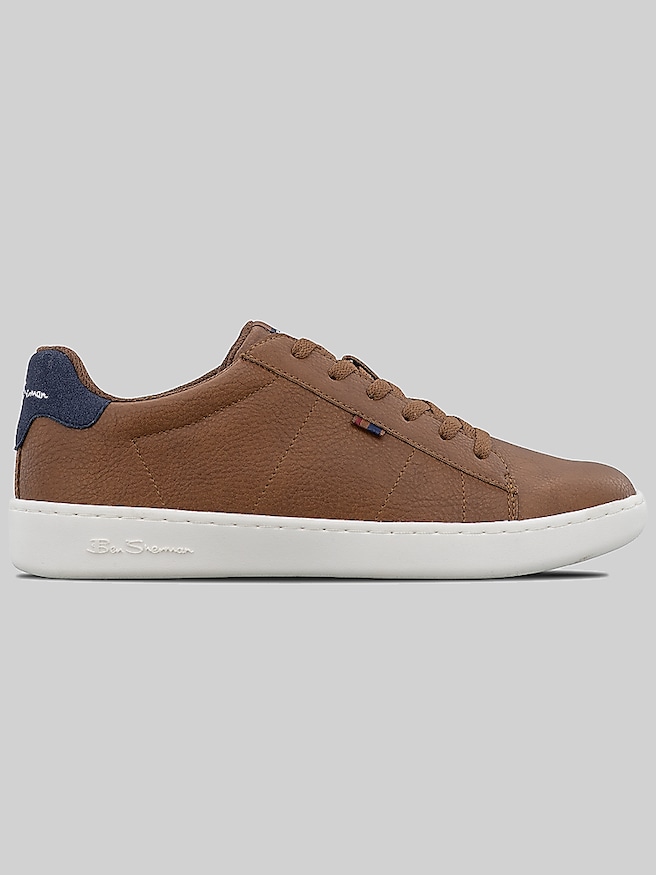
Traditional dress-shoe details take on a more relaxed character when a shaped upper meets a lightweight, cushioned sole. The result is footwear that can look at home beneath tailored trousers without feeling visually tied to a full suit. Wingtip patterns, small decorative perforations, and neatly stitched panels give these shoes their familiar dressy character, while an athletic-inspired sole adds a contemporary edge. Depending on the design, that sole may be understated and tonal or more noticeable against the upper. A low-contrast combination tends to blend into an office outfit; a contrasting sole makes the same general silhouette feel more casual. These distinctions matter when the day includes a train ride, a presentation, and dinner afterward. The shoe needs to complement the clothing across those settings, not simply look right while standing still in front of a mirror. With navy or charcoal tailoring, smooth leather and restrained detailing create a composed finish. With chinos, an open-collar shirt, and an unstructured jacket, a textured upper or visible sole can help the outfit feel less formal. Dark jeans with a clean hem also work well with dress-casual lace-ups, especially when the shoe has a rounded rather than sharply elongated toe. Trouser length makes a difference: a hem that rests lightly near the top of the shoe lets its shape show without fabric bunching over the laces. For outfits that call for a darker, more traditional foundation, Black Classic Shoes offer another direction to consider. Hybrid dress shoes are especially relevant for office schedules, conference days, graduation celebrations, and wedding guest outfits where polished appearance and everyday practicality both matter. They do not automatically replace a conventional formal shoe for every dress code, though. An event calling for tuxedo attire may require a more traditional choice, while business-casual settings usually leave greater room for a cushioned, sport-influenced profile.
Materials influence both the appearance of a shoe and the way it settles into regular wear. Smooth leather provides a defined surface that can develop natural creasing where the foot bends, while suede has a softer visual texture that pairs easily with less structured clothing. Textile components, when used, can introduce a lighter feel or more flexibility, although breathability depends on the complete construction rather than the upper alone. Linings, seams, padding, and the shape of the footbed all affect how a pair feels over several hours. Cushioning can soften the sensation of each step, but softness by itself does not establish a good fit. A foot sliding forward inside an overly roomy shoe may still feel uncomfortable, even with generous padding underneath. A secure heel, room for the toes to move, and an upper that holds the midfoot without pressing tightly across it are more useful signs of a suitable shape. The widest part of the foot should sit comfortably within the widest part of the shoe, with enough space ahead of the toes to avoid contact during walking. Lace-up construction allows some adjustment across the instep, which can be helpful when one foot is slightly fuller than the other. The socks worn with the shoes matter, too: a thin dress sock and a thicker casual sock can noticeably change the fit of the same pair. For someone who uses an orthotic, a removable footbed may be useful, but sufficient interior depth is equally important. A brief walk on a clean indoor surface can reveal heel movement, toe pressure, or a seam that rubs. Leather may become more supple with use, but a painful pinch should not be treated as a necessary break-in stage. Sole design deserves attention as well. Flexibility near the ball of the foot can support a natural stride, while tread pattern and outsole material influence grip and wear. Lightweight construction can be appealing for a commute or a day moving between meeting rooms, but it does not make a dress-casual shoe a substitute for athletic footwear.
Lasting appearance depends on care that suits the material rather than a single treatment used across every surface. For smooth leather, removing loose dust before applying an appropriate conditioner or polish helps keep grit from being worked into the finish. Products should be suitable for the leather’s treatment and tested discreetly, since some finishes respond poorly to oils or waxes. Suede calls for its own brush and cleaning products; conventional leather polish can flatten the nap and change the surface. Textile panels and exposed foam also need care consistent with the maker’s instructions, especially where glue, coatings, or mixed materials are involved. A soft cloth and gentle cleaning are generally a better starting point than aggressive scrubbing. Shoes that become damp through ordinary wear should dry naturally away from direct heat. Shoe trees can help leather uppers retain their shape between outings, and allowing a pair to air out before wearing it again helps manage moisture inside. Rotation is useful for someone who relies on dress-casual footwear most workdays, giving each pair time to dry fully rather than keeping it in constant use. Durability also depends on matching the shoe to the task. Walking between offices and attending a reception place different demands on footwear than running, carrying heavy equipment, or spending a shift on abrasive flooring. Heel edges, flex points, stitching, and outsole tread are sensible places to watch for wear. Some lightweight constructions are not designed for traditional resoling, so repair possibilities depend on how the upper and sole are joined. For gifting, cushioned dress shoes can suit a graduate building a professional wardrobe, a partner who frequently travels for work, or someone who prefers tailored clothing without an overly formal finish. Familiarity with the recipient’s size, width, and usual style is more valuable than guessing from appearance alone. A well-chosen pair should fit naturally into the wearer’s routine: presentable at a morning meeting, comfortable enough for the walk to lunch, and easy to coordinate with the clothes already in the closet.