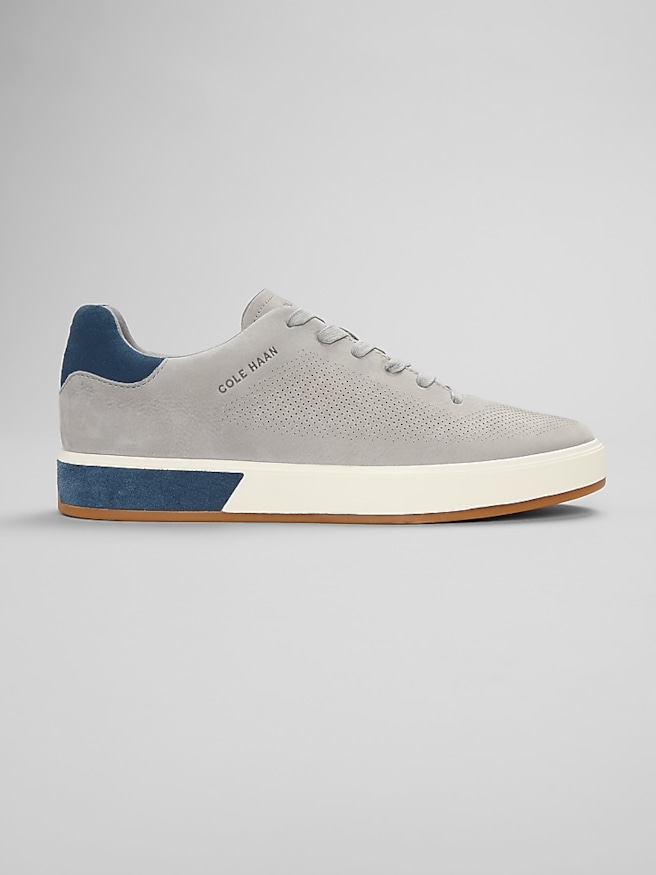
Classic sneakers are casual shoes defined by familiar silhouettes, restrained detailing, and styling that stays useful beyond a passing trend. Their roots often trace to tennis, basketball, and track footwear, but their everyday appeal comes from simple proportions and easy coordination with clothing. A rounded toe, a straightforward lace closure, and a rubber sole create a recognizable foundation, whether the upper is smooth leather, textured suede, or woven canvas. Low-top shapes leave the ankle visible and sit neatly beneath straight-leg jeans or tapered chinos; higher collars create a stronger visual presence and work well with more relaxed pants. White, black, navy, gray, and off-white offer versatile starting points, while a contrasting heel panel or gum-colored outsole adds character without dominating an outfit. Classic does not have to mean completely plain: tonal stitching, small perforations, layered panels, and subtle texture can give a sneaker depth while preserving its understated appearance. The distinction is usually balance rather than a particular color or construction. These are shoes that can feel at home with denim and a T-shirt, then look equally considered with chinos and an unstructured jacket. For an office with a casual dress code, a clean, low-profile pair can complement a knit polo and tailored pants without making the outfit feel overly formal. For dinner or a birthday gathering, dark denim with a tidy hem gives the shoe a clear outline and keeps the overall look intentional. Pants that pool heavily over the upper can hide those proportions, whereas a slight break lets the shape show. Minimal leather sneakers can also work with relaxed tailoring where the occasion allows, though they do not replace dress shoes for every setting. Much of their lasting appeal lies in that flexibility: they provide a familiar, approachable finish for people who prefer a small, coordinated wardrobe as well as those who enjoy mixing tailored and casual pieces.
Materials influence how classic sneakers look, feel, and hold up to repeated wear. Smooth leather generally has a more polished surface and can soften with use, although its flexibility depends on the hide, finish, and construction. Suede brings a soft, matte texture that pairs naturally with denim and cotton twill, but its nap needs more attentive cleaning to stay even. Canvas has a distinctly casual appearance and often feels less structured, while mesh panels may improve airflow in designs inspired by running shoes. None of these materials alone determines comfort or longevity; lining quality, seam placement, sole construction, and fit matter just as much. A well-fitting sneaker should hold the heel securely without pinching, leave room for the toes to move, and feel comfortable across the widest part of the foot. The upper should not press sharply against the little toe or pull tightly across the instep. Trying shoes with the socks normally worn with them gives a more useful impression than judging fit by the size label alone. Feet can vary in width and volume even at the same measured length, and one sneaker shape may suit a foot much better than another. A leather upper may relax slightly, but persistent pressure or a cramped toe box is not something to count on wear to fix. Cushioning also deserves a closer look: a plush footbed can feel pleasant at first step, while a stable base and secure heel help shape the experience over a longer walk. For those who prioritize underfoot support alongside everyday styling, Support Sneakers offers a related category to explore. If an orthotic is part of a daily routine, removable insoles and sufficient interior depth are useful features to consider. Classic sneakers can suit commuting, casual office days, museum visits, and social plans, but heritage athletic styling does not necessarily make a shoe appropriate for running, court sports, or intensive training. Purpose-built athletic footwear is the better match for activities that demand specialized traction, impact management, or lateral stability.
Good care helps preserve the clean lines that make classic sneakers so adaptable. Surface dust and grit are easier to remove before they become embedded around stitching and panel edges, so a gentle brushing or wipe after regular wear can make a noticeable difference. Smooth leather usually responds well to a soft cloth and a cleaner intended for its finish, followed by compatible conditioning when recommended by the manufacturer. Suede calls for a suitable brush and targeted treatment rather than the same approach used on polished leather. Canvas can often be spot-cleaned with a mild solution, but care instructions should determine whether a shoe can tolerate more thorough washing; machine washing can affect adhesives, shape, and finishes. Any cleaning product is best tested on a discreet area first. Let shoes dry naturally away from direct heat, and avoid putting them away while damp. Removing loose debris from the outsole and cleaning the edge of the sole can refresh the appearance without aggressive scrubbing of the upper. Laces deserve attention, too: clean, evenly threaded laces make an otherwise simple sneaker look more finished. Rotating footwear gives linings time to dry between uses, while storing shoes with enough space around them helps prevent crushed heel counters and misshapen uppers. Durability is partly a matter of matching construction to routine. Frequent pavement walking places repeated demands on outsole rubber and heel cushioning; occasional office wear may put more emphasis on keeping the upper free of scuffs. Visible tread wear, a collapsed heel lining, or cushioning that no longer feels comfortable can signal that a pair is no longer serving its intended purpose, even if the exterior still looks presentable. As a gift, classic sneakers can be a thoughtful choice for a graduate building a work wardrobe, a partner who favors simple everyday clothing, or someone who appreciates practical birthday gifts. Knowing the recipient’s usual size, preferred width, and favorite silhouette matters more than choosing a dramatic design. Familiar colors and comfortable proportions tend to earn repeat wear, giving these understated shoes their place in an everyday wardrobe.