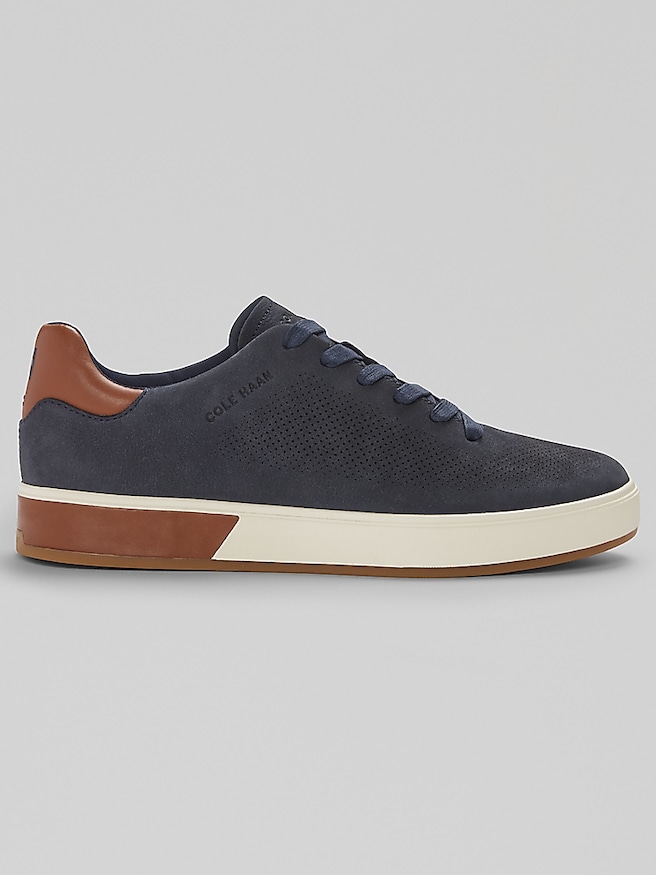
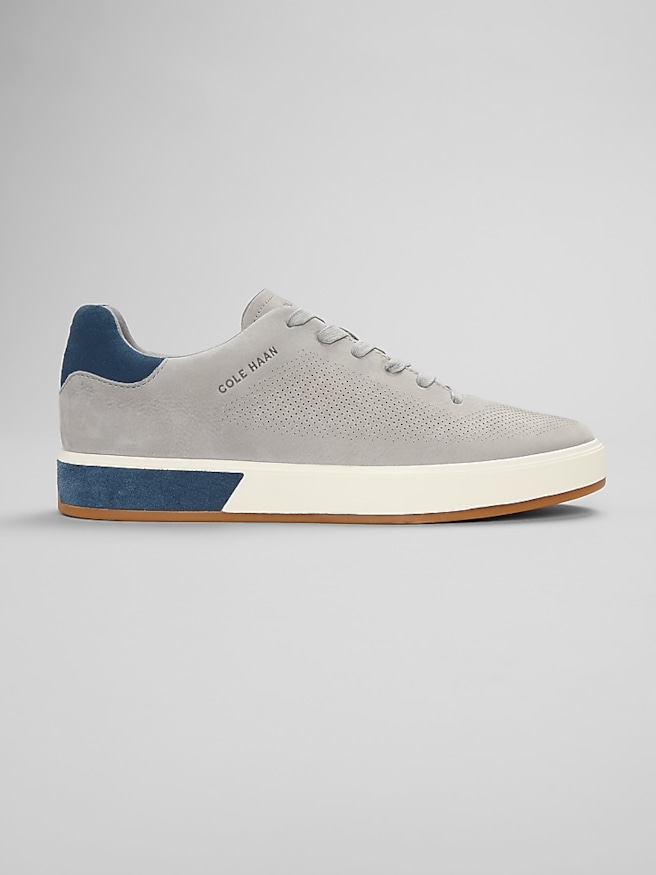
Support sneakers combine cushioning with structural features that help the foot feel secure during everyday movement. While a soft footbed provides an immediate sense of comfort, support also comes from the shape of the shoe, the firmness of the midsole, and the way the heel and upper hold the foot. A firm heel counter, the reinforced area around the back of the shoe, can help limit excess heel movement. A stable base provides a steady platform underfoot, while an appropriately shaped arch contour distributes contact along the bottom of the foot without creating an uncomfortable pressure point. These details matter on a walk to the train, through an afternoon of errands, or during a workday that involves frequent standing. Cushioning and stability are related, but they are not interchangeable: an especially plush shoe may feel comfortable at first without providing the secure fit someone prefers for longer stretches on their feet. Foam midsoles vary in firmness and responsiveness, and a balanced feel often matters more than maximum softness. Outsole construction contributes to the experience as well. Rubber coverage can improve durability in high-contact areas, while tread patterns influence grip on the surfaces a shoe is designed to handle. No outsole provides dependable traction on every surface, and everyday sneakers should not be assumed to have the slip-resistant properties required for a particular workplace. Flexibility is another part of the balance. A walking shoe generally benefits from bending near the ball of the foot while maintaining enough structure elsewhere to avoid feeling flimsy. Together, these features make supportive sneakers useful for people whose routines move between sidewalks, office corridors, travel terminals, and time spent standing. The most suitable level of structure depends on the individual foot and the intended activity, rather than a single feature or a claim of extra cushioning. Everyday support also differs from sport-specific performance, so a comfortable walking sneaker is not automatically appropriate for distance running, court sports, or other activities with specialized footwear demands.
Fit determines how well those construction details work in practice. Support sneakers should feel secure through the heel and midfoot, with enough room at the front for toes to rest naturally rather than overlap or press against the upper. A small amount of space beyond the longest toe accommodates normal movement, but excessive length can allow the foot to slide. Width is equally important: pressure across the forefoot is not necessarily solved by choosing a longer shoe, and an overly roomy fit can make the laces work harder than they should. Feet can change in size over time, and one foot may be slightly larger than the other, making actual measurements more useful than habit alone. Trying footwear with the socks intended for regular wear gives a more realistic sense of volume and comfort. Lacing also affects the fit, drawing the upper around the foot without requiring a tight squeeze across the instep. Materials influence that balance between structure and ease. Mesh and knit uppers can offer airflow and flexibility, while leather and synthetic overlays can add reinforcement in areas that benefit from a more defined shape. An unstructured knit may feel accommodating, but stretch alone does not establish support. Likewise, a substantial leather upper does not guarantee a comfortable arch or a stable platform. Smooth interior seams, a padded collar, and a tongue that stays comfortably positioned can make a noticeable difference during extended wear. For someone who uses a prescribed orthotic, a removable footbed and sufficient interior depth may be important, though compatibility depends on the shoe and the device. Stacking an additional insert over an existing footbed can crowd the toes or lift the heel too high. A supportive fit should feel comfortable without depending on a long break-in period to resolve pinching, slipping, or concentrated pressure. Persistent discomfort calls for individual advice from a qualified healthcare professional rather than a stronger promise from a shoe.
The appeal of supportive sneakers extends beyond their construction. Clean lines, understated panels, and restrained colors can make everyday footwear easier to coordinate with jeans, chinos, and casual trousers. Where the dress code permits sneakers, a streamlined profile can sit comfortably alongside an unstructured jacket or a knit polo without making the outfit feel overly athletic. More textured uppers and pronounced soles bring a sportier character to relaxed clothing. Intended use remains important even when appearance is the first draw: someone who walks several blocks between appointments may value secure heel hold, while a frequent traveler may appreciate a combination of cushioning, manageable weight, and an upper that does not feel restrictive. Support sneakers can also make a thoughtful gift for someone who enjoys neighborhood walks, spends considerable time on their feet, or prefers practical additions to an everyday wardrobe. When considering Gift Sneakers for a birthday, graduation, or thank-you present, knowing the recipient's preferred width, usual activities, and fit preferences makes the choice more personal. Everyday care helps preserve both appearance and function. Dust and loose grit are best removed before they work into textured fabrics or collect along seams. Cleaning methods should follow the footwear's care instructions, since leather, knit, mesh, and synthetic materials can respond differently to water and cleaning agents. Gentle spot cleaning is often more appropriate than machine washing, and air drying away from direct heat helps protect adhesives and material shape. Allowing shoes to dry fully between wears keeps moisture from lingering inside. Over time, outsole wear, compressed cushioning, and a misshapen heel can change how a pair feels even when the upper still looks presentable. Uneven wear does not diagnose a foot problem, but a noticeable loss of comfort or stability deserves attention. Well-chosen supportive footwear brings together fit, dependable construction, and an appearance that works with the wearer's routine, making it easier to reach for the same comfortable pair throughout an ordinary day.