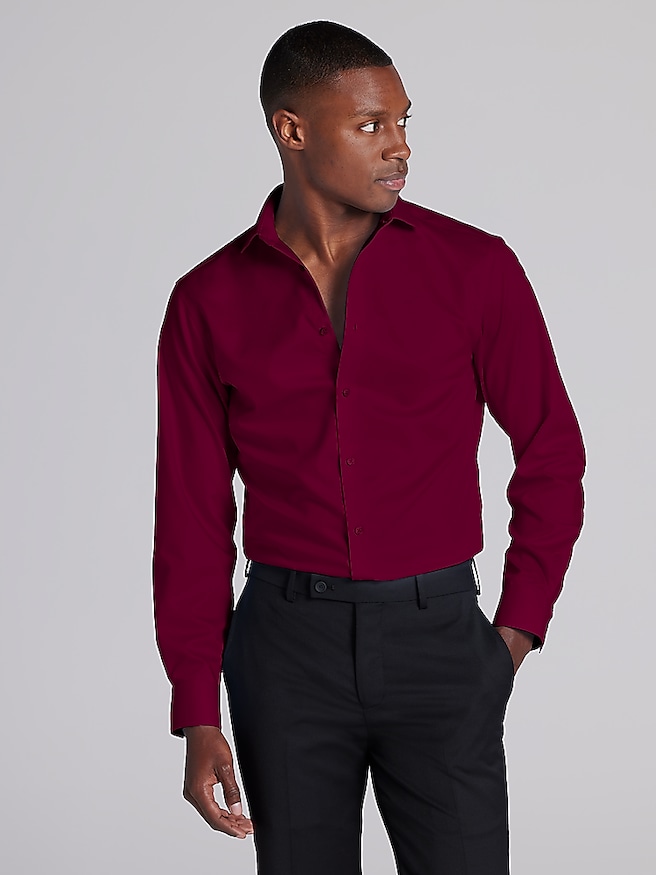
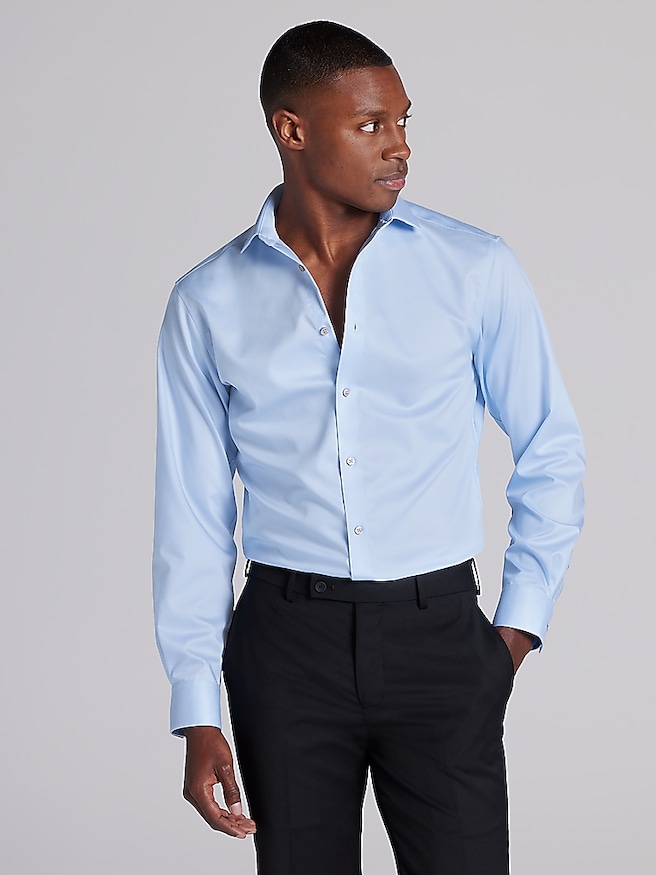
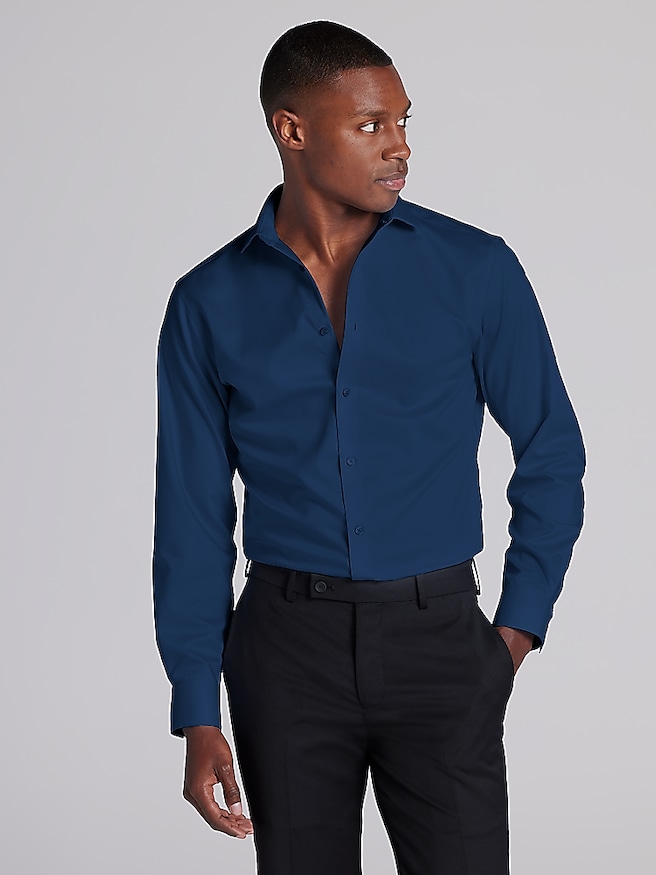
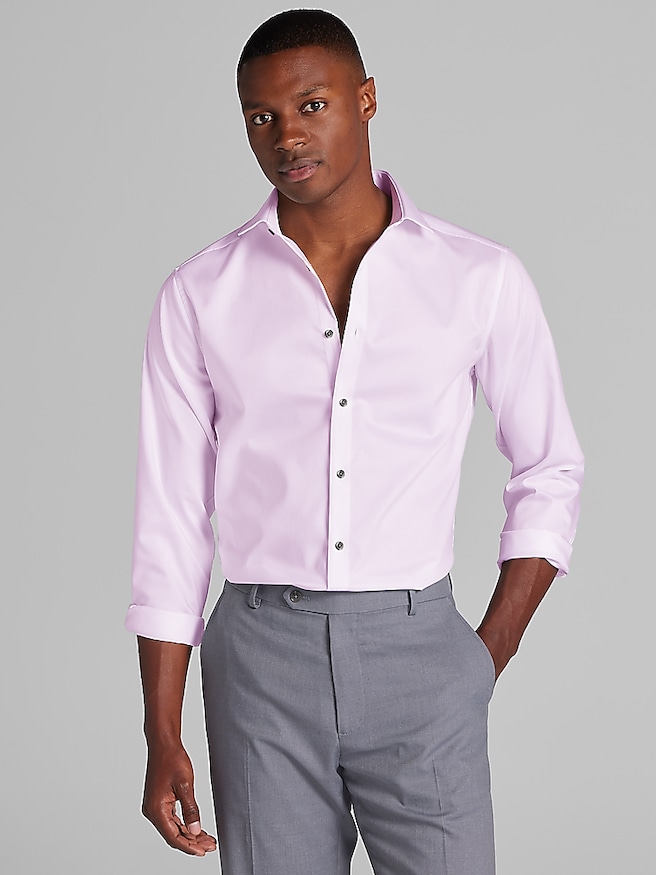
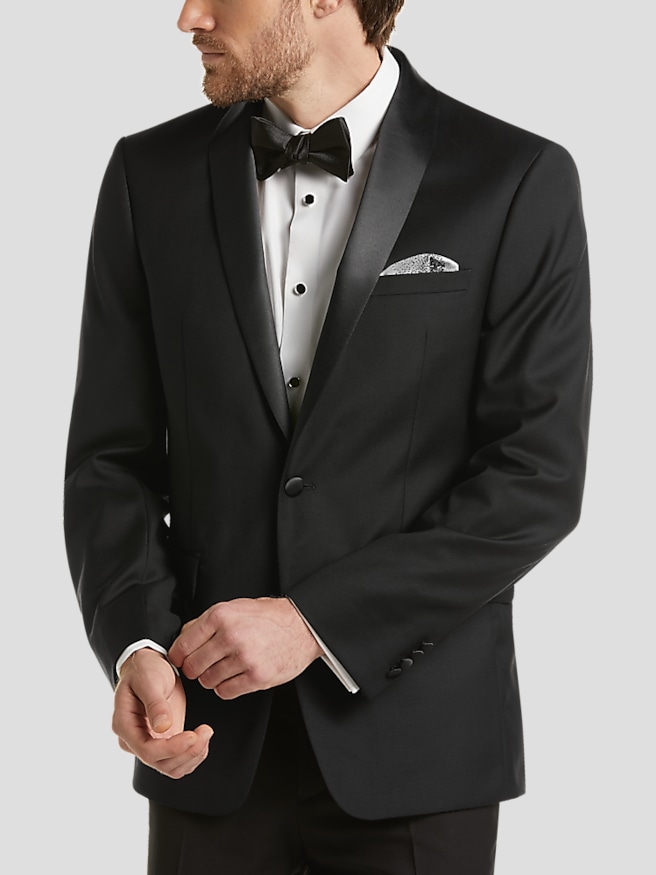
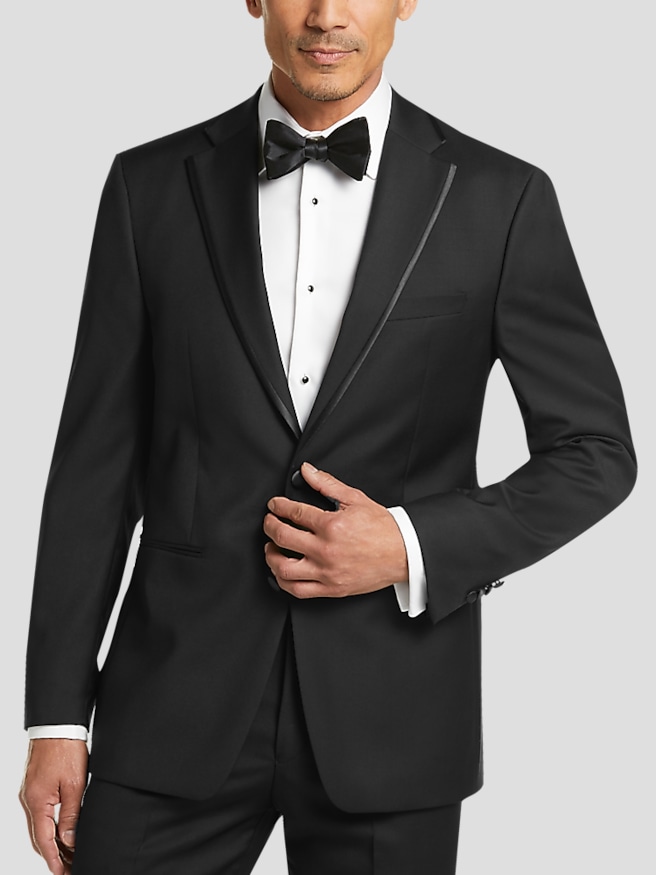
Official wear for guys generally means tailored clothing for occasions that call for a polished, structured appearance, from business formal suits to tuxedos and traditional evening dress. The right level of formality depends on the invitation, workplace expectations, and the role of the person wearing it. A navy or charcoal suit with a light dress shirt, a restrained necktie, and leather dress shoes is a familiar foundation for important presentations, interviews, ceremonies, and many weddings. Matching jacket and trouser fabric gives a suit its cohesive appearance, while a crisp collar and neatly finished cuffs keep the outfit looking intentional up close. Cocktail attire allows more room for texture, color, and personal expression, though a dark suit remains a dependable starting point when the setting is dressy. Black tie is more specific: a black or midnight blue tuxedo, a white formal shirt, a black bow tie, and polished formal shoes create the traditional look. Satin or grosgrain lapel facings and a coordinating stripe along the trousers distinguish a tuxedo from an ordinary dark suit. A cummerbund or formal waistcoat may complete the ensemble, depending on the jacket style and event expectations. White tie represents the most formal evening dress code and traditionally includes a black tailcoat, matching formal trousers, a white piqué waistcoat, a white bow tie, and a formal white shirt with a wing collar. These distinctions matter because a boardroom presentation and a black-tie wedding can both call for official attire without calling for the same outfit. For occasions with less prescriptive expectations, Classic Attire For Men offers a related perspective on enduring wardrobe foundations. Across these settings, the strongest impression comes from clothing that respects the occasion without distracting from the wearer. Clean proportions, coordinated fabrics, and understated finishing details help create that balance, whether the day involves speaking at a lectern, greeting guests, or sitting across from a prospective employer.
Fabric and fit shape how formal clothing looks in motion, not just how it appears on a hanger. Wool is widely used for suits because its natural resilience helps fabric recover from light creasing, while its drape supports a smooth line through the jacket and trousers. Worsted wool has a clean surface suited to business and dress occasions; fabrics with a more visible weave bring subtle depth without relying on bold patterns. Wool blends can combine that tailored appearance with other performance characteristics, but the fiber content, weave, and construction all influence the result. A small amount of stretch may add ease when reaching forward or sitting through a long ceremony, though it does not replace adequate room through the shoulders, seat, and thighs. Finer fibers can feel soft and refined, but fineness alone is not a measure of durability. For frequent use, a balanced fabric with good recovery and a substantial feel may be more practical than a particularly delicate cloth. Cotton dress shirts offer a crisp finish, with smooth poplin creating a clean backdrop for a tie and twill adding a subtle diagonal texture. The shirt collar should sit comfortably when fastened rather than pressing into the neck or leaving an obvious gap. Jacket shoulders should follow the natural shoulder line without extending outward or pulling inward, and the lapels should lie flat against the chest. A buttoned jacket should look smooth rather than forming pronounced tension lines around the closure. About a quarter to half an inch of shirt cuff can show below the jacket sleeve, depending on personal proportions and preference. Trousers should sit securely at the intended waist position and fall cleanly over the shoes; a slight break is traditional, while little or no break creates a sharper outline. Slim, tailored, and classic fits describe general silhouettes rather than a universal standard. A comfortable fit allows the wearer to sit, walk, shake hands, and lift a glass without repeatedly adjusting the jacket or waistband.
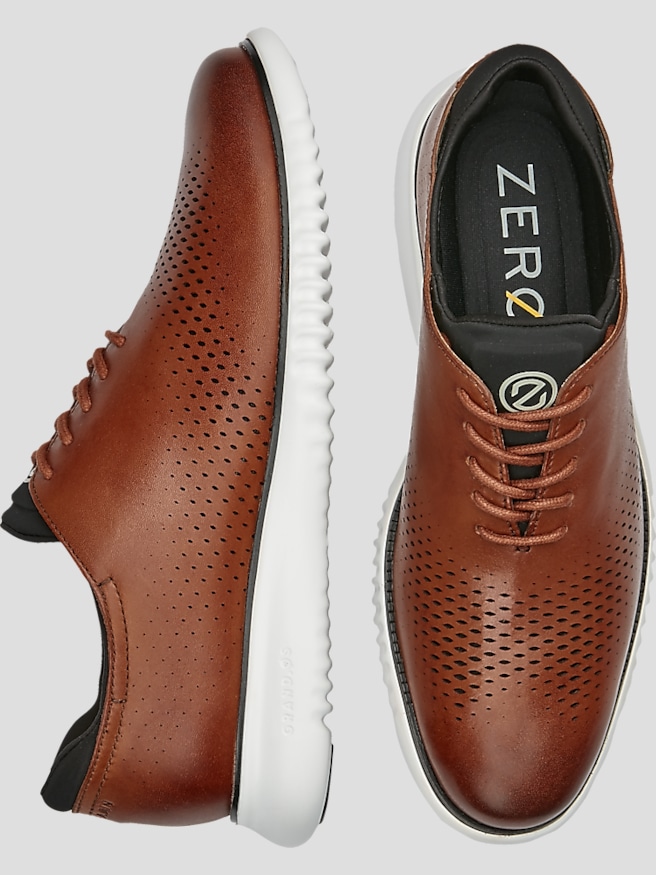
The finishing pieces work best when they support the overall formality rather than compete for attention. Black leather lace-up shoes pair naturally with charcoal suits and traditional evening attire, while dark brown leather can complement navy in many business and social settings. Closed-lacing oxfords have an especially clean profile, and patent leather provides the glossy finish associated with formal evening dress. With a suit, a belt that coordinates with the shoes creates a tidy transition at the waist; traditional tuxedo trousers typically use side adjusters or suspenders rather than a visible belt. Socks long enough to cover the leg when seated help preserve an uninterrupted trouser line. A pocket square can add contrast without duplicating the tie exactly, and cufflinks belong with shirt cuffs designed to accommodate them. These small details become noticeable in close conversation and photographs, making restraint useful when the clothing itself already has a strong presence. Care is equally important to the lasting appearance of formalwear. The sewn-in care label should determine cleaning methods, especially for structured jackets, decorative facings, and blended fabrics. Airing a suit after wear, gently brushing away surface dust, and placing the jacket on a broad, supportive hanger help maintain its shape between cleanings. Trousers benefit from careful hanging along their crease, and pockets should be emptied before storage so keys and other heavy objects do not distort the fabric. Excessive heat or direct ironing can leave shine on dark cloth; professional pressing is useful when the fabric or construction requires special handling. Dress shirts need particular attention at collars and cuffs, where daily wear becomes visible first. Letting shoes dry naturally after wear and using suitable shoe trees can help preserve their shape. For someone building a professional wardrobe, preparing for graduation, or attending milestone celebrations, formal clothing can also make a thoughtful gift when measurements and preferences are known. Accessories allow more flexibility when sizing is uncertain, while tailored garments benefit from an opportunity to confirm fit. With appropriate care and considered proportions, official attire can serve many meaningful occasions without needing an elaborate combination of pieces.