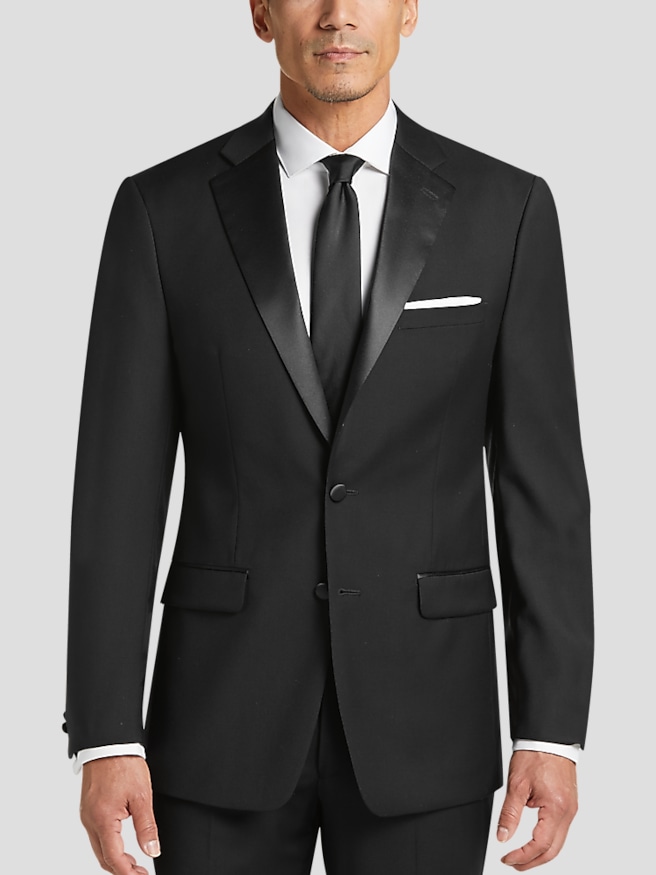
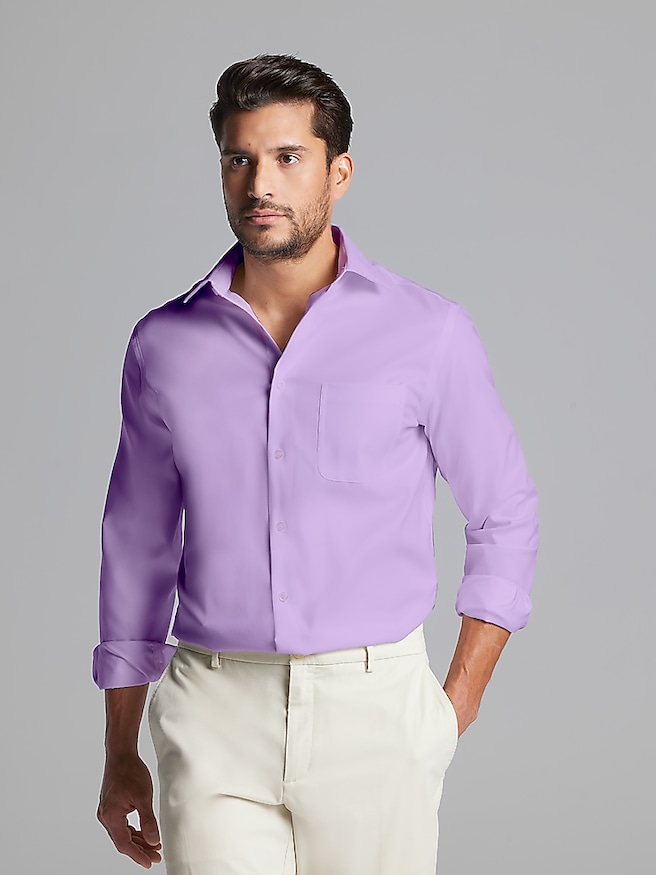
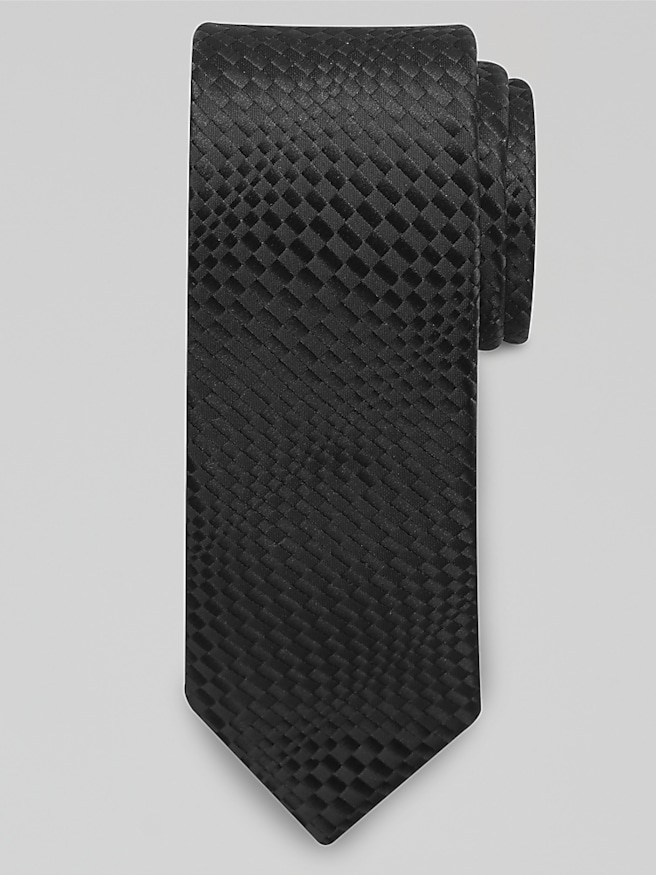
For a formal office party, a silk or silk-blend necktie in navy, charcoal, deep burgundy, or another grounded color is a dependable complement to a tailored suit and a crisp dress shirt. A solid color, small woven motif, restrained stripe, or subtle geometric pattern gives the outfit distinction without competing with the professional setting. Office party formal ties sit between everyday business accessories and more expressive occasion wear: polished enough for a seated dinner, an awards presentation, or a reception with senior leadership, yet comfortable alongside familiar colleagues. The fabric makes a noticeable difference. Silk offers a smooth hand, rich color, and a natural luster that adds depth under indoor lighting. Silk blends vary in softness and sheen according to their fiber content, while polyester can provide a smooth appearance with practical durability. Satin describes a weave rather than a fiber, so a satin tie may be made from silk or a synthetic material; its smooth surface generally reflects more light than a textured weave. Jacquard construction creates patterns within the fabric itself, adding dimension that can remain understated from across a room. Fine texture is particularly effective with a plain shirt, where the weave has space to show without making the outfit feel busy. Cotton and linen ties often have a more relaxed character, making smoother, finer fabrics a stronger match for a distinctly formal business event. Deep green, muted silver, and tonal blue can also work well when they complement the suit rather than dominate it. A dark background with a small, evenly spaced design provides visual interest in conversation and looks composed in group photographs. The invitation still sets the standard: business formal usually points toward a suit and necktie, while black tie generally calls for a tuxedo and black bow tie. That distinction helps keep an office celebration outfit appropriately dressed rather than simply more decorative. The strongest choice feels intentional, with color, texture, and formality working together instead of relying on shine alone.
Proportion gives a formal tie much of its polish. The blade should generally relate to the jacket lapels and the wearer’s frame, creating a balanced line down the front of the shirt. A very narrow tie against broad lapels can look disconnected, while an especially wide blade may overwhelm a trim jacket. Length matters just as much: with the knot finished and the shirt tucked in, the front tip should reach approximately the waistband or the middle of the belt buckle. Taller wearers, broader neck measurements, and fuller knots may require extra tie length to achieve that finish without leaving the narrow end awkwardly short. The knot should sit neatly against the collar, with no visible gap beneath it. A four-in-hand creates a slightly asymmetrical shape that works well with many point collars, while a half-Windsor provides a more symmetrical knot with enough presence for many moderately spread collars. Fabric thickness affects the result; a substantial jacquard can form a larger knot than a light, smooth silk, even when both are tied the same way. A small dimple below the knot can add shape without looking overly arranged. Coordination is most convincing when there is a clear focal point. With a charcoal suit and white shirt, a burgundy tie brings depth without looking loud. With a navy suit and pale blue shirt, a restrained silver or dark blue pattern can provide separation while keeping the palette cohesive. If the shirt has stripes or checks, a solid tie or a pattern at a noticeably different scale is easier to distinguish. A pocket square does not need to repeat the tie exactly; a simple white fold often supplies enough contrast. For company celebrations with a festive dress code, coordinating the tie with Holiday Party Formal Attire keeps the complete outfit in view. A restrained tie can carry that sense of occasion without novelty graphics, oversized motifs, or an excessively glossy finish.
A well-made formal necktie should drape smoothly, form a clean knot, and return to a reasonably straight shape after careful wear. The outer fabric, lining, and construction all influence how it hangs, so softness alone does not tell the whole story. A tie with suitable structure holds its shape without feeling stiff, while tidy edges and secure stitching help it stand up to repeated use. Silk rewards gentle handling, particularly around food and drinks, because rubbing a spill can spread the mark or disturb the surface. Care instructions should determine the cleaning method; many silk ties require professional cleaning, and washable synthetic styles still need the treatment specified on their labels. Blotting a fresh spill gently with a clean cloth is preferable to scrubbing, and untested cleaning products can leave discoloration or water marks. After an event, carefully reversing the tying steps puts less strain on the fabric than pulling the narrow end through a tightened knot. Hanging the tie on a smooth rack or loosely rolling it after any creases have relaxed helps preserve its shape between occasions. Direct heat and heavy pressing can flatten texture or create unwanted shine, so any steaming or pressing should follow the fabric’s care directions. For travel to a company dinner or conference reception, a tie case or a loose roll protected from pressure helps reduce hard folds in a packed bag. These details matter for someone who attends formal work functions regularly, but they are equally useful for a tie worn only a few times each year. An understated formal tie can also make a thoughtful gift for a recent graduate, a colleague marking a promotion, or someone building a professional wardrobe. Familiar suit colors, preferred patterns, and the wearer’s usual tie length offer better clues than choosing the boldest design. Navy, burgundy, and subtle woven patterns are versatile starting points, with enough character for a celebration and enough restraint for presentations or important meetings. The lasting appeal comes from that balance: an accessory that marks the occasion while remaining useful well beyond a single office party.