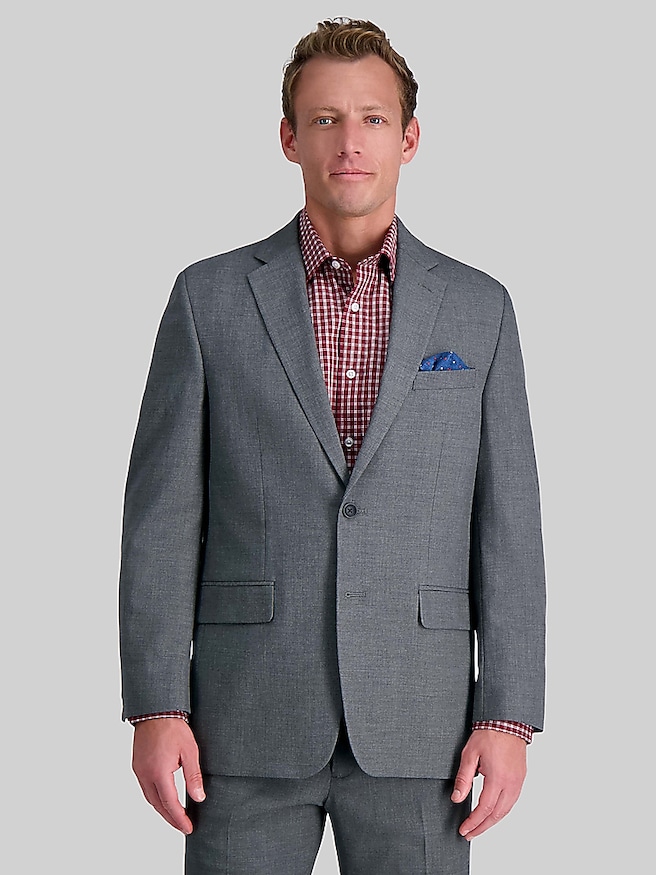
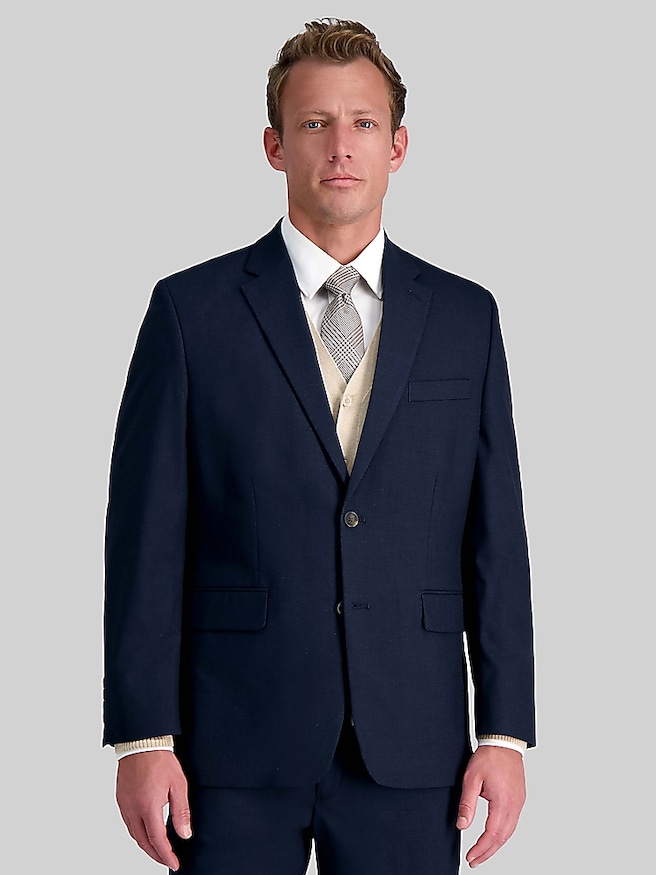
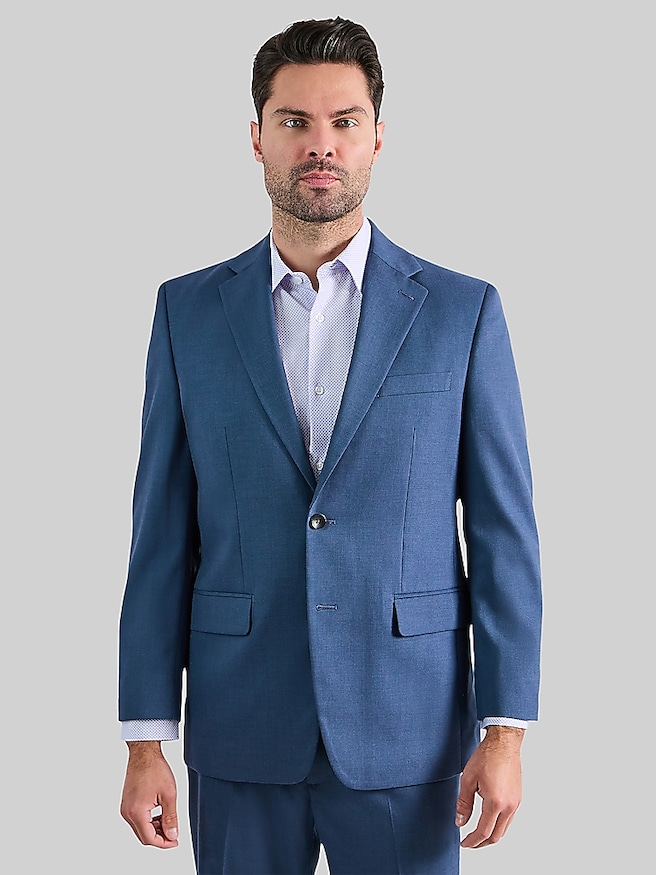
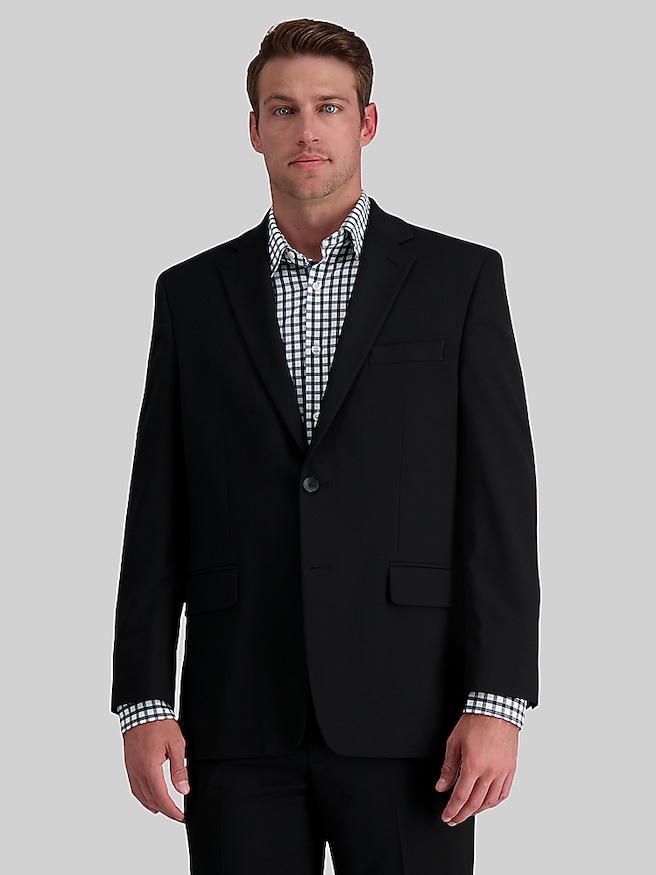
An office party formal jacket brings the structure of professional tailoring to a setting with a little more room for personality. It can make a familiar dress shirt and trousers feel appropriate for an awards dinner, a company anniversary celebration, or an evening reception with colleagues and clients. The right level of formality depends on the invitation and venue: a tailored suit jacket belongs with its matching trousers for a cohesive business-formal look, while a tuxedo jacket is appropriate when black tie is specified. For a cocktail-attire office event, a refined dinner jacket or dressy tailored separate can offer a more expressive approach without looking disconnected from the workplace. Black, navy, and charcoal provide an understated foundation, while deep burgundy or a subtle tonal pattern can add character when the dress code allows. Lapels help establish the mood. Notch lapels have a familiar, versatile appearance; peak lapels create a stronger line across the chest; and shawl collars are closely associated with eveningwear. Satin or grosgrain facings give a tuxedo jacket its distinctive contrast and generally call for equally formal accompanying pieces. Picture the difference between a team gathering in a private restaurant dining room and a company gala in a ballroom: both invite polished dressing, but the jacket should reflect the setting rather than compete with it. A matte wool jacket with a white shirt and restrained tie can look composed at the restaurant, while coordinated tuxedo attire suits the ballroom when the invitation calls for black tie. Details such as pocket styling, button finish, and surface texture also affect the overall impression. Flap pockets feel familiar on business tailoring, while streamlined jetted pockets often appear on evening jackets. The most useful office party formal jacket is one that fits the occasion clearly, feels natural on the wearer, and looks as considered during a seated conversation as it does in a group photograph.
Fabric and construction shape how a formal jacket looks, moves, and holds up through repeated wear. Wool is a common choice because it drapes cleanly, offers natural resilience, and can recover from light creasing with time between wears. Fine, smooth wool has a crisp appearance suited to dressier events, while a restrained woven texture can give a tailored separate visual depth without relying on a bold pattern. Wool blends may combine wool’s appearance with other fibers chosen for strength, softness, or stretch; the actual feel and performance depend on the fabric’s composition and construction. Velvet has a plush surface that catches the light, making it an expressive option for an evening celebration where distinctive tailoring is welcome. Its pile also requires more mindful handling than a smooth suiting fabric. A small amount of stretch can make reaching across a table or sitting through dinner more comfortable, but it cannot correct a jacket that is too tight through the chest or upper arms. Fit begins at the shoulders, where the jacket should follow the wearer’s natural outline without pronounced overhang or tension. With the front fastened, the lapels should lie smoothly and the fabric around the button should not pull into a sharp X. There should be enough room for the intended shirt, along with comfortable movement when greeting someone or lifting a glass. Sleeve length typically allows a narrow edge of shirt cuff to show, and the collar should sit close to the shirt collar rather than stand away from it. Slim, modern, and classic fit labels are useful starting points, but their proportions vary, so the actual shoulder, chest, waist, and sleeve measurements matter more than the name. Jacket length should balance the torso and trousers, with the hem generally covering the seat on traditional tailored styles. Clean sleeve setting, even seams, a smooth lining, and securely attached buttons are practical signs to examine. Together, these details help a jacket maintain a composed silhouette without making a long evening feel restrictive.
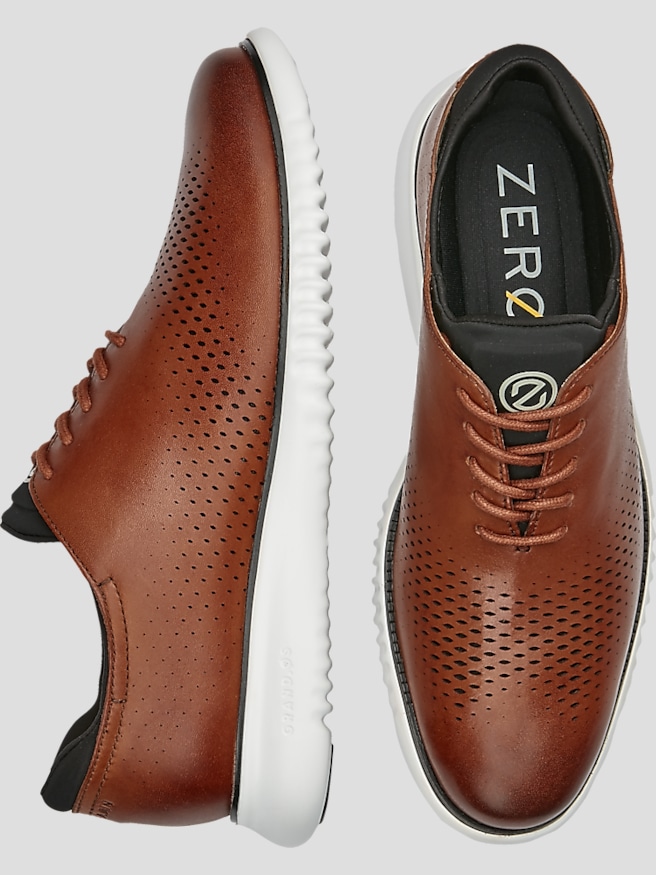
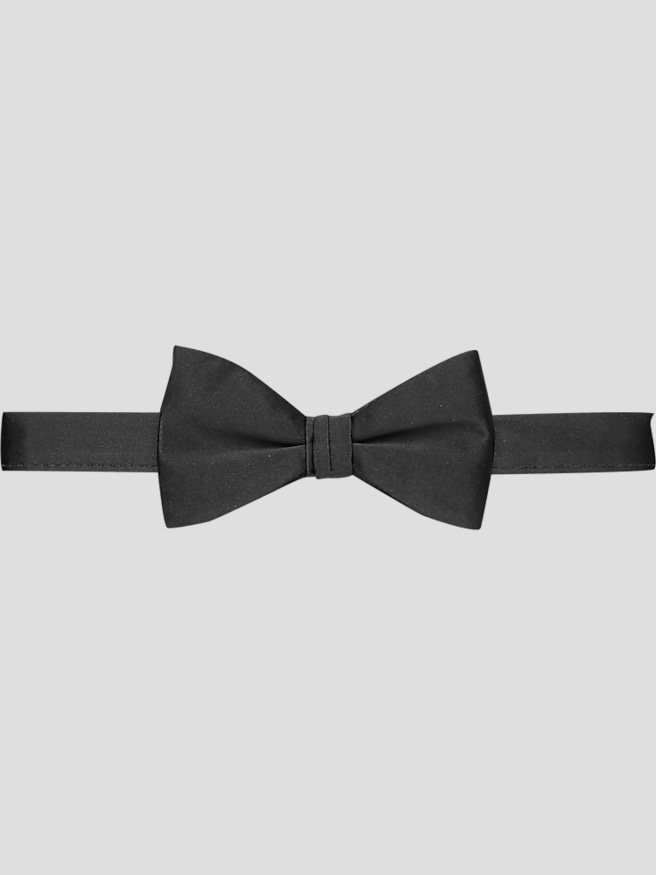
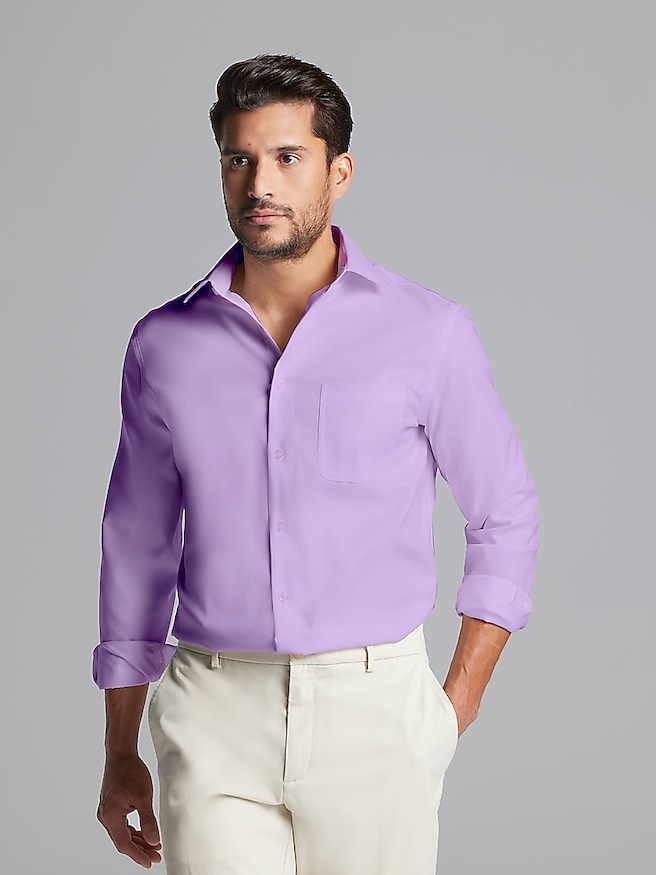
The pieces worn with an office party formal jacket should support its level of formality rather than introduce competing signals. Matching trousers create the cleanest foundation for a suit, and a tuxedo jacket is generally paired with coordinating formal trousers, an appropriate formal shirt, and a bow tie for black tie. Tailored separates allow more flexibility at cocktail-attire gatherings, provided the trouser fabric and finish look deliberate beside the jacket. A smooth navy jacket with gray dress trousers, for example, has a clear contrast; two almost-matching dark fabrics can look like an incomplete suit. A crisp white or pale blue dress shirt keeps attention on the tailoring, while polished leather footwear completes the line from jacket to trouser hem. For a dress code that calls for a necktie, the Office Party Formal Tie page offers a focused complement to jacket selection. Tie width should look balanced with the lapels, and a pocket square can add contrast without duplicating the tie’s pattern exactly. Keeping keys, phones, and bulky wallets out of the outer pockets helps preserve the jacket’s shape, particularly in photographs or while standing for introductions. After the event, empty the pockets and place the jacket on a broad, shaped hanger with space around it. Follow the care label for cleaning, pressing, and stain treatment; wool tailoring, velvet, decorative facings, and structured interiors may require distinct handling. Repeated cleaning without need can be hard on fabric and finishes, so address spills promptly with appropriate professional advice rather than rubbing the surface or applying an untested household treatment. A breathable garment bag can help protect the jacket during storage, and avoiding prolonged compression helps lapels and shoulders retain their shape. For someone who regularly attends client receptions, recognition dinners, or company celebrations, a well-chosen formal jacket can become a dependable part of an occasion wardrobe. It can also make a thoughtful gift when the recipient’s measurements, preferred fit, and typical dress codes are known. The lasting value is in tailoring that feels comfortable, suits the setting, and remains useful beyond a single office celebration.