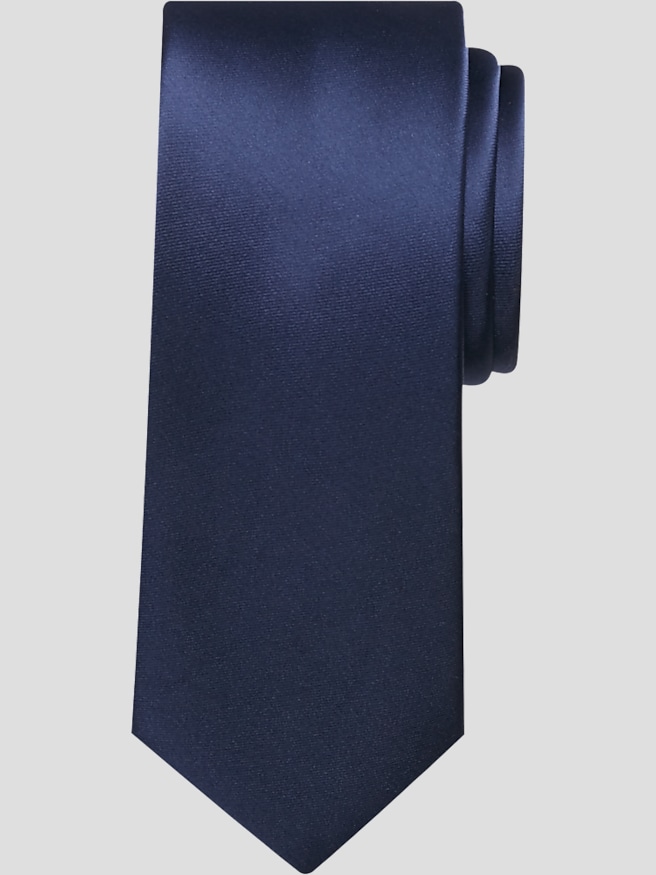
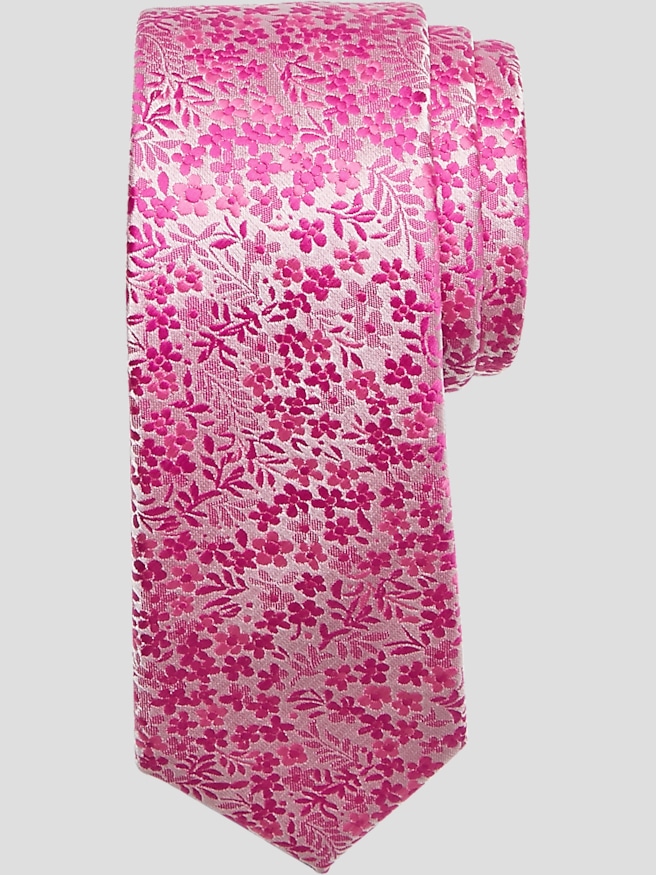
A business party necktie balances professional polish with a celebratory touch, bringing color, texture, or pattern to an outfit without losing the composed appearance expected at a work-related event. It belongs comfortably at client receptions, company dinners, networking gatherings, and achievement celebrations, where the setting feels more social than a typical meeting but still calls for thoughtful dressing. The right effect can come from something as restrained as a deep burgundy tie against a light blue shirt or as expressive as a small paisley pattern beneath a solid navy jacket. Navy, charcoal, wine, and deep green offer versatile foundations, while muted gold, dusty blue, and soft pink accents can add interest without dominating the outfit. Black creates a sharper contrast, especially with a white shirt and a dark suit, though its overall effect depends on the fabric and finish. A matte black tie feels quieter than one with a pronounced sheen. Small geometric motifs, evenly spaced dots, and subtle stripes tend to remain composed from across a room, revealing their detail only during conversation. Florals and paisleys bring more personality, particularly when their colors connect with the shirt or jacket rather than competing with them. For an event that begins with presentations and ends with dinner, a restrained pattern can carry the same outfit through both settings. A solid tie can be equally expressive when its weave adds depth: a fine rib, a pebbled surface, or a softly lustrous finish gives a simple color more dimension. Business party ties do not need novelty motifs to feel festive. Often, a richer shade or a more noticeable texture provides enough distinction from everyday office attire. The overall impression is strongest when the tie looks connected to the rest of the clothing, with one element taking the lead rather than several bold patterns demanding equal attention. That balance leaves room for personal style while respecting the professional relationships in the room.
Fabric and construction shape how a necktie looks, knots, and holds up through repeated wear. Silk is valued for its drape, color depth, and ability to form a defined knot, but silk ties can have very distinct personalities. A woven silk pattern may have a textured, substantial feel, while a printed silk design can offer a smoother surface and finer detail. Satin describes a weave rather than a fiber; its smooth face reflects light, making a satin-finish tie more noticeable under dining-room lighting or in event photographs. Silk blends and synthetic fabrics can also provide attractive color and structure, with care requirements that depend on the full fabric composition. Wool and wool-blend ties contribute a matte, tactile finish that works especially well with textured tailoring, while knitted ties introduce a relaxed character suited to less formal business celebrations. Fabric weight matters as much as appearance. A substantial tie can create a fuller knot, whereas a lighter fabric generally produces a smaller one and may sit more neatly beneath a close-fitting collar. The tie’s interlining, stitching, and finishing influence its body and recovery, helping it hang smoothly rather than twist or collapse. Proportion brings those qualities into focus. Tie width usually looks most balanced when it relates to the jacket’s lapels and the wearer’s overall build, rather than following a narrow measurement in isolation. A trim tie can complement slim lapels, while a broader blade often looks more at home with fuller tailoring. Length matters, too: when tied, the front tip generally reaches the waistband, with enough fabric remaining to secure the narrow end discreetly. Taller wearers or those who prefer a larger knot may benefit from extra length. A four-in-hand knot offers a compact, slightly asymmetrical shape, while a half-Windsor creates a more centered triangle. Neither should overwhelm the collar or pull it out of position. A comfortable fit allows the shirt collar to close properly, keeps the knot seated neatly, and lets the tie fall flat through handshakes, seated conversations, and an evening at the table.
The surrounding outfit determines how dressy a business party necktie feels. A dark suit, crisp shirt, and smooth silk tie create a polished combination for a formal company dinner, while a textured jacket, tailored trousers, and a softly patterned tie can feel more approachable at a team reception. With a checked shirt, a tie featuring a noticeably larger or smaller pattern helps keep the two designs distinct; with a strongly patterned jacket, a solid tie often provides a useful visual resting point. A pocket square can echo an accent color without duplicating the tie’s exact design, giving the combination a more individual appearance. For gatherings with a relaxed dress expectation, Business Casual Neckties offer a related direction for outfits built around less structured tailoring. The event’s stated dress code remains important, since a business celebration can range from a casual reception to a formal evening with specific attire requirements. Practical care helps preserve a tie beyond a single occasion. Untying the knot after wear, rather than pulling the narrow end through a tightened loop, reduces unnecessary stress on the fabric and seams. Hanging or loosely rolling a tie, as appropriate for its construction, gives it space to rest without sharp folds. Food or drink marks deserve prompt attention, but rubbing can spread a stain or disturb the surface; the care label should determine the cleaning method. Direct heat and heavy pressing can flatten texture or leave unwanted shine, particularly on delicate fabrics. Frequent wear also makes careful handling worthwhile: smooth storage, gentle knotting, and protection from snags help maintain a clean appearance. A business party tie can make a thoughtful gift for a promotion, a professional milestone, or someone who regularly attends client events. Familiar colors and patterns are useful clues to the recipient’s taste, while their usual shirt collars and jacket proportions help inform width and fabric choices. A well-considered necktie adds a personal touch without requiring an entirely new outfit, making familiar tailoring feel ready for a meaningful occasion.