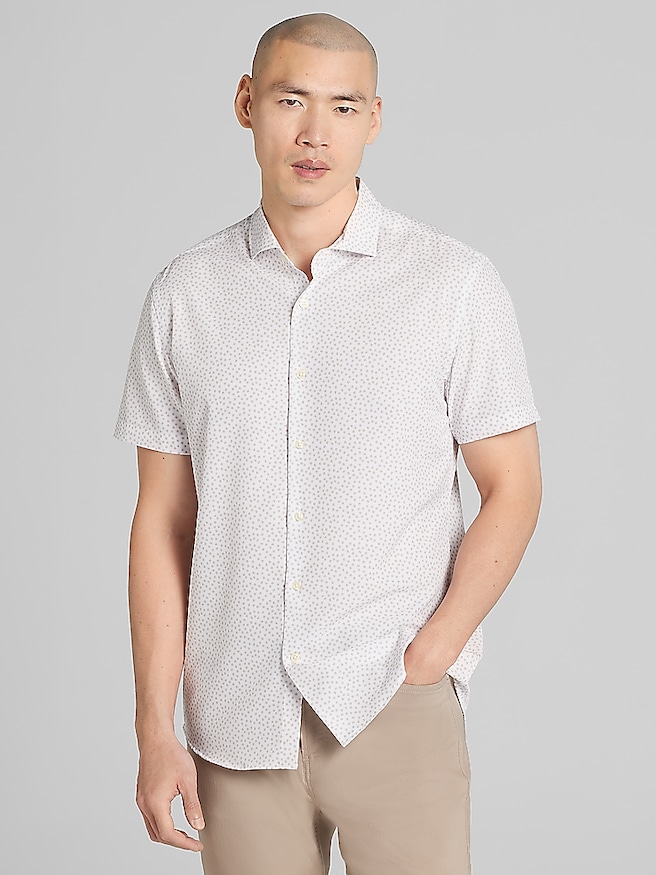
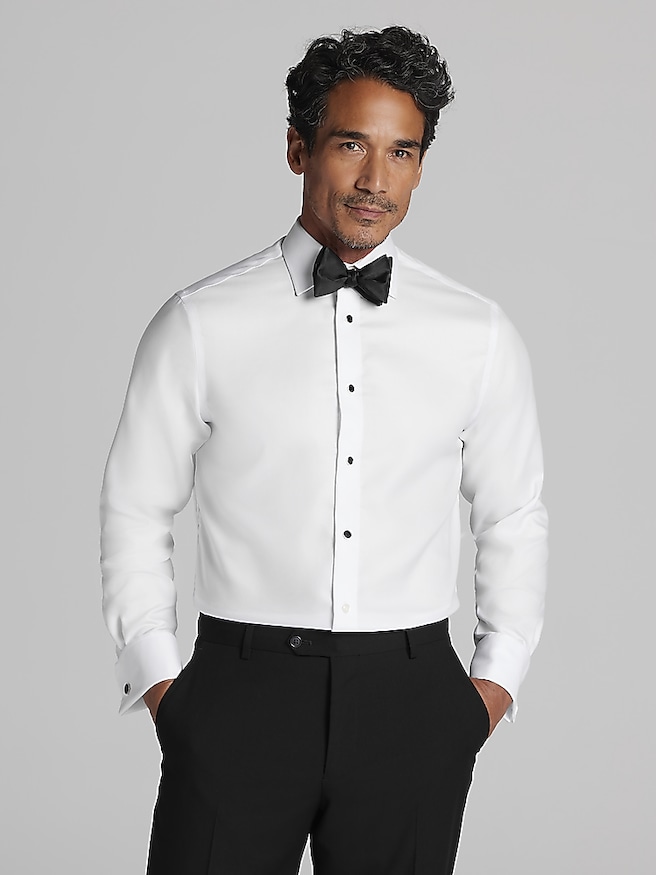
Non-iron slim fit shirts bring together a close, tailored silhouette and fabric designed to resist wrinkles, making them a practical foundation for a polished wardrobe. The non-iron designation generally refers to a fabric treatment or construction that helps a shirt maintain a smooth appearance after laundering according to its care label. Slim fit describes the shape: typically narrower through the chest, waist, and sleeves than a classic fit, with less extra fabric gathering above the waistband or beneath a jacket. These are separate features, and both matter when choosing a shirt for office hours, client presentations, dinners, or celebrations. A crisp appearance is useful, but so is being able to reach across a conference table or sit comfortably through a reception. Cotton is a familiar choice for its breathable feel and natural softness, while cotton blends can add properties such as stretch, shape retention, or easier maintenance, depending on the fibers and construction. A small amount of elastane may provide extra give through everyday movement, though a non-iron finish alone does not mean a shirt stretches. Fabric weave also influences the look and feel. Poplin generally has a smooth, even surface that works well with structured tailoring, while twill has a subtle diagonal texture and may drape with a slightly fuller feel. Fine patterns and textured weaves add depth without necessarily making a shirt look casual. White and light blue remain versatile foundations for suits and dress pants; restrained stripes or small checks can introduce variety while keeping an outfit composed. The best choice depends on the balance of softness, structure, movement, and formality that suits the wearer’s routine. Someone who spends much of the day behind a desk may prioritize comfortable sleeves and a collar that sits neatly open, while someone regularly wearing a tie may pay closer attention to collar height and how the points sit beneath jacket lapels. Across these uses, the appeal is consistent: a streamlined shirt that requires less hands-on wrinkle removal without giving up the details that make dress clothing feel considered.
A well-fitting slim shirt follows the body without pulling tightly across it. Shoulder seams should sit near the natural edge of the shoulders, and the front placket should lie flat rather than forming gaps between buttons. At the waist, a gentle taper creates definition, but enough room should remain to sit, bend, and move without the hem repeatedly coming untucked. Sleeve shape deserves equal attention. A narrow sleeve can look sharp beneath a suit jacket, yet it still needs space through the upper arm and elbow. With the arms relaxed, long sleeves generally finish around the wrist, allowing a small amount of cuff to show beneath a properly fitted jacket. Collar sizing is especially important for anyone who buttons the shirt fully: the neck should feel secure without pressure, with enough space to slip a finger comfortably inside. Fit labels are not standardized, so neck and sleeve measurements, garment measurements when provided, and the size chart offer a more useful starting point than the words “slim fit” alone. Body proportions matter as much as overall size; broad shoulders, a fuller chest, or longer arms can change how the same cut sits. Details then help connect the fit to the occasion. A spread collar leaves room for a fuller tie knot, while a point collar creates a narrower frame at the neckline. Button-down collars have a more relaxed character and can work naturally with chinos and an unstructured jacket. Barrel cuffs keep daily dressing straightforward, while French cuffs call for cuff links and bring a dressier finish. Hem length also affects versatility: a longer, curved hem is usually intended to stay tucked, while a shorter hem may be better suited to untucked wear if its proportions support that styling. For a more casual silhouette with similar waist shaping, Short Sleeve Slim Fit Shirts offer a related direction. Whether paired with tailored trousers or worn beneath a blazer, the shirt should look intentional on its own, not simply when covered by another layer.
The everyday value of a non-iron slim fit shirt becomes most apparent between wears. It can simplify getting dressed before an early meeting, reduce the time spent preparing a business travel wardrobe, and make a polished appearance easier to maintain through a busy schedule. Non-iron does not mean that fabric can never crease, however. A tightly packed suitcase, an overloaded dryer, or hours spent folded in a laundry basket can still leave marks. Care instructions vary with the fiber blend and finish, so the sewn-in label should determine washing temperature, drying method, and whether ironing is permitted. When machine drying is allowed, removing the shirt promptly and placing it on a hanger can help preserve a smooth finish. Straightening the collar, placket, and cuffs by hand before hanging also helps the garment settle into shape. Excessive heat and unnecessary drying can be hard on fibers and stretch components; more heat is not a shortcut to better results. If touch-up pressing is needed, it should stay within the label’s temperature guidance. Durability depends on more than the wrinkle-resistant designation. Even stitching, neatly finished seams, firmly attached buttons, and well-constructed collars and cuffs all contribute to how a shirt holds up with regular use. Friction commonly shows first at collar edges and cuffs, making careful laundering and a comfortable, nonbinding fit worthwhile. Rotating shirts between wears and storing them with enough room to hang freely can also help maintain their appearance. For frequent travelers, a smooth fabric and tapered shape can make one shirt useful across a presentation, a business dinner, and a less formal appointment with the tie removed. For someone building a professional wardrobe, versatile colors and familiar collar styles create easy combinations with existing trousers and jackets. These shirts can also make a thoughtful gift for a graduate starting a new role or anyone whose routine calls for dress clothing, especially when neck size, sleeve length, and preferred fit are already known. The most useful shirt is one that fits comfortably, works with the wearer’s usual outfits, and delivers an easy-care finish that matches the attention its care label requires.