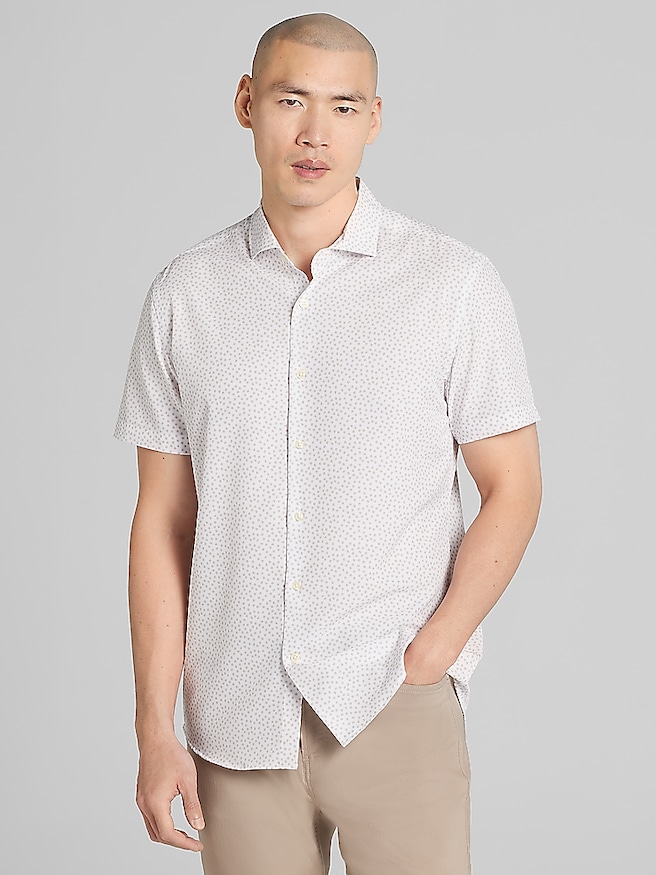
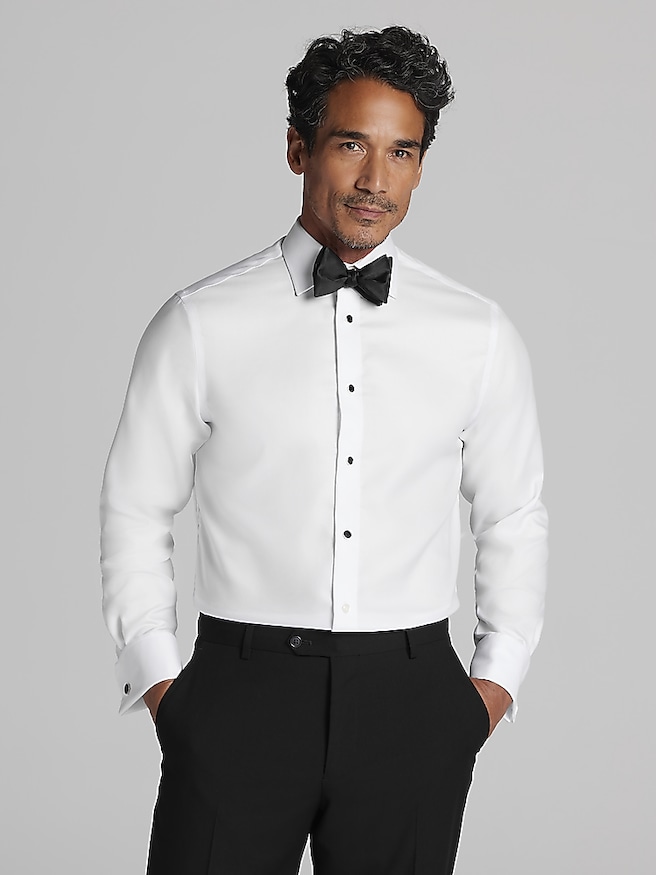
Men’s non-iron slim-fit shirts combine a closer-cut silhouette with fabric designed to resist wrinkles, making them a practical foundation for polished everyday dressing. The appeal is straightforward: a shirt that sits neatly beneath a suit jacket, stays relatively smooth through a full schedule, and needs less attention after laundering than an untreated dress shirt. Non-iron generally refers to a fabric treatment that helps the material release creases and maintain a tidy appearance; it does not mean every shirt will emerge perfectly smooth under every washing or wearing condition. Fabric composition still shapes the experience. Cotton offers a familiar feel and breathability, while cotton blends can contribute resilience, easy care, or stretch, depending on their construction. A smooth poplin weave creates a clean, understated surface, while twill has a subtle diagonal texture and can offer a slightly fuller drape. Fabric weight and opacity also matter, particularly when a light-colored shirt is worn without a jacket. Slim fit usually means less fabric through the chest, waist, and sleeves than a traditional fit, creating a defined outline without the extra folds that can gather above a waistband. It should not mean pulling across the buttons or restricting movement. A well-proportioned shirt allows room to sit at a desk, reach across a conference table, and bend an elbow without feeling strained. Shoulder seams should sit near the natural shoulder edge, and the collar should close comfortably rather than press against the neck. Sleeve length deserves equal attention: cuffs should reach the wrist and remain properly positioned when a jacket goes on. Because sizing and cut can vary, neck and sleeve measurements provide a useful starting point, while the shape of the torso determines how the finished shirt looks and feels. A slim silhouette is a preference rather than a body-type requirement, and the right proportions matter more than the label alone. Stretch, when present, can add flexibility, but it should complement an appropriate fit rather than compensate for a shirt that is too small.
The versatility of non-iron slim-fit dress shirts comes from the way a clean silhouette works with both tailored clothing and more relaxed office combinations. Beneath a navy or charcoal suit, a smooth shirt creates a crisp backdrop for a tie and keeps the overall look focused. With dress pants and a belt, the same shape can feel complete without a jacket, especially when the collar holds its form and the cuffs sit neatly at the wrists. For workplaces with a more relaxed dress code, a subtle pattern or textured weave adds interest without distracting from the rest of an outfit. Solid colors are especially adaptable, while fine stripes and small checks introduce definition that remains understated at conversational distance. For a neutral foundation, men’s non-iron white shirts pair naturally with a broad range of suit colors, ties, and trousers, making them useful for presentations, interviews, wedding celebrations, and other occasions that call for a composed appearance. Collar shape influences the finished effect as much as color. A spread collar gives a tie knot space to sit comfortably, while a point collar creates a narrower visual line; either can work without a tie when its construction supports the opening. Cuff style adds another distinction, with button cuffs offering straightforward everyday use and French cuffs creating a more formal finish with cuff links. Shirt length matters, too. A dress-shirt hem should have enough length to stay tucked through ordinary movement, while wearing a long shirttail loose can interrupt an otherwise clean outline. For someone who moves between client appointments, desk work, and dinner plans, these details help a shirt feel appropriate across several settings. Non-iron slim-fit shirts can also make thoughtful gifts for a graduate beginning a professional role or someone updating a work wardrobe, provided the recipient’s neck size, sleeve length, and preferred fit are known. Familiar colors and an established fit preference make that choice more personal and practical.
Easy care is a central reason to wear non-iron shirts, but good results still depend on the instructions sewn into each garment. Water temperature, wash cycle, drying method, and any restrictions on bleach or fabric treatments can vary with the fibers and finish. Following those directions helps preserve both the shirt’s appearance and its intended performance. Overloading a washer or leaving a damp shirt compressed in a basket can create creases that even wrinkle-resistant fabric may not fully release. When machine drying is permitted, removing the shirt promptly and hanging it with the collar, placket, and sleeves gently smoothed can reduce the need for touch-ups. Excessive heat may shorten the useful life of fibers, stretch components, or finishes, so a hotter setting is not automatically a better route to a crisp result. If pressing is needed, the care label should determine the appropriate iron setting. Everyday durability also depends on construction and how the shirt is worn. Even stitching, firmly attached buttons, and neatly finished seams support repeated use, while a fit that allows natural movement reduces unnecessary stress around the armholes, elbows, and button placket. Collars and cuffs receive frequent contact with skin, desks, and jacket sleeves, making prompt attention to marks worthwhile before they become difficult to remove. A comfortable undershirt can help manage perspiration and reduce direct contact with the dress shirt; beneath lighter fabrics, a shade close to the wearer’s skin tone often creates a less noticeable layer. Storage contributes to a tidy finish as well. A supportive hanger, space between garments, and a collar arranged in its natural shape help prevent avoidable creasing between wears. For travel, non-iron fabric can make unpacking simpler, though tightly compressed luggage may still leave folds. These shirts are best understood as lower-maintenance dress shirts rather than maintenance-free clothing: their value lies in combining a neat, close-fitting appearance with a manageable care routine for repeated wear.