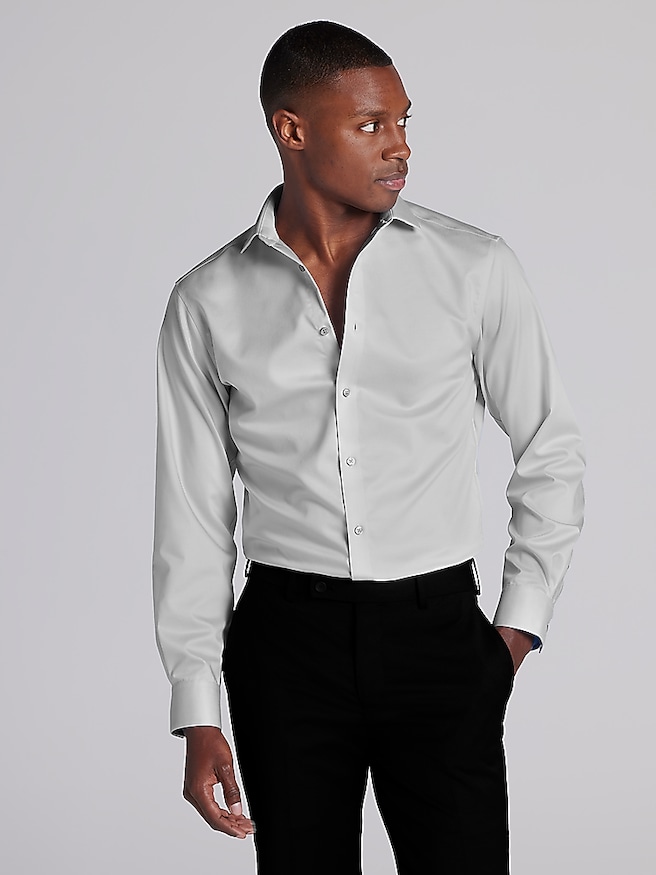
Men’s non-iron white shirts bring a clean, composed look to everyday business clothing and dressed-up occasions, with fabric engineered or treated to resist wrinkles after laundering. Their appeal is straightforward: a bright white collar frames the face, the neutral color works with nearly any suit or tie, and the easy-care finish helps reduce time spent at the ironing board. Non-iron does not mean a shirt can never crease, especially after hours beneath a seat belt or packed tightly in a bag, but proper washing and drying can help it emerge ready to wear with little additional attention. Cotton is a familiar choice for its breathable feel and ability to absorb moisture, while cotton blends can combine that softness with other useful properties. Polyester may contribute wrinkle resistance and quicker drying, and a small amount of elastane can provide give across the shoulders and elbows. Stretch, moisture management, and non-iron performance are separate features, so the fabric description matters more than assuming every easy-care shirt offers all three. The weave also shapes how a white shirt looks and feels. Poplin and broadcloth generally have a smooth surface and relatively light feel, making them comfortable beneath a closely fitted jacket. Twill has a subtle diagonal texture and often a slightly fuller hand, giving the white fabric depth without a prominent pattern. Fabric weight and density influence opacity, an especially practical consideration with white clothing. A lightweight shirt may reveal the outline of an undershirt in bright daylight, while a denser weave can provide more coverage without necessarily feeling stiff. An undershirt close to the wearer’s skin tone often shows less than bright white beneath a white dress shirt. For a workday that moves from a morning presentation to dinner, these small distinctions affect comfort and appearance just as much as the crispness of the collar.
Fit determines whether that crisp fabric looks relaxed and intentional or strained and rumpled. A classic fit typically leaves more room through the chest, waist, and sleeves, which can suit someone who prefers ease of movement or a less tapered outline. Slim and extra-slim cuts generally sit closer to the torso, though the exact measurements vary; the name alone cannot establish the right fit. Shoulder seams should rest near the natural edge of the shoulders, and the front should lie smoothly without pulling into an X around the buttons. A shirt that feels comfortable standing still also needs enough room for reaching across a conference table, driving, or sitting through a long reception. With the collar buttoned, there should be comfortable breathing room at the neck rather than pressure beneath the tie knot. Sleeves should reach the wrist with arms relaxed, allowing a small amount of cuff to show beyond a suit jacket sleeve. Tail length matters, too: a shirt intended to stay tucked should have enough length to remain secure when the wearer raises an arm or bends down. Collar shape gives the same white shirt a distinct character. A point collar creates a narrower frame for a tie, while a spread collar leaves more space for a fuller knot. Button-down collars tend to feel less formal and can work well with chinos, textured jackets, and open-neck outfits. Barrel cuffs are convenient for frequent wear; French cuffs require cuff links and lend a dressier finish. For an office wardrobe that calls for regular rotation, Mens Non Iron Business Shirts offer a related category to explore alongside white shirts. The white version remains especially versatile with navy tailoring, charcoal trousers, or a fine-gauge sweater during the cooler months. Beneath knitwear, a collar that sits neatly and sleeves that do not bunch help keep the outfit comfortable. For formal events, the invitation still sets the standard: a conventional white business shirt is not automatically a substitute for a tuxedo shirt when black-tie attire is expected.
Care has a direct effect on how well a non-iron white shirt performs over time. The care label should govern washing temperature, drying method, and any permitted touch-up treatment, since cotton fabrics and stretch blends may have distinct requirements. In general, leaving enough space in the washer and dryer allows shirts to move freely rather than twisting into tight folds. Removing a shirt promptly when the recommended drying cycle ends, smoothing the placket and cuffs by hand, and placing it on a hanger can help preserve a tidy appearance. Overdrying or excessive heat may affect fibers and finishes, so a hotter setting is not necessarily a better shortcut. White fabric also makes collar and cuff buildup easier to notice. Addressing those areas with a fabric-appropriate pretreatment before washing can help keep everyday perspiration and skin oils from becoming stubborn marks. Chlorine bleach is not suitable for every white shirt, particularly when special finishes or stretch fibers are involved; whitening products should be used only as the label allows. Durability depends on both the cloth and construction, including secure buttons, tidy stitching, and well-finished seams at areas that receive repeated stress. A non-iron finish does not make fabric immune to abrasion from a watch, friction at the collar, or repeated hard washing. Rotating shirts and giving each one proper care can spread out that wear. For travel, folding along natural seams and avoiding an overfilled suitcase helps limit compression, while hanging the shirt after arrival gives the fabric a chance to relax. These practical qualities make white non-iron dress shirts useful for commuters, frequent travelers, recent graduates building a professional wardrobe, and anyone whose schedule includes interviews, client meetings, ceremonies, or evening gatherings. They can also make a thoughtful gift when the recipient’s neck size, sleeve length, and preferred cut are known. The most useful choice balances a comfortable fit, suitable coverage, and realistic care needs—a shirt that feels as appropriate at the end of a full day as it looked when first buttoned.