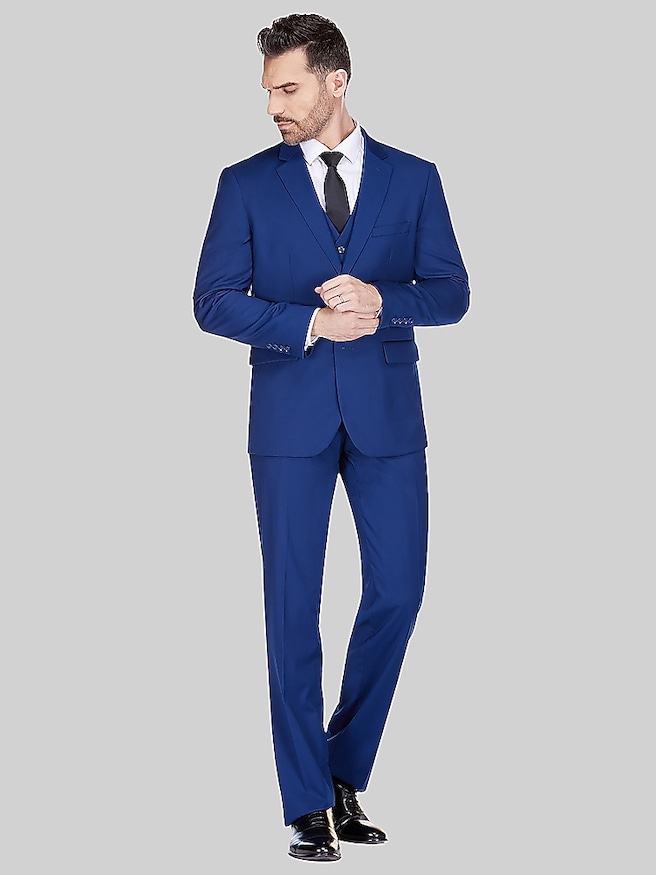
A nice suit brings together a matching jacket and trousers, a balanced fit, and fabric that looks polished while feeling comfortable through the occasion. Its appeal comes less from a single detail than from how the pieces work together: shoulders that sit naturally, lapels that lie flat, trousers that fall cleanly, and enough room to sit or shake hands without pulling at the seams. For someone dressing for a job interview, a wedding, or an important presentation, those qualities create a composed appearance without making the outfit feel distracting. A suit jacket should follow the body rather than cling to it, with a collar that rests close to the shirt collar and a buttoned front that does not form pronounced lines of strain. Jacket length, sleeve length, and trouser proportions also affect the overall silhouette. A small glimpse of shirt cuff can give the sleeves a finished look, while a clean trouser hem keeps attention on the outfit rather than on fabric gathering above the shoes. Slim, tailored, and classic fits offer distinct shapes, though those labels can vary across suit designs. A slimmer cut generally sits closer through the torso and legs; a classic cut usually provides more room; and a tailored fit often falls between the two. The right choice depends on body proportions, comfort, and the intended setting, not simply on the name of the fit. Someone who spends much of the day seated may appreciate extra room through the thigh and seat, while someone attending a standing reception may focus on how the jacket drapes when buttoned. Alterations to sleeve length, trouser hems, and waist shaping can refine the result, but the shoulders and overall jacket proportions are especially important starting points. A well-fitting suit should look settled on the wearer, with enough ease for ordinary movement and a silhouette that remains balanced from the front, side, and back.
Fabric gives a nice suit much of its character, influencing its texture, drape, resilience, and care needs. Wool is a familiar suiting material because it can hold a defined shape while allowing a natural fall through the jacket and trousers. Its ability to recover from light creasing can be useful for office wear, business travel, and occasions that involve long stretches of sitting. The weave matters alongside the fiber: a smooth worsted fabric creates a crisp appearance, while a more textured surface gives the same basic silhouette added depth. Cotton often has a more relaxed character and can develop visible creases with wear. Linen has a distinctive texture and a naturally rumpled finish, making it better suited to settings where that less structured appearance feels intentional. Blended fabrics can combine characteristics from several fibers, and a small amount of stretch may offer additional flexibility. Fiber content alone does not determine quality, however. Fabric weight, construction, finishing, and fit all contribute to how a suit feels and holds up over time. A lining can help the jacket move smoothly over a shirt, while internal structure supports the chest and lapels; lighter construction can create a softer outline. Secure buttons, tidy seams, and fabric that hangs evenly are useful details to notice in a suit intended for repeated wear. For a weekly rotation, durability also involves everyday habits: carrying bulky keys or a phone in the jacket pockets can distort the outline, and trousers that drag against the ground can wear at the hem. A suit worn for frequent client meetings has different demands from one reserved for a graduation or anniversary dinner. Both benefit from sound construction, but the most useful fabric and finish are those that suit the wearer’s routine, preferred feel, and expectations for upkeep.
Color and styling help a suit move between occasions without losing its identity. Navy and charcoal offer understated foundations for professional settings, with enough depth to pair easily with white or pale blue shirts. Medium gray has a softer visual effect, while brighter blues make a more noticeable impression. Black creates a sharper contrast with a white shirt and can suit certain evening events, though an event’s dress code remains the best reference for the expected level of formality. Subtle stripes and checks add interest, especially when the shirt and tie are quieter. A coordinated blue suit and vest offers a three-piece option, adding a defined layer beneath the jacket for celebrations or dressier gatherings. The vest should sit smoothly through the torso and cover the trouser waistband without bunching. A simple shirt, a tie with a restrained pattern, and polished leather shoes can give the full outfit a cohesive finish. For an interview, understated combinations let the person remain the focus; for a wedding guest, the invitation and venue help establish how formal the outfit should feel. A suit can also be a thoughtful gift for someone marking a graduation, beginning a professional role, or preparing for a milestone celebration, provided their measurements, style preferences, and alteration needs are considered. Care helps preserve that investment in fit and appearance. A broad, supportive hanger maintains the jacket’s shape, and properly hanging the trousers helps prevent unnecessary creasing. Allowing the suit to air out after wear and avoiding an overcrowded closet can help keep it fresh between cleanings. Stains and wrinkles should be treated according to the garment’s care label, with professional cleaning used when needed rather than automatically after every outing. Excessive heat or improper pressing can leave shine or damage the fabric’s finish. With thoughtful care and styling, a nice suit becomes a dependable part of a wardrobe: ready for the handshake before an interview, the walk into a reception, or the photograph that marks an important day.