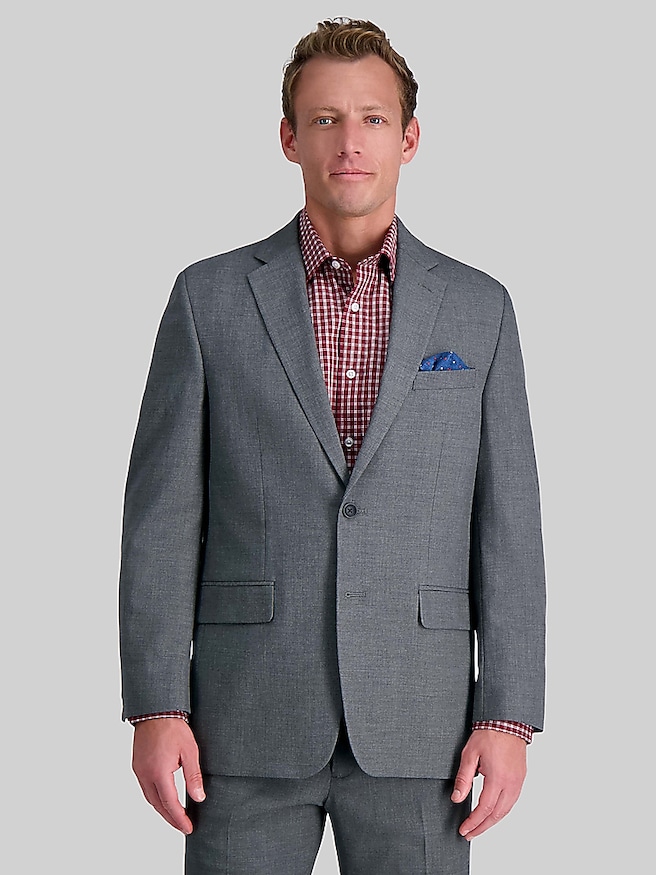
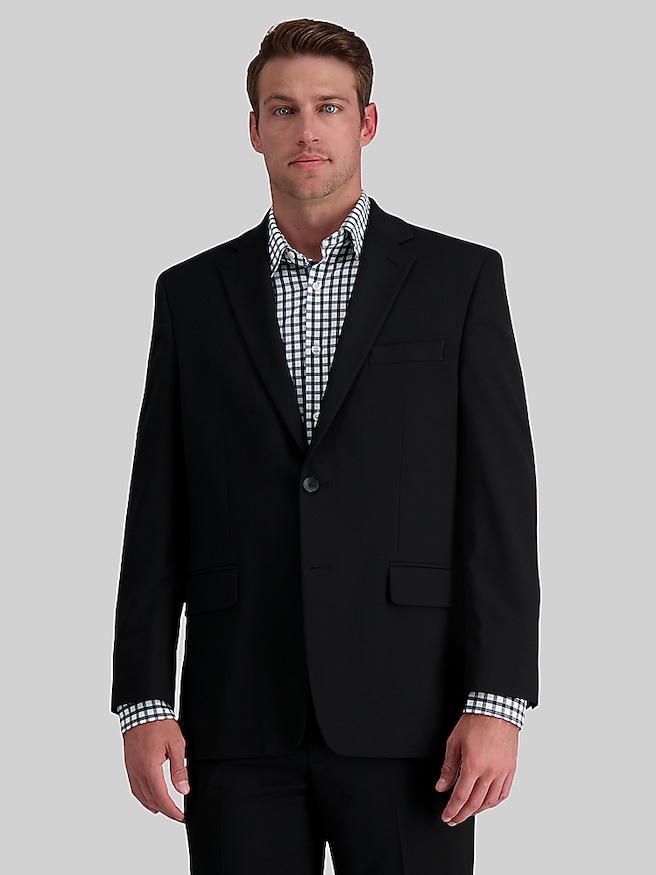
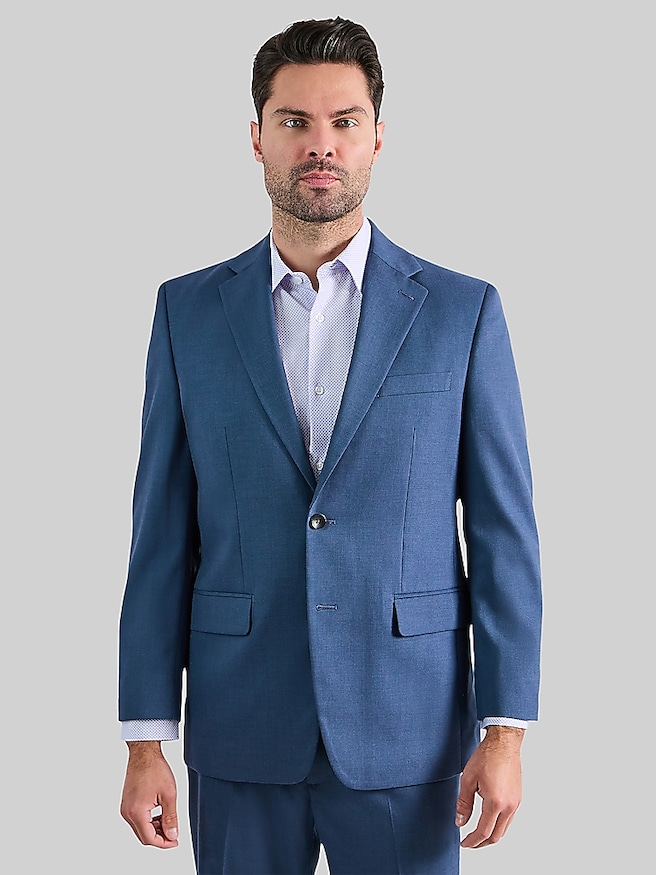
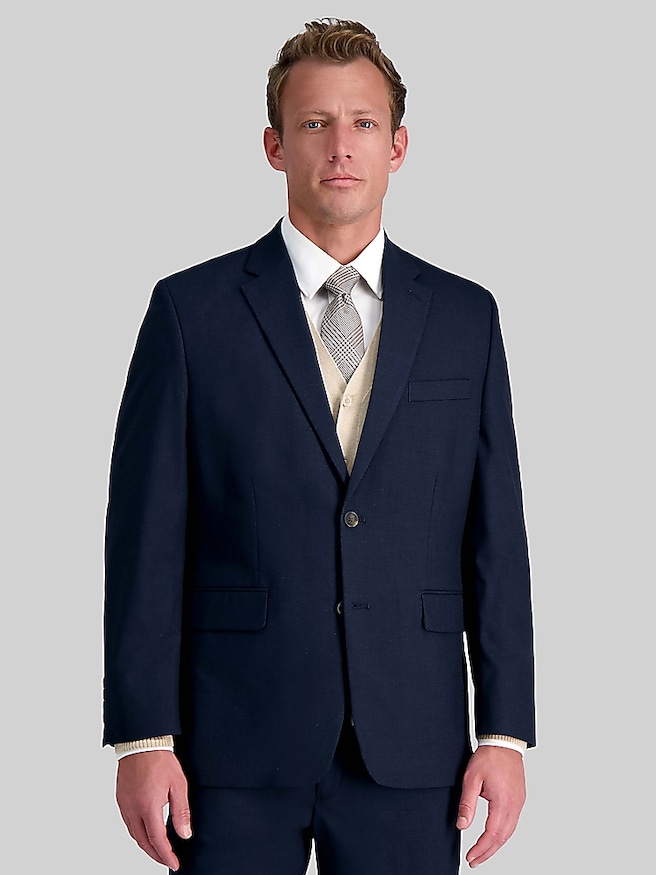
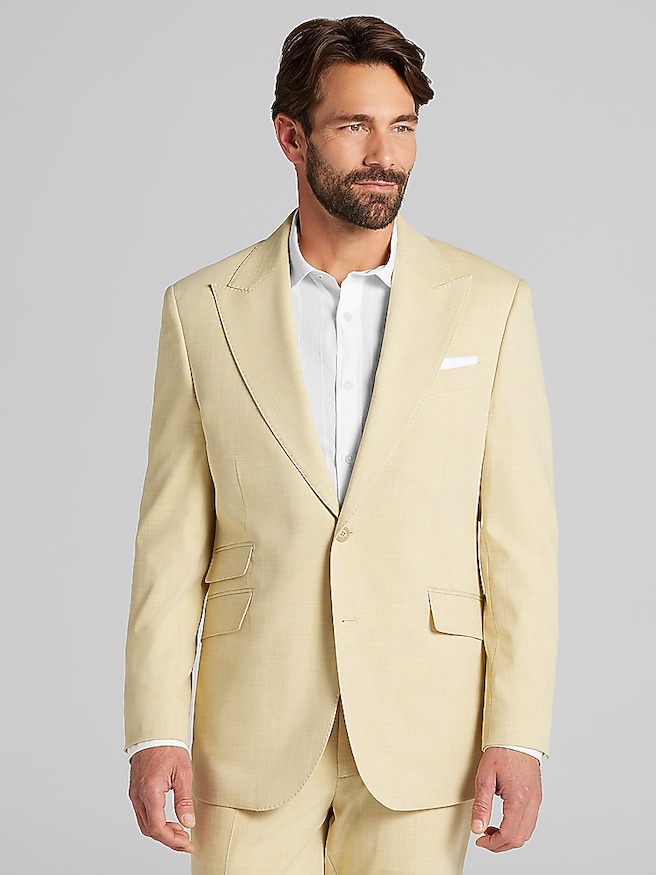
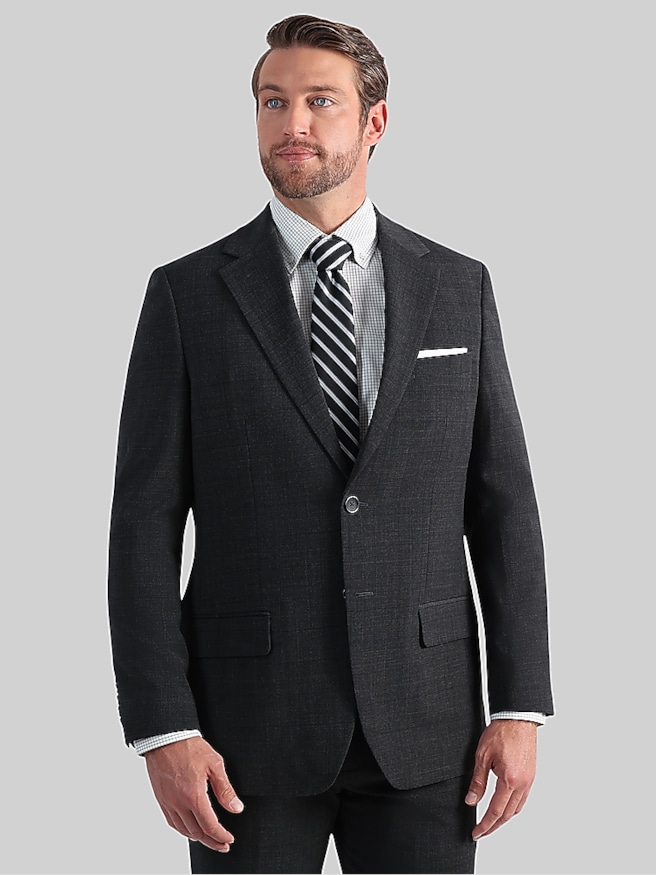
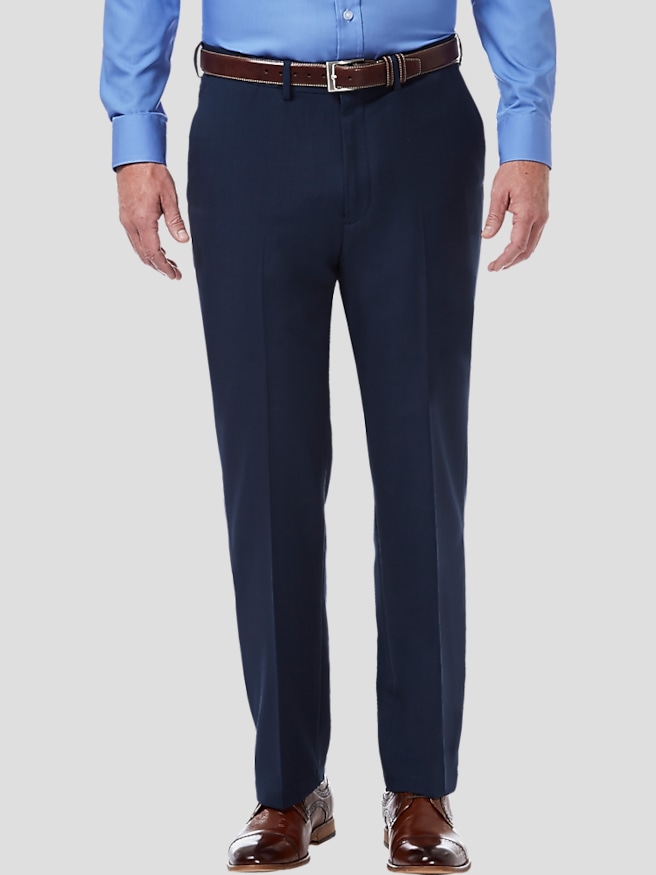
New York suits bring together the polish of classic tailoring and the practical confidence needed for a city that rarely slows down. From morning meetings in Midtown to evening celebrations downtown, the right suit should feel composed without looking overly formal, and refined without making movement difficult. New York-inspired style often begins with a clean, confident silhouette: a jacket that rests smoothly across the shoulders, sleeves that reveal a measured amount of shirt cuff, and trousers that create a neat line from the waist to the shoe. Whether you are building a professional wardrobe, preparing for an interview, attending a wedding, or refreshing your formalwear for the cooler months, consider how often you will wear the suit and what settings it needs to handle. A versatile neutral shade can move easily between the office and special occasions, while a subtle pattern or richer color can give your wardrobe more personality. Fabric matters as well. Lightweight materials can be comfortable during changing temperatures and busy commutes, while wool-rich options offer structure, warmth, and a naturally polished appearance when the weather turns cooler. Look for details that support real life, including comfortable lining, functional pockets, and a construction that holds its shape after a long day. A well-chosen suit should work with the rest of your closet rather than stand apart from it, pairing naturally with dress shirts, ties, polished shoes, and more relaxed layers when the occasion allows.
Fit is the detail that makes every other part of a suit look intentional. Even a beautifully made garment can appear awkward if the jacket pulls at the button, the collar lifts away from the neck, or the trousers bunch heavily over the shoes. Start with the shoulders, since that area is difficult to alter, and make sure the seam ends close to the edge of your natural shoulder. The jacket should button without strain while still following your shape, and the lapels should lie flat against the chest. Trousers should sit comfortably at the waist and allow room to walk, sit, and move through a full day, whether that means crossing a crowded lobby or stepping onto a train. Tailoring can refine the fit further by adjusting sleeve and trouser lengths, shaping the waist, or making small changes that help the suit look made for you. It is worth bringing the shirt and shoes you expect to wear with the suit when checking the proportions; a jacket that looks perfect with one pair of shoes may need a different trouser break with another. For a first suit, focus on versatility and dependable fit before chasing a highly distinctive style. For someone who already owns the essentials, a different texture, pattern, or color can add useful variety without making dressing feel complicated. Those shopping for a gift may also find that formalwear is best chosen with the recipient’s measurements, workplace, and personal preferences in mind. A suit can mark a meaningful milestone—a first professional role, a graduation, a wedding, or a new chapter in the city—but the most successful gift is one that feels comfortable and genuinely wearable. When a more elevated finish is appropriate, explore Men's Designer Suits for refined construction and distinctive details that can give a formal wardrobe added character.
The best New York suits are ready for the many versions of a day: a crisp morning presentation, a quick coffee on the way to an appointment, dinner with friends, and an event that continues after sunset. Build around the occasion rather than treating the suit as something reserved for a single use. A professional setting may call for a restrained shirt and tie combination, while a celebration can leave room for a more expressive color, pattern, or accessory. During the cooler months, a tailored overcoat, textured knit, or neatly folded pocket square can add warmth and depth without obscuring the lines of the suit. Keep the overall effect balanced; if the suit has a noticeable pattern, simpler accessories often look strongest, while a solid suit can provide a calm foundation for more visual interest. Care also helps preserve the impression of quality. Hang the jacket and trousers on sturdy hangers after wearing, give the fabric time to air out, and avoid cleaning more often than necessary. A garment bag is useful for travel, especially when moving between offices, hotels, and formal venues, and careful folding can prevent deep creases during transit. With the right fit and thoughtful care, a New York suit becomes more than event-specific clothing. It becomes a reliable part of a wardrobe—something to reach for when the day calls for confidence, clarity, and a polished presence from the first step onto the sidewalk to the final gathering of the evening.