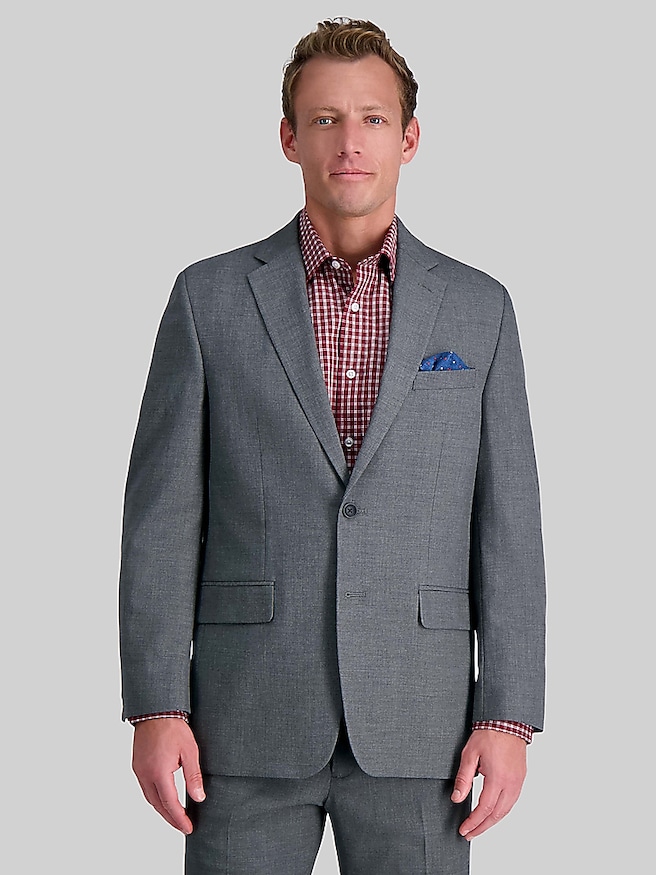
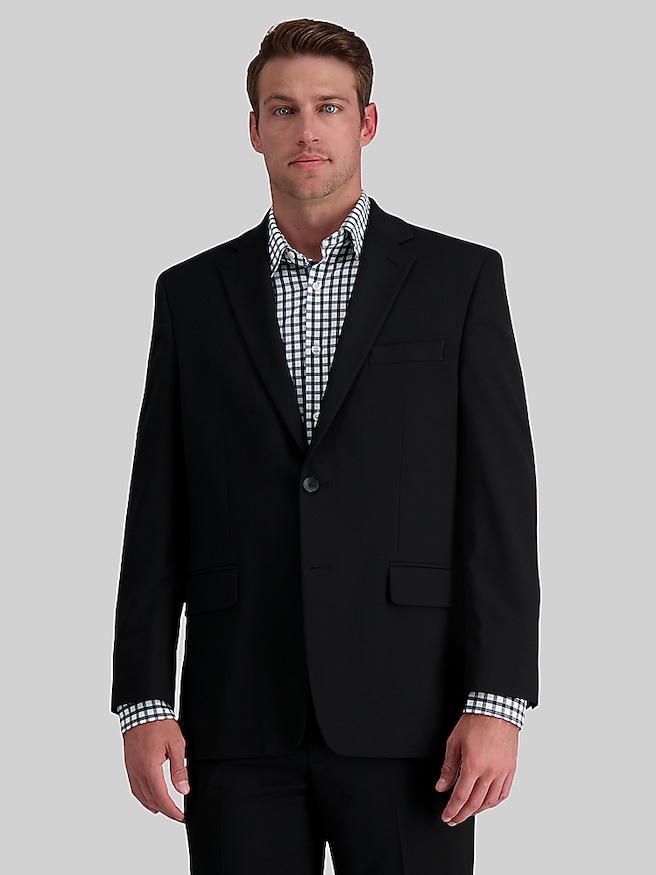
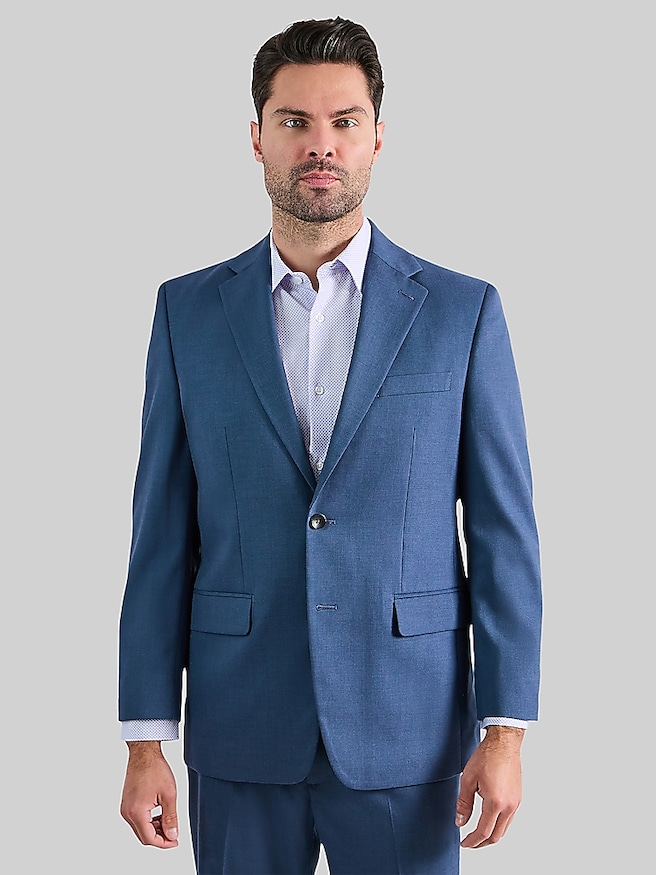
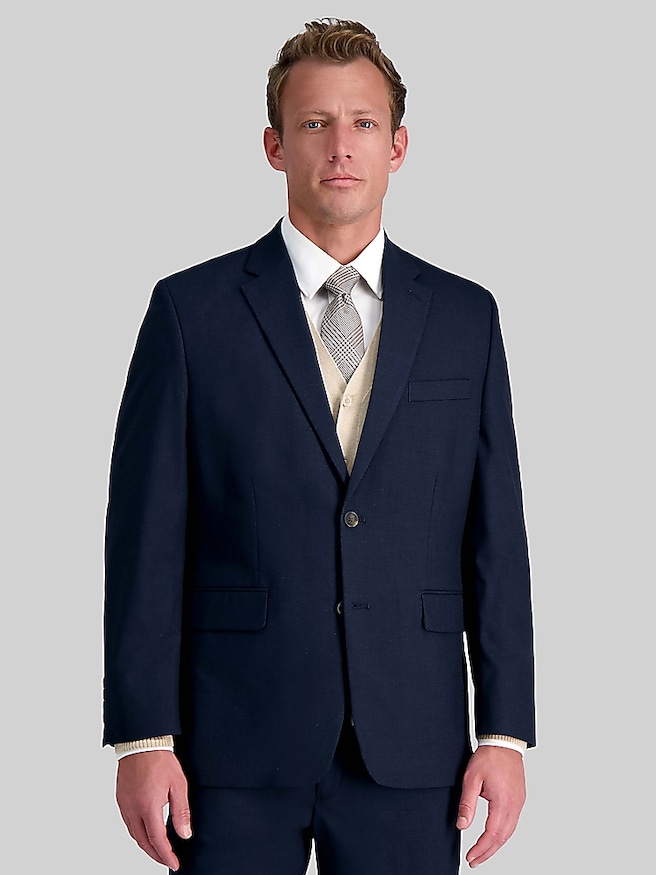
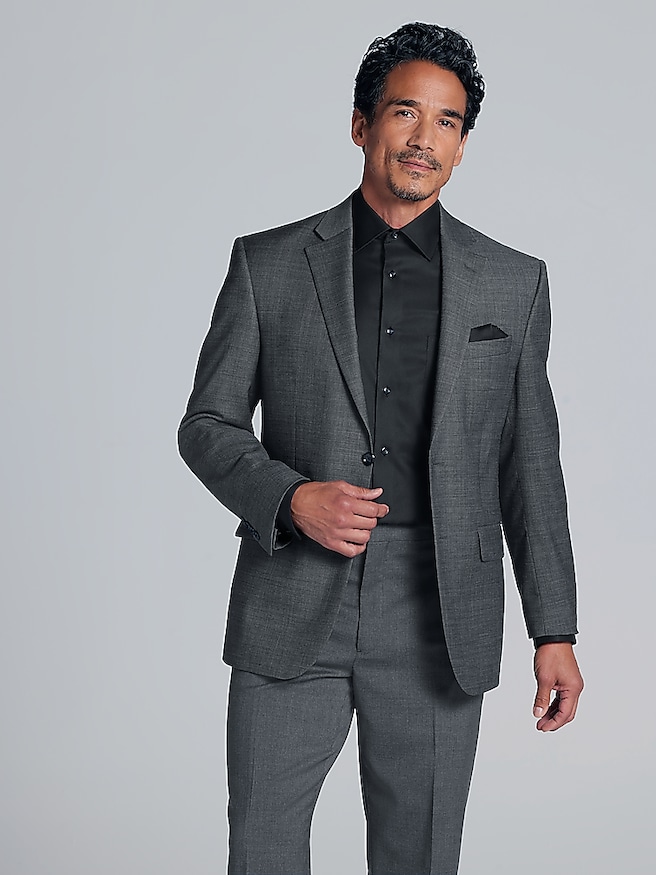
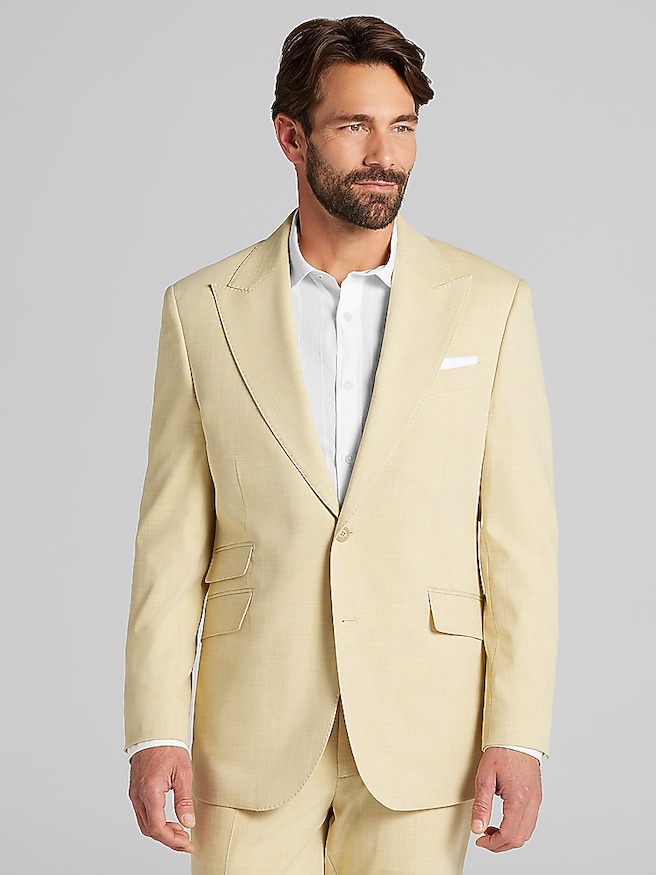
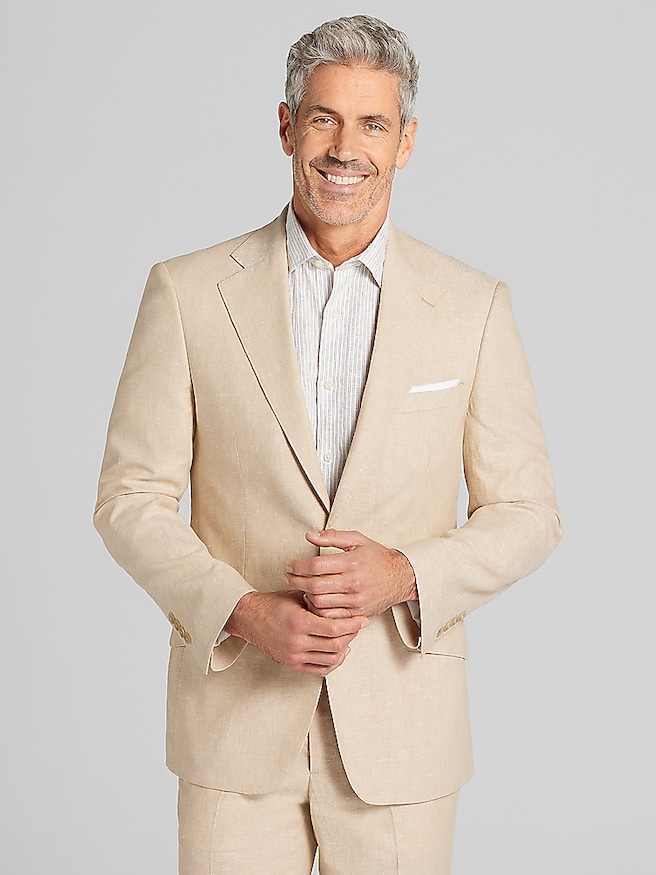
Men’s designer suits bring together refined tailoring, distinctive fabrications and the kind of thoughtful construction that makes formal dressing feel personal. They are suited to men building a polished professional wardrobe, preparing for a wedding or milestone celebration, or looking for a memorable ensemble for evenings when presentation matters. A designer suit can also mark an important occasion, such as a new career, graduation, anniversary or promotion, although the best fit is usually chosen with the wearer involved. These suits often balance timeless details with a more current point of view, from clean navy and charcoal to expressive earth tones, olive, deep brown and jewel-inspired shades. A traditional solid suit can move easily from the boardroom to a rehearsal dinner, while a subtle pattern, textured weave or richer color gives special-event dressing more personality. As the weather warms, lightweight wool and breathable blends can help maintain a sharp appearance without feeling heavy; during the cooler months, softly brushed wool, cashmere touches and deeper colors create a natural sense of depth. The right choice depends on how the suit will be worn, how often it will be used and the impression it should leave. Someone assembling a first serious wardrobe may appreciate a versatile two-piece in a restrained color, while a man who already owns classic tailoring may prefer a double-breasted silhouette, a softly structured jacket or a fabric with a distinctive hand-feel. Relaxed, roomier proportions have become an appealing alternative to ultra-slim cuts, offering space through the chest and shoulders while still preserving a clean line through the body and trousers. Double-breasted jackets likewise bring a confident, tailored presence to business attire, cocktail events and formal celebrations without requiring excessive ornamentation.
Fabric and construction play a major role in how a designer suit looks, feels and develops over time. Fine merino wool is a popular foundation because it can offer breathability, resilience and a smooth drape across changing settings. Higher-fineness options, often described with Super numbers such as S130s through S170s, feel especially soft and refined, while blends incorporating silk or cashmere can add subtle luster, warmth and a luxurious hand-feel. These delicate materials are best appreciated as part of a considered rotation rather than worn for every demanding commute. A half-canvas or full-canvas jacket contains an internal layer that helps the garment hold its shape and, with wear, settle more naturally to the wearer’s body. Unlike a purely fused construction, canvas can contribute to a softer roll at the lapel and a more fluid drape through the front of the jacket. Details such as a defined shoulder, peak or notch lapel, working-style sleeve buttons, a shaped waist and properly balanced trouser rise all influence the character of the suit. Fit remains essential: the collar should rest neatly against the neck, the shoulder seam should sit close to the natural shoulder, and the jacket should close without pulling across the chest or stomach. Trouser hems may be finished with a slight break for a traditional appearance or kept cleaner for a modern profile. A skilled alteration can refine sleeve length, trouser break and waist suppression, but it cannot fully correct a jacket that is fundamentally too small in the shoulders or too short in the body. For that reason, measurements, intended layering and the wearer’s preferred silhouette deserve attention before choosing a size. A suit that allows comfortable movement while retaining structure will look more convincing at a long reception, during a full day of meetings or beneath a topcoat on a cool evening.
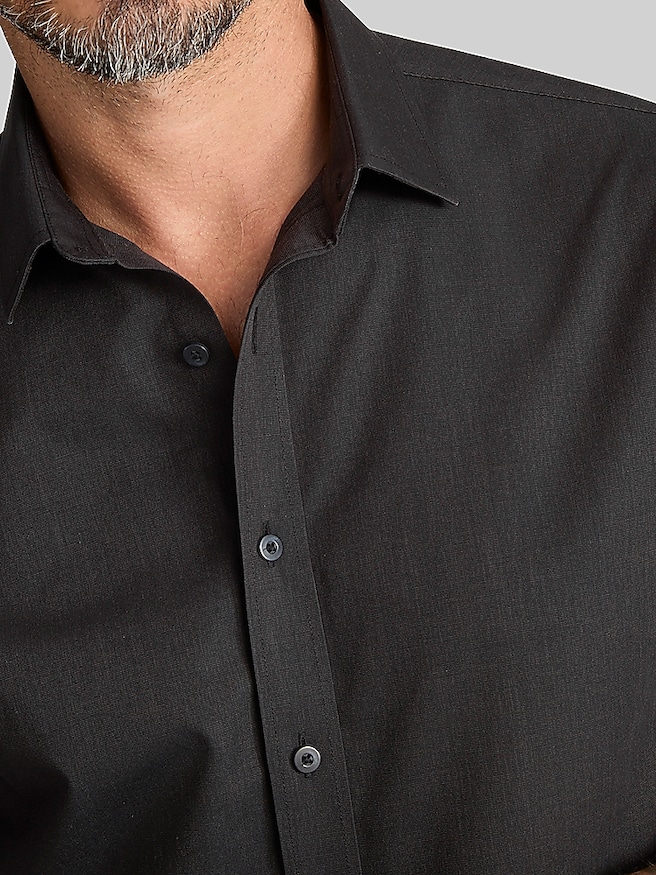
The finishing pieces help determine whether the overall outfit feels formal, modern, relaxed or distinctly individual. A crisp shirt and understated tie can keep a richly textured suit grounded, while a fine-gauge knit, pocket square or open collar can make tailored dressing feel less ceremonial. Shoes should complement the suit’s level of refinement and the occasion; polished leather footwear creates a traditional finish, while carefully chosen streamlined styles can lend a contemporary edge. Explore Designer Suit Shoes to complete the look with a considered foundation. Belts, watches and other accessories are most effective when they support rather than compete with the tailoring, particularly when the suit already features a noticeable pattern, bold color or pronounced lapel. For weddings and formal celebrations, coordinating with the wedding party or event dress code helps avoid colors and levels of formality that feel out of place. For work, versatile tones and restrained patterns tend to earn more wear, especially when the jacket and trousers can be combined with other wardrobe pieces. A designer suit should also be stored on a broad, supportive hanger, given room to air after use and brushed gently to remove surface lint. Avoiding overuse, allowing the fabric to rest between wears and relying on professional cleaning when needed can help preserve the shape and finish. Picture the small details that make a suit memorable: the smooth line of the lapel as you greet guests, the comfortable movement of the trousers while crossing a crowded room, or the way a rich wool surface catches the light as the evening cools. With the right fabric, proportion and tailoring, a designer suit becomes more than a formal outfit. It becomes a dependable expression of confidence, ready for the occasions that deserve a little extra care.