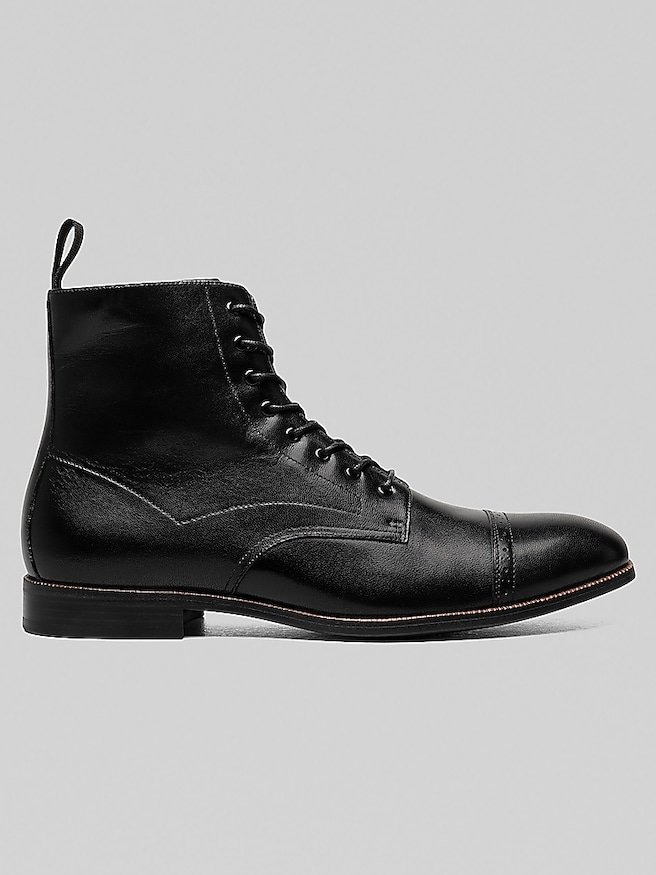
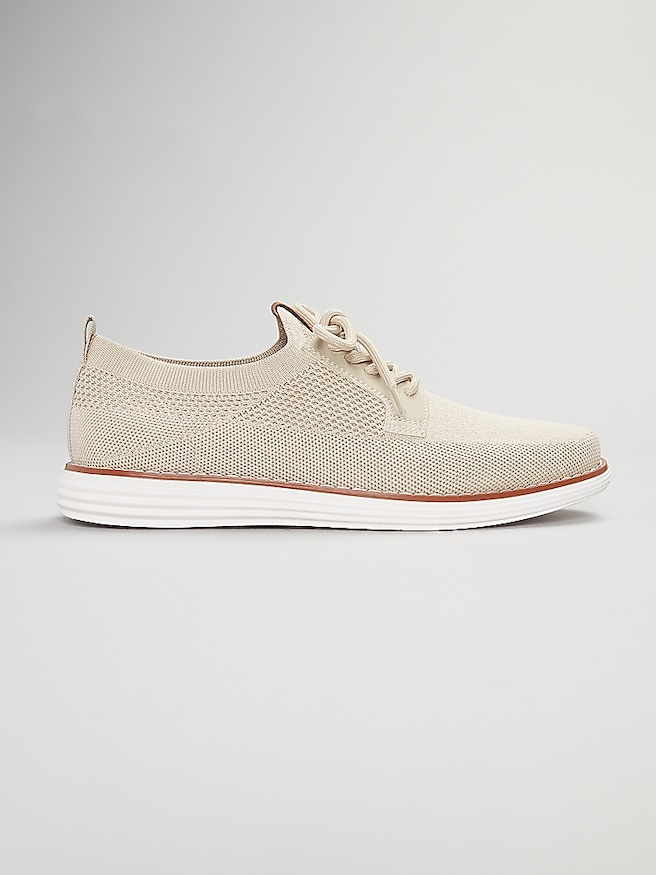
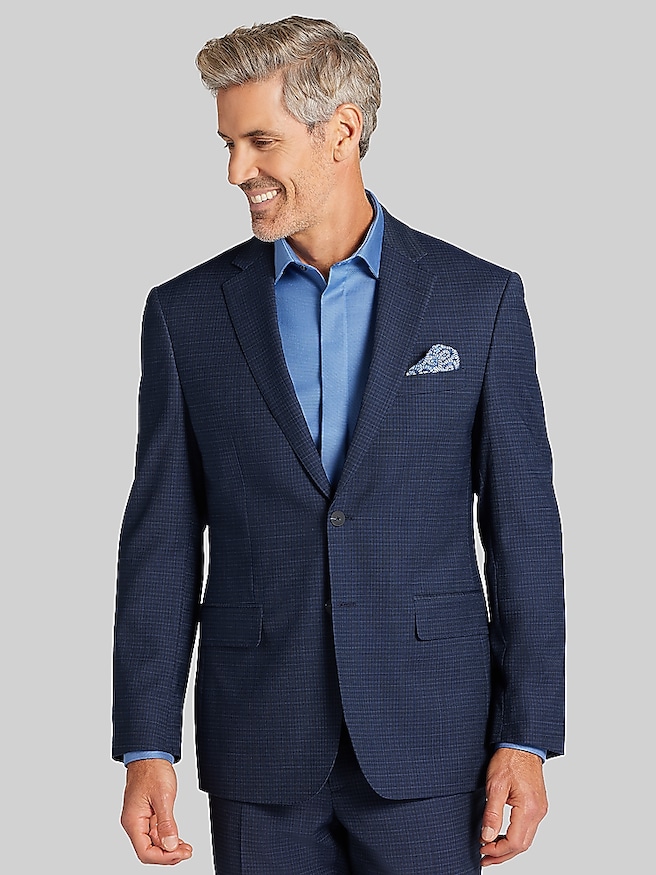
New season shoes bring a fresh point of view to everyday dressing through updated proportions, distinctive textures, and versatile shapes. For men’s footwear, that can mean streamlined sneakers, neatly shaped loafers, lace-up dress shoes, or boots that sit comfortably beneath a trouser hem. The strongest choices feel connected to the rest of a wardrobe rather than separate from it: a low-profile sneaker keeps a casual outfit clean, a polished leather lace-up sharpens tailored clothing, and a suede boot adds texture alongside denim or corduroy. Small details make a noticeable difference. A gently rounded toe has a different character from a squared shape, while a substantial sole gives even a simple upper a more grounded appearance. Neither approach needs an elaborate outfit to work. Dark jeans, a knit polo, and an unstructured jacket leave room for an interesting shoe without making the whole combination feel busy. With a suit, a slimmer profile and restrained detailing usually create a smoother line from the trouser leg to the floor. Black and deep brown remain useful foundations for dressier settings, while tan, burgundy, gray, and muted earth tones offer ways to introduce contrast. Color is only part of the equation; a matte finish feels quieter than a high shine, and visible stitching can make a shoe look more relaxed. For fall and winter wardrobes, textured uppers and substantial silhouettes pair naturally with wool trousers, heavier denim, and layered clothing, without requiring every shoe to look rugged. A day that moves from the office to dinner calls for a different balance than a long walk followed by a casual gathering. New-season footwear feels most relevant when its shape, finish, and level of formality suit those actual routines. A considered update might introduce a new texture or a cleaner silhouette while still working with the trousers, jackets, and everyday combinations already worn most often.
Materials and construction influence how shoes look, feel, and hold up beyond the first few outings. Smooth leather can develop character with wear, although its finish and maintenance needs vary. Suede offers a soft, brushed surface that works especially well with textured clothing, but moisture and stains may be more visible on its nap. Textile and synthetic uppers can create a lighter, sportier appearance; breathability, flexibility, and cleaning requirements depend on the particular material and construction. Inside the shoe, lining, seams, cushioning, and arch shape all contribute to comfort. A padded footbed may feel welcoming at first, but lasting comfort also depends on a stable fit and enough space for the foot to move naturally. Toes should have room without sliding forward, the widest part of the foot should align comfortably with the shoe, and the heel should feel secure without persistent rubbing. A firm leather upper may soften, but a shoe that pinches sharply or compresses the toes is not simply waiting to become comfortable. Sock thickness matters, especially when footwear will be paired with substantial seasonal socks rather than thin dress socks. Trying shoes with the intended socks and walking on a clean indoor surface gives a more useful impression than judging them while seated. Size markings are a starting point, since the shape of the last—the form around which a shoe is made—affects width, toe room, and overall volume. Underfoot, leather soles often support a refined dress appearance, while rubber compounds and tread patterns can offer flexibility or grip suited to everyday walking. Performance varies by design and surface, so a rugged-looking sole should not be mistaken for a guarantee on wet pavement or ice. Water resistance also depends on the entire construction, not just the appearance of the upper. For commutes, office days, and evenings spent standing, the most useful balance is a comfortable fit, appropriate support, and a sole matched to the setting. Durability comes from that match as much as from the material itself.
Seasonal footwear also earns its place through versatility and manageable care. A shoe worn with tailored trousers during the workday may look equally at home with dark denim at a weekend dinner, provided its finish and proportions suit both. Dress shoes bring definition to wedding attire, business clothing, and other polished outfits; understated sneakers and relaxed loafers serve a different purpose when the setting allows a more casual approach. Boots can bridge several combinations, with shaft height and trouser opening determining whether the hem falls cleanly or catches awkwardly. Those practical details matter more than forcing every silhouette into the same wardrobe. The lighter colors and relaxed combinations associated with Spring Fashion Shoes offer another seasonal direction, while the same attention to fit, texture, and proportion applies throughout the year. Whatever the season, routine care helps preserve the appearance and function of footwear. Smooth leather generally benefits from gentle cleaning and compatible conditioning or polish, following the maker’s directions. Suede needs tools and treatments intended for its surface rather than the same products used on polished leather. Protective treatments should be appropriate for the material and tested discreetly before broader application. After exposure to rain or slush, shoes should dry naturally away from direct heat; surface grit and residue are easier to address before they become embedded. Allowing pairs to rest between wears gives linings time to dry, and suitable shoe trees can help leather footwear maintain its shape. Storage in a clean, dry space protects uppers from unnecessary scuffing and dampness. For gifting, familiar habits are often more useful clues than an adventurous style choice: a frequent suit wearer, a denim devotee, and someone who walks extensively may value very different features. Knowing the recipient’s usual size, preferred fit, and daily routine makes the gesture more personal. Well-chosen new season shoes bring visual interest to an outfit, but their lasting appeal comes from how naturally they fit into the wearer’s life.