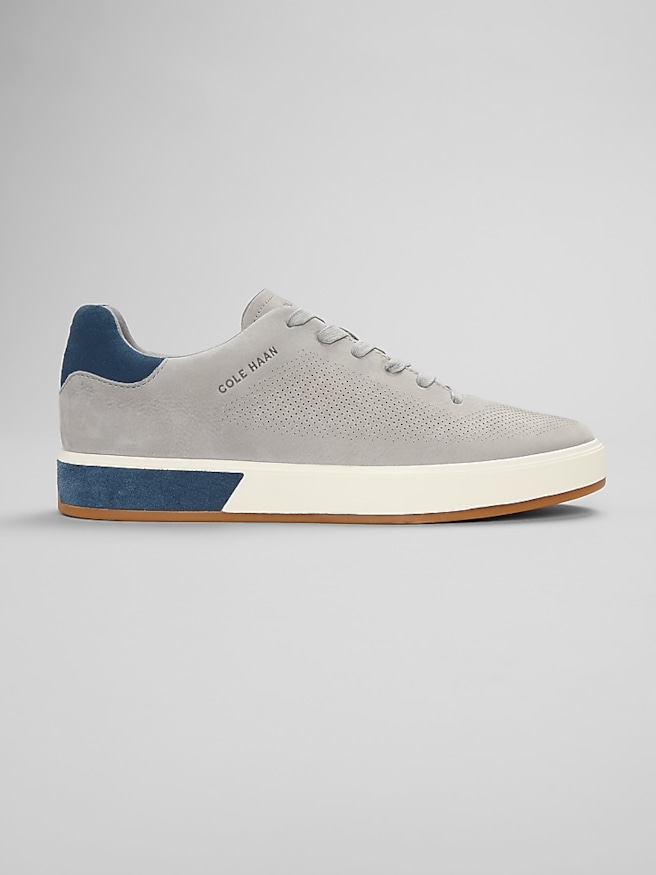
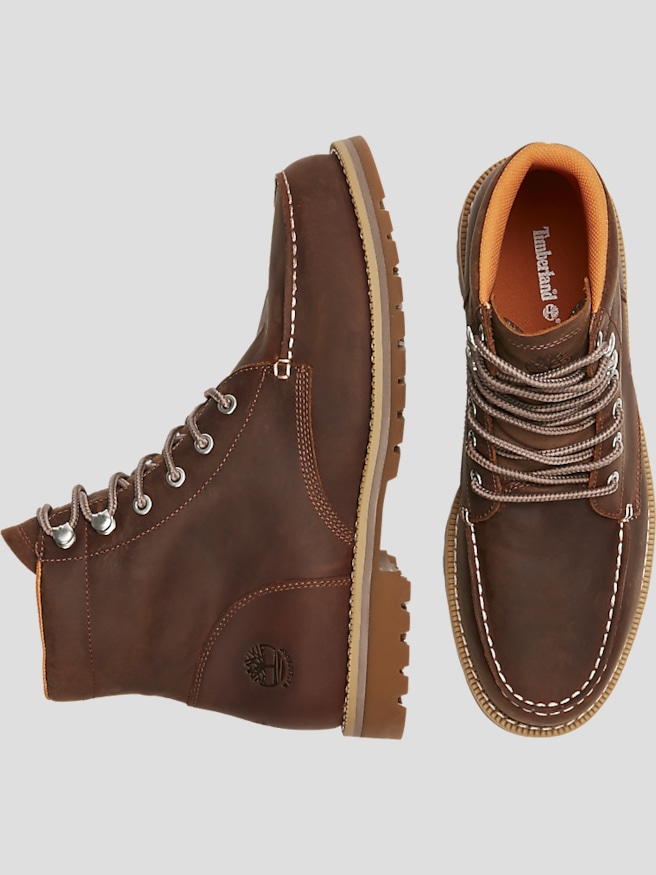
New season boots bring texture, structure, and practical coverage to a fall and winter wardrobe, with shapes that work as naturally beneath tailored trousers as they do with denim. An ankle-height profile offers an easy starting point: it covers more of the foot than a dress shoe without adding the bulk of a taller shaft. Chelsea boots have elastic side panels and a clean outline that complements narrow trouser openings, while lace-up styles allow more adjustment across the instep and can introduce a sturdier look. Chukka boots, typically defined by their ankle height and small number of lace eyelets, sit comfortably between relaxed and polished dressing. The character of a boot depends on more than its shape, though. Smooth leather with restrained stitching feels at home with wool trousers and a sport coat; suede adds a softer, more casual texture beside corduroy, dark denim, or brushed cotton. Black creates a crisp finish with charcoal and darker blue clothing, while brown tones pair easily with navy, olive, and earthy neutrals. A gently rounded toe generally leaves more room than a sharply tapered one, although the actual fit depends on the boot’s construction and proportions. Sole thickness matters visually, too: a substantial tread balances heavier fabrics, whereas a slimmer sole keeps an outfit more streamlined. For everyday dressing, Seasonal Boots can serve as the connection between practical outerwear and more refined clothing. Picture dark jeans falling neatly over a leather boot for a weekend dinner, or flannel trousers meeting a sleek ankle boot on the way into the office. The most useful choice suits the places it will go, whether that means a short commute, an evening gathering, or a day with plenty of walking. Boots can complement business-casual outfits and relaxed celebrations, but traditional black-tie occasions generally call for formal footwear rather than a casual boot. A trouser hem that rests lightly at the top of the boot helps preserve its shape without bunching around the ankle.
Material and construction make a noticeable difference in how boots feel, wear, and respond to fall and winter conditions. Leather can develop creases and a rich surface character with regular wear, but its performance varies with the hide, finish, lining, and care it receives. Full-grain leather retains the outer grain layer and can be durable when properly maintained; a smooth, polished finish may also be easier to wipe clean than a textured surface. Suede has an appealing nap that adds depth to simple outfits, although moisture, road salt, and oily marks require particular attention. Synthetic materials vary widely in flexibility, breathability, and maintenance needs, so the material description is more useful than appearance alone. A substantial-looking upper is not proof of waterproofing. For repeated exposure to rain or wet snow, look for an explicit waterproof designation and construction intended to limit water entry, including details around seams and closures. Outsoles deserve equal attention. Rubber tread can provide useful grip on many everyday surfaces, but traction depends on the compound, tread pattern, and ground conditions; no ordinary boot should be assumed to prevent slipping on ice. Fit starts with the socks intended for regular wear, especially when thicker pairs are part of a winter outfit. Toes should have room to move without the foot sliding forward, and the widest part of the foot should sit comfortably within the widest part of the boot. Pressure across the toes, persistent pinching, or numbness signals a fit problem rather than a useful break-in period. Some leather uppers soften with wear, but a boot that is too short will not become the correct length. Lace-up designs offer adjustable tension, while pull-on styles depend more heavily on the relationship between the heel, instep, and shaft opening. Try both boots, walk on a clean indoor surface, and check for rubbing at the heel and ankle. Anyone who wears orthotics should also account for the space they occupy, along with whether the footbed is removable.
Consistent care helps boots retain their shape and finish, especially when everyday wear includes damp sidewalks, gritty entryways, and salt-treated streets. After wear, brush away loose dirt before it works into seams or scratches the surface. Smooth leather generally benefits from a soft cloth and a cleaner suited to its finish, followed by conditioner when the leather needs it; too much product can leave residue or change the appearance. Suede calls for a dedicated brush and products formulated for its nap rather than standard leather polish. Always test cleaners, conditioners, and protective treatments on a discreet area, since even a compatible product may darken the material. Protective sprays can support routine care, but they do not automatically make a boot waterproof. When boots become wet, remove loose moisture, allow them to air-dry away from radiators and other direct heat, and avoid wearing them again before the interior is dry. Lightly filling them with plain absorbent paper can help draw out moisture; replace the paper as it becomes damp. Boot trees sized for the footwear can help maintain shape between wears, while a shoehorn reduces strain on the heel when putting boots on. Alternating pairs gives linings and footbeds time to dry and can make regular use more comfortable. Check laces, heel wear, outsole edges, and stitching periodically rather than waiting for a small issue to become a larger repair. Some constructions allow resoling, but that depends on how the boot is made and the condition of the upper. For gifting, boots can be a thoughtful choice for a partner, father, brother, or friend whose wardrobe already includes denim, chinos, or tailored separates. Knowing the recipient’s usual size, preferred width, typical socks, and everyday routine is more helpful than choosing by appearance alone. Someone who walks several blocks to work may value cushioning and a secure sole, while someone dressing for dinners and office gatherings may prefer a cleaner profile. A well-chosen pair earns its place through comfort, useful construction, and a style that feels natural with clothing already in rotation.