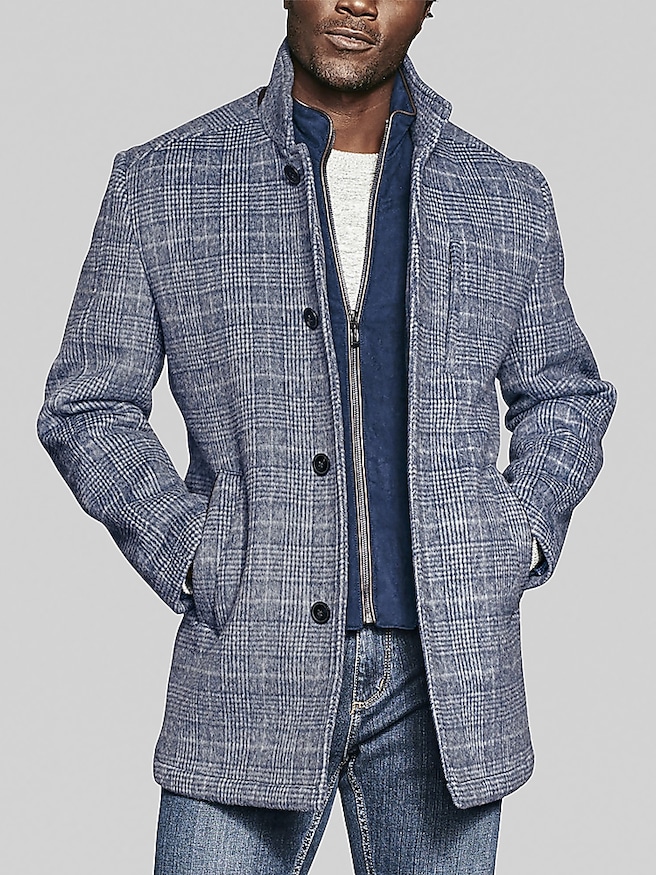
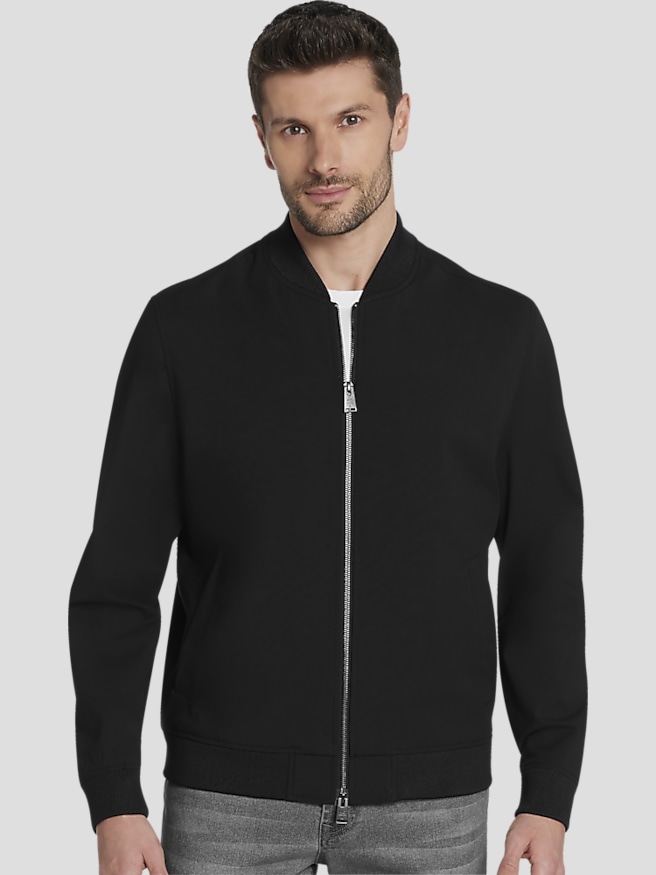
New season jackets give familiar outerwear shapes a fresh point of view through texture, proportion, and practical details. Funnel-neck jackets, suede and leather styles, utility-inspired barn jackets, and streamlined trench silhouettes offer distinct ways to build a seasonal outerwear wardrobe. A funnel neck adds coverage around the collar without the volume of a hood, creating a clean frame over a fine-gauge sweater or an open-collar shirt. Suede brings a soft, brushed surface that works naturally with denim, corduroy, and textured knits, while smooth leather creates a sharper contrast against flannel or wool trousers. Barn-inspired jackets draw their character from straightforward construction, roomy pockets, and a relaxed shape that feels comfortable over substantial layers. Trench-inspired designs introduce a longer line and more coverage, with details such as a belt or an overlapping front adding definition. These silhouettes serve varied routines: a shorter jacket feels easy behind the wheel, while a longer style offers more coverage on a walk between a train station and the office. For a wardrobe built around Fall Jackets, that balance of proportion and layering also provides a useful foundation for winter outfits. Olive, navy, brown, charcoal, and tan work well with the colors already common in a men's wardrobe, making a new layer feel connected rather than separate. A dark jacket over gray trousers reads understated and polished; a brown suede finish beside indigo denim feels more relaxed. Matte surfaces tend to keep an outfit quiet, while a pronounced grain, brushed texture, or contrasting collar becomes more noticeable. Collar shape matters, too: a stand collar creates a compact outline, whereas a spread collar leaves more room to show a shirt or scarf. The strongest seasonal combinations usually have a clear purpose, whether that means an uncomplicated layer for a casual office, a refined finish for dinner, or a comfortable jacket for weekend errands.
Materials determine much of how a jacket feels, moves, and responds to repeated wear. Wool and wool-blend fabrics provide insulating warmth with a tailored appearance, although the fabric's weight, weave, lining, and construction all influence comfort. A dense wool jacket can feel substantial without looking bulky, making it useful over a button-down shirt and sweater. Leather offers a substantial outer surface and develops character with use, but its weight and flexibility vary by hide and finish. Suede has a softer visual effect and benefits from particular care around moisture and stains. Cotton canvas and twill suit utility-inspired shapes, with a structured hand that can soften over time; a waxed or treated finish may add weather protection, but cotton alone should not be assumed to resist rain. Synthetic shells can provide a lightweight alternative, and some are designed with water-resistant treatments, insulation, or wind-blocking construction. Water resistance and waterproof protection are not interchangeable, so labeled performance details matter more than appearance when wet conditions are part of the routine. Linings also make a noticeable difference: a smooth sleeve lining helps a jacket slide over knitwear, while a warmer lining changes how much layering feels comfortable underneath. Fit brings these material choices together. Shoulder seams generally sit near the natural shoulder unless the jacket intentionally uses a dropped-shoulder shape. The chest and upper back need enough ease for reaching forward, carrying a bag, or sitting comfortably, without pulling across the closure. A jacket worn mostly over a shirt can have a closer outline than one intended for a thick sweater. Sleeves should cover the wrist comfortably without swallowing the hands, and the hem should work with the layers beneath it. Shorter lengths pair easily with casual trousers and denim, while longer cuts can better accommodate a blazer. A clean fit follows the body without restricting it, leaving the silhouette deliberate even when the jacket is unfastened.
Lasting usefulness comes from construction details as much as appearance. Even stitching, neatly finished seams, secure buttons, and a zipper that moves smoothly all contribute to everyday function. Pockets should suit the way a jacket is used: angled hand pockets feel natural on a walk, while an interior pocket offers a separate place for small essentials. A collar that lies neatly when open and sits comfortably when fastened makes the same jacket easier to wear across several settings. Cuffs and closures help control the shape, but they should not create pressure at the wrists or neck. Care requirements deserve equal attention because a jacket that suits someone's routine is easier to maintain over time. The garment's care label is the starting point; fabric blends, linings, trims, and finishes can require treatment beyond what the outer material alone suggests. Leather and suede often need specialist cleaning, and any conditioner, protector, or spot treatment should be appropriate for the exact finish. A suede brush can help lift surface dust and restore the nap when used according to care guidance. Wool benefits from gentle brushing and storage on a supportive hanger, while washable fabrics should be cleaned and dried only as directed. Allowing a damp jacket to dry naturally, away from direct heat when the care instructions permit, helps avoid unnecessary stress on the material. Breathable storage and adequate space on the hanger help preserve shape between wears. Those practical qualities also make a jacket a thoughtful gift for a father, brother, partner, or friend whose preferences are familiar. Someone with a daily commute may appreciate useful pockets and easy layering, while someone who favors relaxed weekend clothing may get more use from a soft texture and an uncomplicated silhouette. Familiar colors, comfortable proportions, and manageable care needs give new season jackets a lasting place in a wardrobe, with enough character to refresh everyday outfits without making them harder to wear.