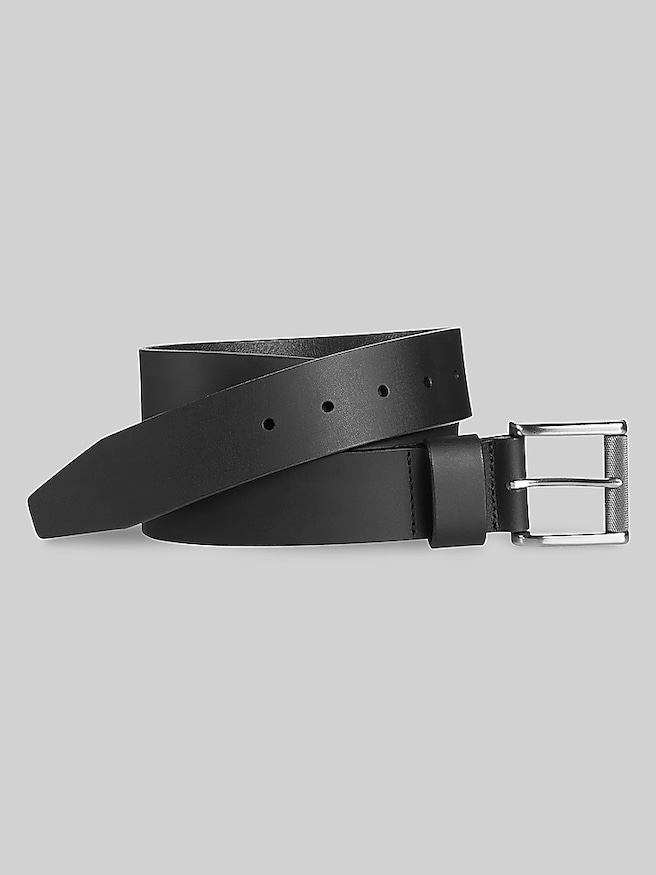
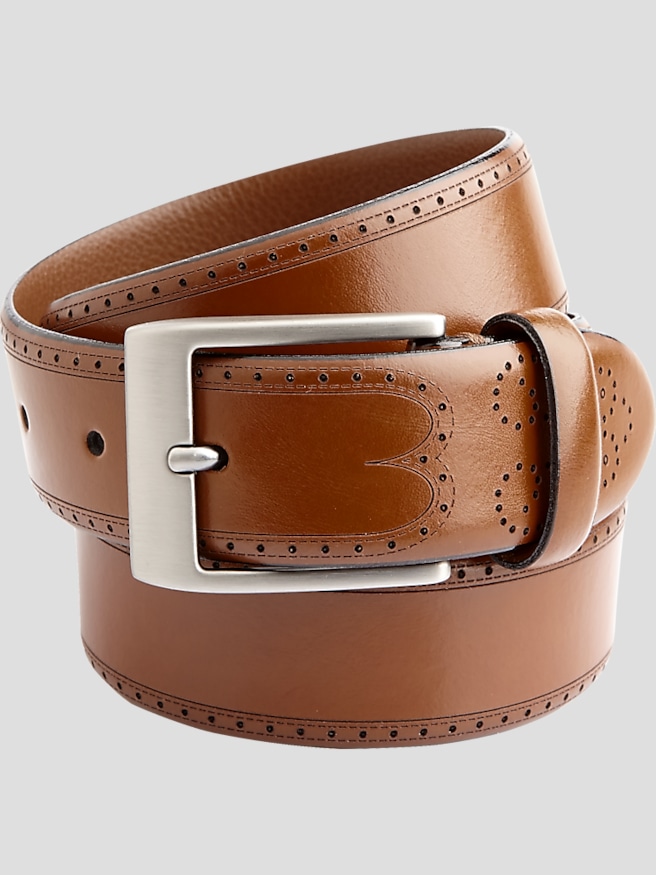
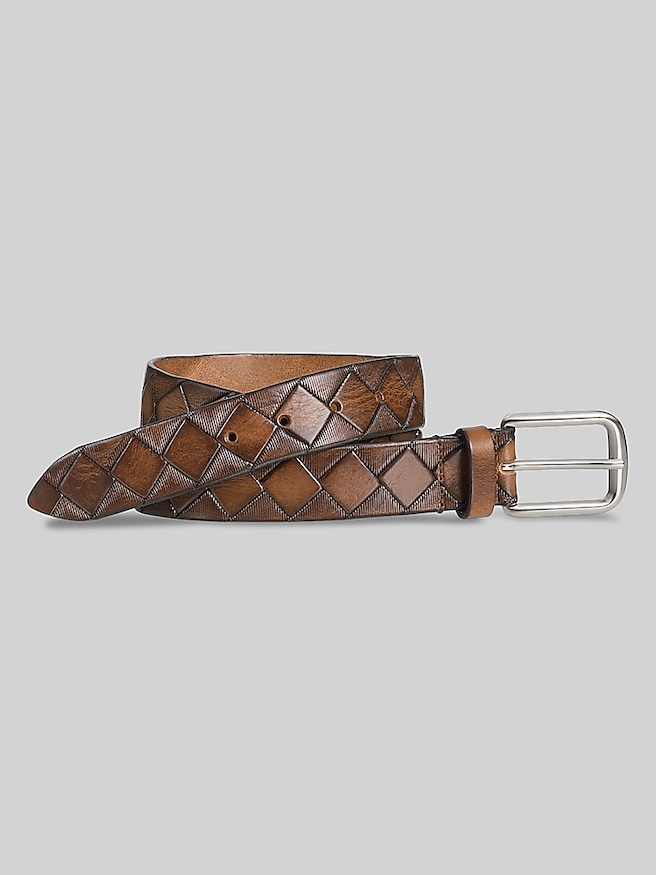
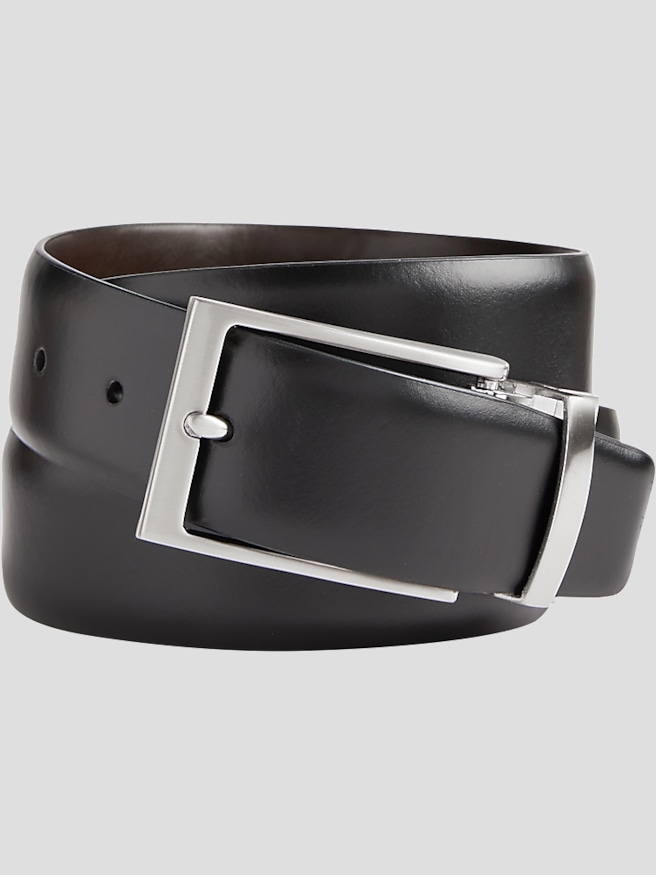
Neutral belts are wardrobe accessories in understated shades such as black, brown, tan, beige, taupe, and gray, chosen for their ability to complement a broad range of clothing. Their appeal is practical as much as visual: a well-proportioned belt helps keep trousers comfortably in place while giving the transition between a shirt and waistband a finished appearance. Black leather creates a crisp connection with black dress shoes and charcoal trousers, while medium brown brings a softer contrast to navy chinos or dark denim. Tan and beige work especially well with lighter pants, where a darker belt might draw more attention than intended. These colors are versatile, but they do not all create the same effect. A deep chocolate shade can feel restrained and dressy; a sandy woven texture feels more relaxed, even with a tucked-in button-down. Matching a belt to footwear is a useful starting point rather than an exact color requirement. For tailored outfits, keeping both pieces within the same color family and at a similar level of polish usually looks more cohesive than pairing glossy shoes with a heavily distressed strap. Casual clothing allows more variation, such as a tobacco-brown belt alongside suede boots in a slightly lighter shade. The buckle adds another small but noticeable detail. Silver-tone hardware has a clean, understated presence, while brass-tone finishes can add warmth to brown and tan materials. Coordinating that finish with a watch or other visible metal accessories creates continuity without requiring every detail to match perfectly. For office days, dinners, celebrations, and everyday errands, neutral belts offer a finishing touch that does not compete with a patterned shirt or textured jacket. Their quiet character is also useful with simple outfits: a white shirt, navy trousers, and a brown belt can look deliberate without much embellishment. The strongest choice often echoes something already present in the outfit, whether that is the depth of the shoes, the softness of the fabric, or the clean lines of the tailoring.
Material and construction shape how a neutral belt looks, feels, and wears over time. Smooth leather is a familiar choice for dress pants because its even surface sits naturally alongside polished footwear and finely woven fabrics. Full-grain leather retains the hide’s natural grain and can develop a distinctive patina with use, while top-grain leather has a more refined surface that may suit a uniform, polished look. Leather terminology alone does not tell the whole story, however; strap thickness, edge finishing, stitching, lining, and buckle attachment all contribute to durability. Neat edges and secure stitching help a belt maintain its shape through repeated wear, particularly around the holes and the point where the strap folds over the buckle. Suede brings a softer, matte texture to neutral colors, making shades such as taupe and chocolate especially effective with chinos, denim, and less formal jackets. Woven leather offers visible texture without a strong color contrast, while canvas and other fabric constructions tend to read as casual. Stretch constructions can provide some flexibility when sitting or moving, though the amount of give depends on the material and design. Width matters just as much as texture. Dress belts commonly measure about 1 to 1¼ inches wide, creating a relatively slim line through tailored belt loops; casual belts often approach 1½ inches, giving them more visual weight with jeans and sturdy cotton pants. The loops on the intended trousers remain the deciding factor, since a belt should pass through them easily rather than bunching the waistband. Buckle scale also affects the result: a compact frame generally stays discreet beneath a jacket, while a larger buckle becomes more prominent with a tucked-in knit shirt. For an understated palette with more visual character, Unique Belts provides a related direction to explore. Texture, edge detail, and hardware can distinguish an accessory without relying on a bright color, allowing the neutral shade to remain easy to coordinate.
Comfortable fit is what makes a belt useful beyond its appearance. A properly sized strap should fasten securely without pulling the waistband into folds, with enough length left to pass through the keeper and sit neatly against the body. For traditional belts with a row of holes, fastening near the middle usually leaves helpful room for adjustment. Belt sizing varies by maker and construction, so a size chart and a measurement of a belt that already fits are more reliable than assuming a pants label gives the complete answer. A common starting point is a belt size about two inches larger than the labeled waist size, but that convention is not universal. Measuring an existing belt from the buckle’s attachment point to the hole used most often offers a useful reference when compared with the stated sizing method. Intended use also deserves attention. Someone seated at a desk for much of the day may appreciate a supple strap and a low-profile buckle, while frequent movement makes secure fastening and comfortable flexibility especially important. A belt can refine the fit of trousers, but it should not have to compensate for a waistband that is substantially too large. Care helps preserve both comfort and appearance. Smooth leather generally benefits from a soft cloth after wear and occasional treatment with a conditioner appropriate for its finish, tested first in an inconspicuous area. Suede calls for a suitable brush and care that protects its nap rather than flattening or saturating it. Fabric and synthetic materials should be cleaned according to their care instructions, since soaking can affect coatings, adhesives, or hardware. Hanging a belt straight or rolling it loosely helps avoid sharp creases, and rotating between belts gives each one a break from repeated bending at the same hole. As a gift for a partner, parent, graduate, or someone building a work wardrobe, a neutral belt feels personal when its shade and finish reflect the recipient’s usual shoes and clothing. Confirming the size keeps that thoughtful finishing touch practical as well.