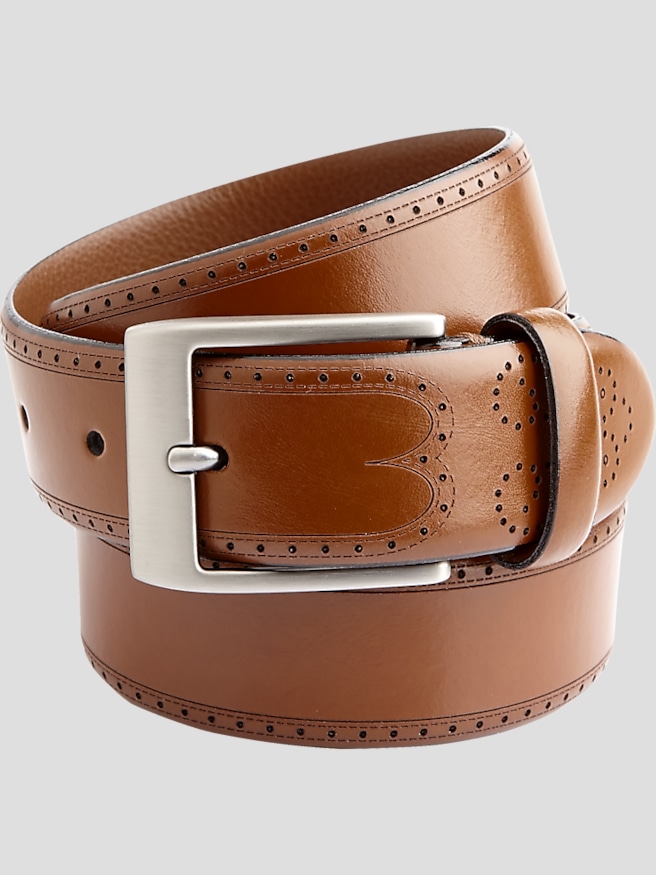
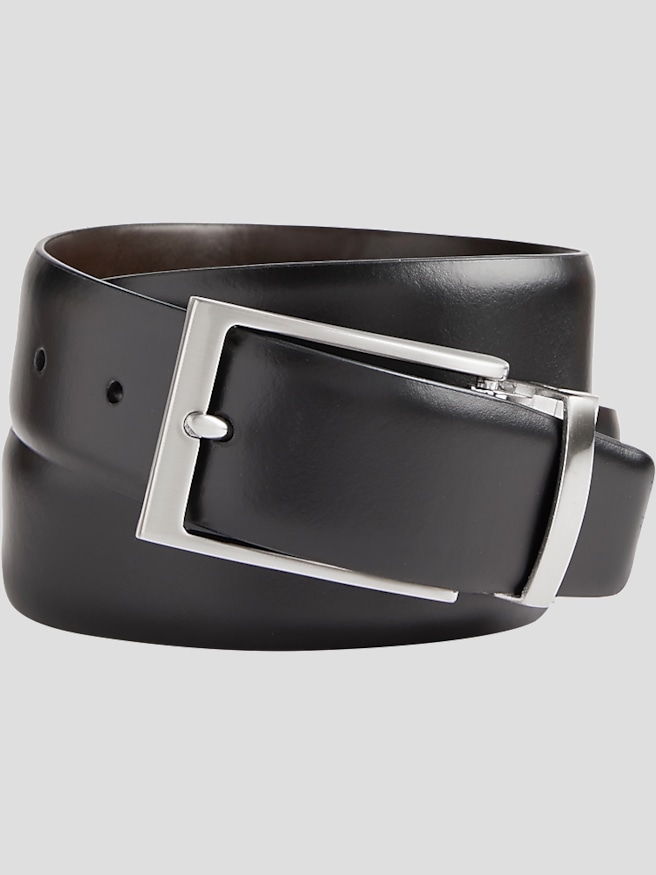
Simple belts are understated accessories that help keep pants in place and give an outfit a finished look without drawing attention away from the clothing. Their defining features are clean straps, restrained buckles, and little or no decorative detailing. A smooth black leather belt beneath a tucked-in dress shirt creates a crisp line at the waist; a matte brown strap with chinos feels more relaxed while still looking considered. That versatility makes simple belts useful for office clothing, wedding guest outfits, dinners, and everyday dressing. Materials play a large part in how a belt looks, feels, and ages. Full-grain leather retains the hide’s natural surface and can develop a patina with use, while top-grain leather has been refined for a more uniform appearance. Neither description alone guarantees longevity: strap thickness, tanning, edge finishing, and buckle attachment also matter. A single-piece leather strap avoids the bonded layers that can separate over time, although well-constructed lined leather belts can provide a smooth finish suited to dress pants. The term genuine leather identifies leather content but does not, by itself, establish a particular quality level. Canvas and woven webbing bring a softer, more casual character, especially alongside denim and cotton trousers. Synthetic leather alternatives can offer a consistent surface and a streamlined appearance, though their resistance to creasing and peeling depends on their composition and construction. Stretch styles allow some give when sitting or moving, with recovery depending on the elastic fibers and overall build. Across these materials, simplicity is less about having no detail than about keeping each detail quiet. Fine stitching, a neatly finished strap tip, and a compact buckle can add definition without making the belt the focal point. Neutral colors also make repeated wear easier: black reads sharp and formal, dark brown pairs naturally with many leather shoes, and medium brown introduces a softer contrast. For someone who prefers a small, practical wardrobe, those modest design choices can make a belt useful across several familiar outfits.
Fit determines whether that clean appearance holds up through a full day. A simple belt should fasten comfortably, lie flat against the waistband, and leave enough strap to pass through the keeper without extending far around the hip. On a traditional belt with punched holes, fastening near the middle hole generally leaves useful room for adjustment in either direction. Many belts use a numerical size that corresponds to the measurement from the buckle’s attachment point to a designated hole, rather than the total strap length. A common starting point is a belt size about two inches larger than the labeled pants waist, but sizing conventions vary, so the stated measurement method matters more than the shortcut. Comparing those measurements with a belt that already fits can be especially helpful when pants sizes vary across a wardrobe. Width deserves equal attention. Dress belts are often about one to one and a quarter inches wide, while casual belts commonly approach one and a half inches; the right choice still needs to pass easily through the actual belt loops. A broad, heavy strap can overwhelm lightweight trousers, and a very narrow strap may look slight against substantial denim. The buckle should feel proportionate to both the strap and the outfit. Low-profile frames tend to sit more discreetly beneath a jacket, while larger hardware adds visual weight even when the strap is plain. Subtle metal finishes can coordinate with a watch or other accessories without requiring an exact match. Leather belt and shoe colors usually look most cohesive when they are in the same color family and have a similar level of formality; a glossy black shoe calls for a sharper finish than a casual suede loafer. Intended use makes these distinctions practical rather than fussy. Someone moving between a desk, a commute, and an evening reservation may appreciate a supple strap and uncomplicated buckle that remain comfortable while seated. A belt can stabilize a well-fitting waistband, but it should not have to gather excessive fabric or compensate for pants that are substantially too large.
Durability often shows up in details that are easy to overlook at first glance. Smooth edges reduce rough contact with clothing, even stitching helps keep layered construction secure, and cleanly punched holes are less likely to develop ragged edges under normal use. The area around the most-used hole and the fold beside the buckle receive repeated stress, so flexibility there matters as much as the thickness of the strap. Thick leather can be sturdy, but an overly rigid belt may feel cumbersome with dress pants or resist lying flat. Hardware should operate smoothly, with a prong that enters the holes cleanly and a keeper that holds the loose end close to the waist. Care needs depend on the material. Leather generally benefits from a gentle wipe with a soft cloth and occasional conditioning when recommended by its maker; too much conditioner can darken the surface or leave residue. A hidden-area test helps protect the finish before broader application. Prolonged soaking, direct heat, and harsh household cleaners can damage leather and coated surfaces. Canvas and webbing may tolerate spot cleaning with mild soap, but leather trim, dyes, and metal components can change what is appropriate, making the care label the best reference. Allowing a belt to dry fully before storing it helps protect both the strap and the hardware. Hanging it straight or placing it in a loose coil avoids the sharp bends created by folding, and alternating between belts gives each one a break from repeated flexing at the same points. These practical qualities also make simple belts thoughtful gifts for someone starting a new job, building a dress wardrobe, or replacing a worn everyday accessory. A recipient’s usual pants, shoe colors, and preferred buckle style offer better clues than decorative novelty, while a confirmed size removes much of the guesswork. For occasion-focused browsing, Holiday Belts offers a related theme to explore. An understated belt earns its place through comfortable proportions, suitable materials, and a finish that works naturally with the clothes someone already enjoys wearing.