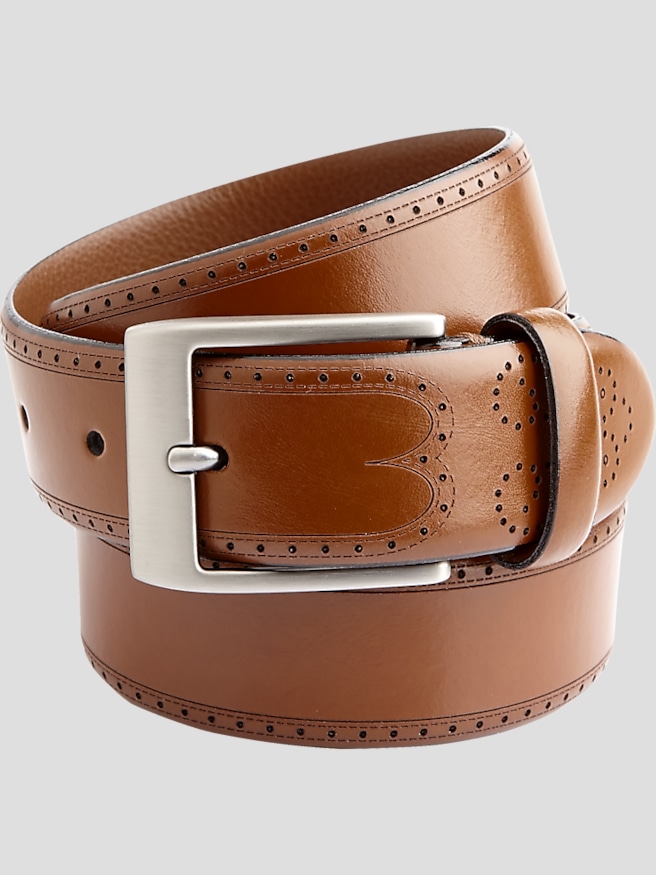
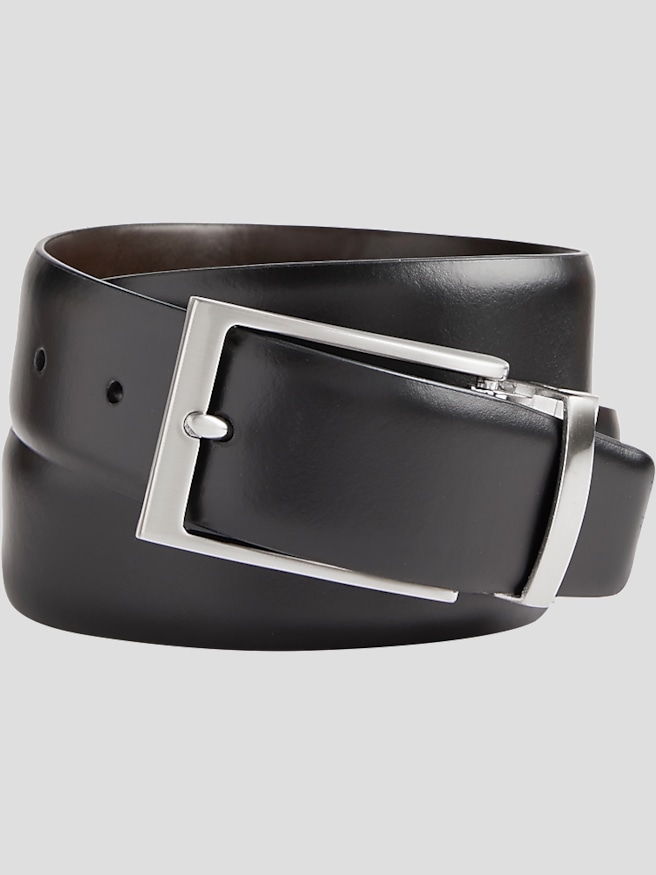
Unique belts stand out through distinctive materials, textures, patterns, hardware, or construction, adding character to an accessory that also has a practical job. That distinction might be subtle, such as a pebbled leather surface or a brushed buckle, or more expressive, like braided construction, contrast stitching, an embossed pattern, or a colorful woven design. A belt does not need an oversized buckle to feel individual. Sometimes the detail is only noticeable up close: a neatly finished edge, a textured keeper loop, or a slight variation in the grain. With Unique Leather Belts, much of that personality comes from the relationship between the material and its finish. Full-grain leather retains the hide’s natural grain and can develop a patina with wear, while top-grain leather may be lightly sanded for a more uniform surface. Suede offers a soft, matte texture that feels less formal than polished leather. Embossing can create a patterned surface without introducing another color, making it useful for someone who prefers a restrained wardrobe but still appreciates detail. Braided leather brings depth and flexibility, while woven fabric can introduce stripes, geometric motifs, or a softer feel against casual trousers. Needlepoint-style designs add another kind of individuality, using stitched imagery or repeating patterns to make the belt a visible part of an outfit. Material alone does not determine durability; secure stitching, a firmly attached buckle, and well-finished edges matter, too. On a leather belt, an even surface around the adjustment holes and a substantial connection between the strap and buckle are worth noticing. On a woven design, a dense, consistent weave helps the belt retain its shape. These construction details help distinguish an accessory that simply looks interesting from one that can settle comfortably into regular use. A distinctive belt is most useful when its visual character and everyday function work together, whether that means a quiet texture for the office or a more noticeable pattern for a relaxed outfit.
The intended setting helps determine how much personality a belt can carry. With tailored trousers and a tucked-in dress shirt, a narrow profile and compact buckle usually create a clean line at the waist. An embossed or subtly grained strap can add interest without competing with a patterned shirt or textured jacket. With denim, chinos, or five-pocket pants, a wider strap, visible stitching, braided surface, or more substantial buckle can feel at home. Many dress belts measure around 1 to 1¼ inches wide, while casual designs often sit closer to 1½ inches, though the actual opening of the belt loops is the deciding limit. A belt should pass through those loops easily rather than bunching the fabric or requiring a tug. Fit matters just as much as width. A comfortable belt holds trousers securely without pulling the waistband into folds, and the remaining tip should sit neatly through the keeper rather than extending far around the hip. For a traditional belt with adjustment holes, a fit near the middle of the adjustment range leaves useful room in either direction. Sizing conventions vary, so a waist measurement and the relevant size chart are more dependable than assuming a trouser size will translate directly. Measuring a well-fitting belt from the buckle’s attachment point to the hole used most often can also provide a helpful reference when compared with the stated measurement method. Braided designs without fixed holes allow smaller adjustments, which can be convenient when moving between standing, sitting, and a long dinner. Visually, coordinating the belt with footwear gives an outfit a clear connection, but an exact match is not always necessary. Brown leather with brown shoes can work even when the shades differ slightly; similar undertones help the combination feel deliberate. Buckle finishes can echo a watch or another small metal detail without requiring every accessory to match. When a belt has a bold pattern, simpler surrounding pieces give that detail room to stand out.
Care helps preserve both the appearance and the structure of a distinctive belt. Smooth leather generally benefits from occasional wiping with a soft cloth and, when appropriate for its finish, a suitable leather conditioner applied sparingly. Suede calls for a suede brush and products intended for its textured surface rather than the creams used on smooth leather. Woven fabric, stitched decoration, and mixed-material construction may need another approach, making the care instructions especially important. Any cleaner is best tested on an inconspicuous area first, since a product that works on one finish may darken or mark another. A belt that becomes damp should dry naturally away from direct heat; a radiator or hair dryer can make leather stiff and damage some finishes. Hanging a belt straight or loosely coiling it helps avoid the sharp creases that can develop when it stays tightly folded. The buckle deserves attention as well: a gentle wipe removes fingerprints, while abrasive polishing can damage plated or coated hardware. Rotating between belts can reduce repeated stress on the same adjustment hole and give leather time to dry between wears. Those small habits are especially worthwhile for a belt chosen for its surface detail, where cracked edges or worn stitching can distract from the design. Unique belts can also make thoughtful gifts for a father, brother, partner, graduate, or someone starting a new job, provided the choice reflects how that person actually dresses. A subtle textured strap may suit someone who wears tailored clothing regularly, while a braided or patterned design may be a better fit for a wardrobe built around chinos and denim. An existing belt offers useful clues about preferred width, buckle size, color, and fit. For a recipient who already has the basics, a different texture can add variety without demanding a new approach to getting dressed. The strongest choice is personal without being impractical: comfortable at the waist, compatible with familiar clothes, and distinctive enough to feel considered each time it is worn.