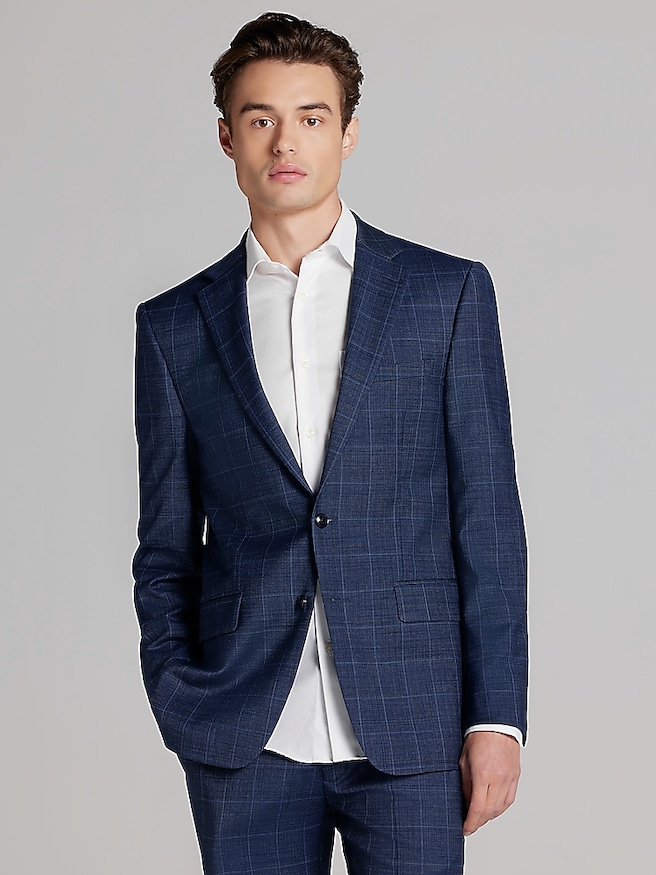
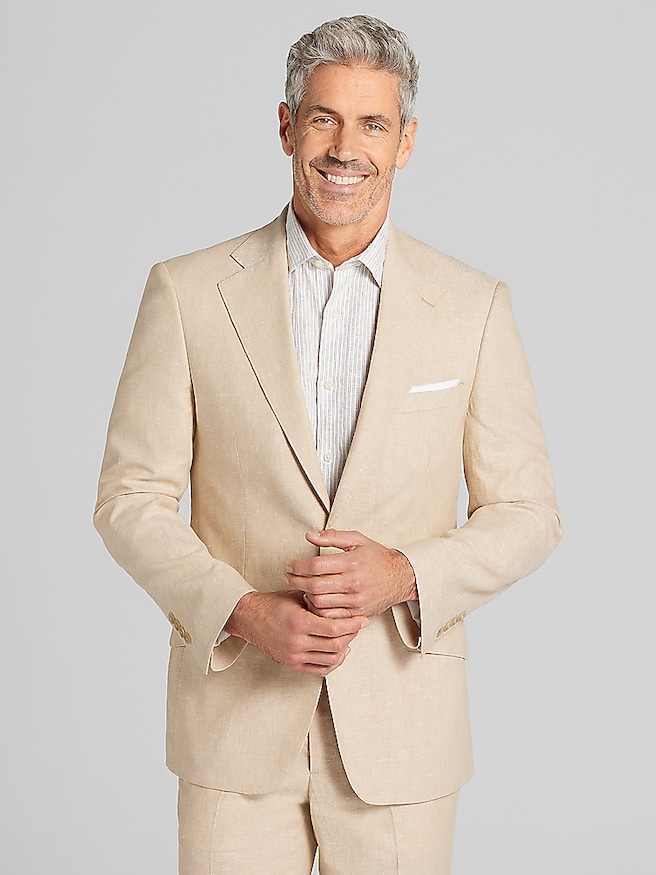
Choosing the right shirt color can change the entire impression of a navy suit. Navy is one of the most adaptable suit colors because it offers a clean, balanced foundation without feeling as severe as black or as traditional as certain shades of gray. The most classic pairing is a crisp white shirt, especially for interviews, weddings, formal celebrations, presentations, and other occasions where a polished first impression matters. The contrast between a deep navy jacket and a bright white collar creates a sharp outline around the face, while white works naturally with nearly any tie, pocket square, or dress shoe. A light blue shirt offers a softer, more tonal effect that feels professional without looking overly formal, making it a dependable choice for the office, business travel, networking events, and dinners. Pale blue also works beautifully with navy because the colors belong to the same family while still providing enough contrast to keep the outfit defined. For a touch of warmth, pale pink adds personality in a restrained, sophisticated way. It pairs particularly well with navy for receptions, daytime celebrations, date nights, and social gatherings where a traditional white shirt may feel too expected. Lavender and lilac create another refined alternative, bringing a subtle expressive quality to the outfit while remaining appropriate for many dress codes. These lighter shades are easy to coordinate with navy because they brighten the overall appearance without competing with the suit. When selecting from a collection of recommended dress shirts, consider the setting first, then the level of contrast you prefer. A bright white shirt is often the safest choice for formal expectations, while light blue, pale pink, and lavender can help create a more individual look.
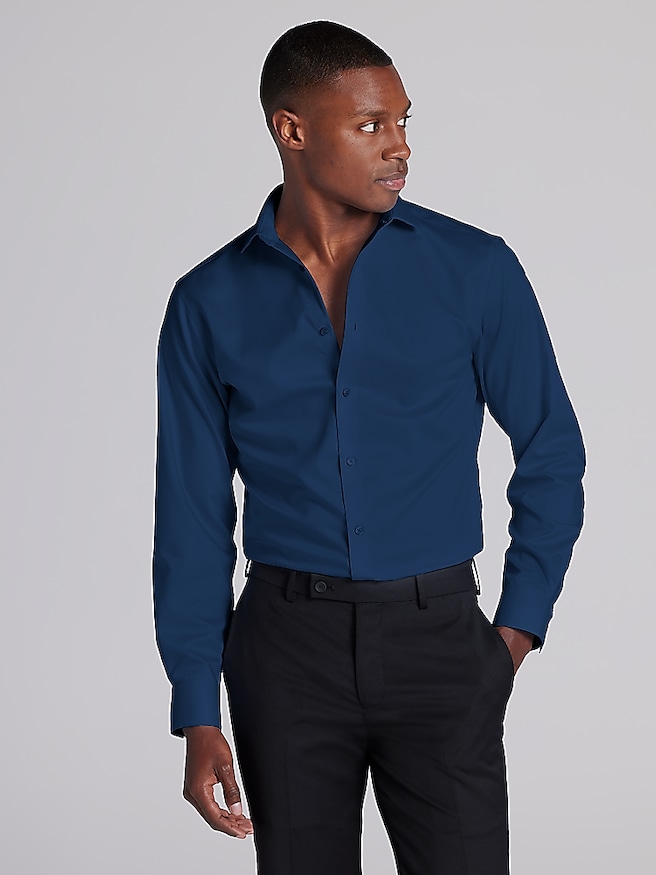
Patterned shirts can bring texture and visual interest to a navy suit when the design remains neat and proportional. Fine blue-and-white stripes are a reliable professional option, particularly when the stripes are narrow enough to read as texture from a distance rather than as the main feature of the outfit. Small checks can create a similarly polished effect and are well suited to office settings, dinners, and semi-formal occasions. Larger checks, bold contrast, and busy patterns may be better reserved for relaxed events, since they can compete with the clean lines of a tailored jacket. The scale of the pattern should also work with the wearer’s build and the rest of the outfit. A subtle pattern allows the tie to remain the focal point, while a more noticeable shirt may look best with a simple solid tie or no tie at all. Darker shirts, including black and charcoal, can sit too close to navy in value and reduce the contrast around the collar and cuffs. They are not automatically unsuitable, but they tend to create a moodier, less traditional appearance and require careful coordination with shoes, belt, and accessories. Fabric and fit matter just as much as color. Smooth, structured materials tend to look more formal, while softer textures can make a navy suit feel more relaxed during cooler months. A well-fitted collar should sit neatly beneath the jacket, and the sleeves should allow a small, intentional amount of cuff to show. For an upcoming dance, school event, or celebration, browsing [Best Men's Homecoming Dress Shirts to Wear With Any Suit] can help narrow the selection to versatile colors and silhouettes that complement a suit without overwhelming it.
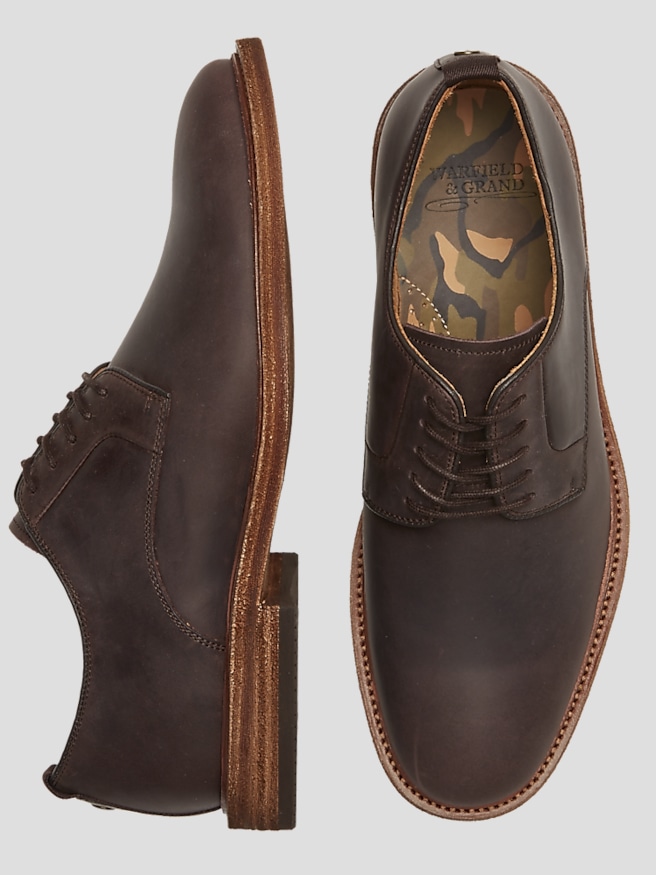
A navy suit and the right shirt can serve many wardrobes, from a first professional interview to a family celebration, evening reception, or important milestone. Someone building a work wardrobe may appreciate a white or light blue option that can be worn repeatedly with different ties and jackets, while a shopper preparing for a wedding or formal gathering may prefer a brighter white shirt for a crisp, traditional finish. Pale pink and lavender can be thoughtful gifts for a partner, son, brother, or friend who already owns classic white and blue styles but would enjoy adding a little color to formal dressing. They are also useful for someone attending several events during the cooler months, when a navy suit can move easily from the ceremony to dinner with only a change of tie or pocket square. When coordinating the complete look, brown shoes and a brown belt create a warmer, more approachable combination, while black accessories add a sharper and more formal effect. Burgundy, navy, silver, and muted green ties can all work well, depending on the shirt and occasion. A white shirt supports the widest range of accessories; a light blue shirt pairs naturally with navy, gray, and patterned ties; pale pink looks especially balanced with burgundy, navy, or charcoal accents; and lavender can be complemented by silver, plum, or deep blue. Before purchasing, check the care instructions, collar shape, sleeve length, and overall fit, since a shirt that feels comfortable will look more composed throughout a long day. The best choice is one that suits the occasion, fits the wearer’s proportions, and provides enough versatility to be worn again. With its dependable color and broad styling range, a navy suit makes it easy to build polished outfits for professional settings, social events, and formal occasions across the seasons.