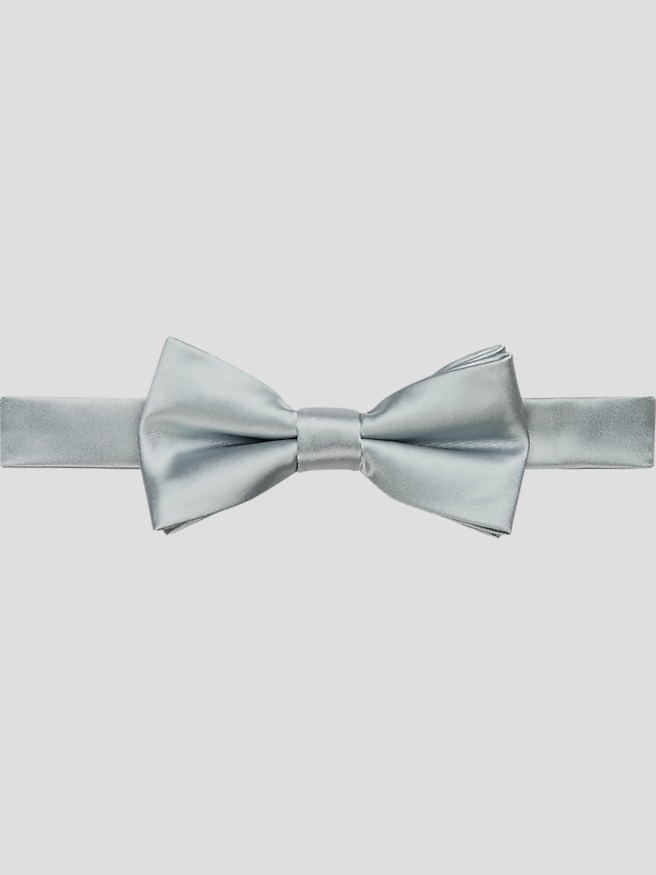
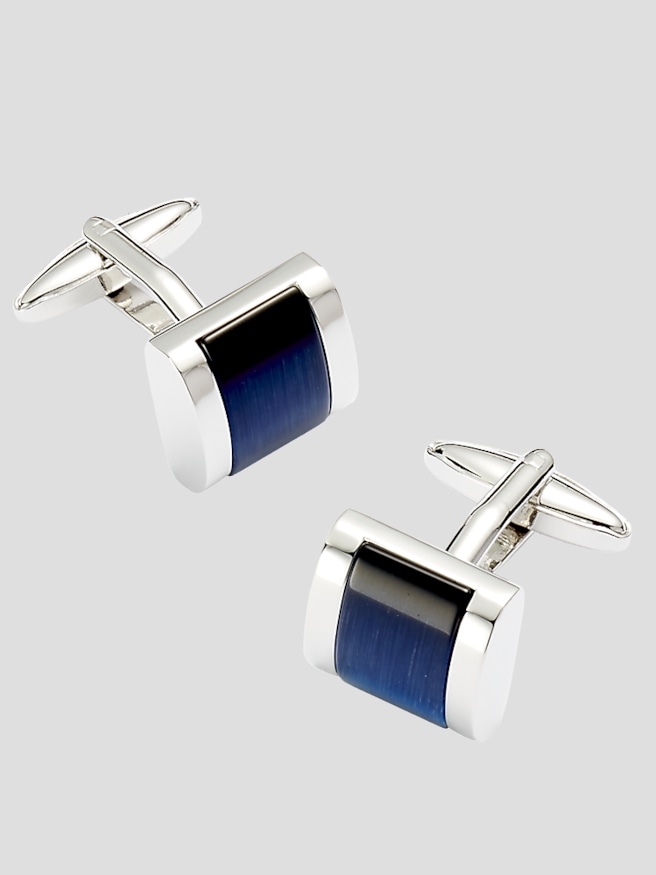
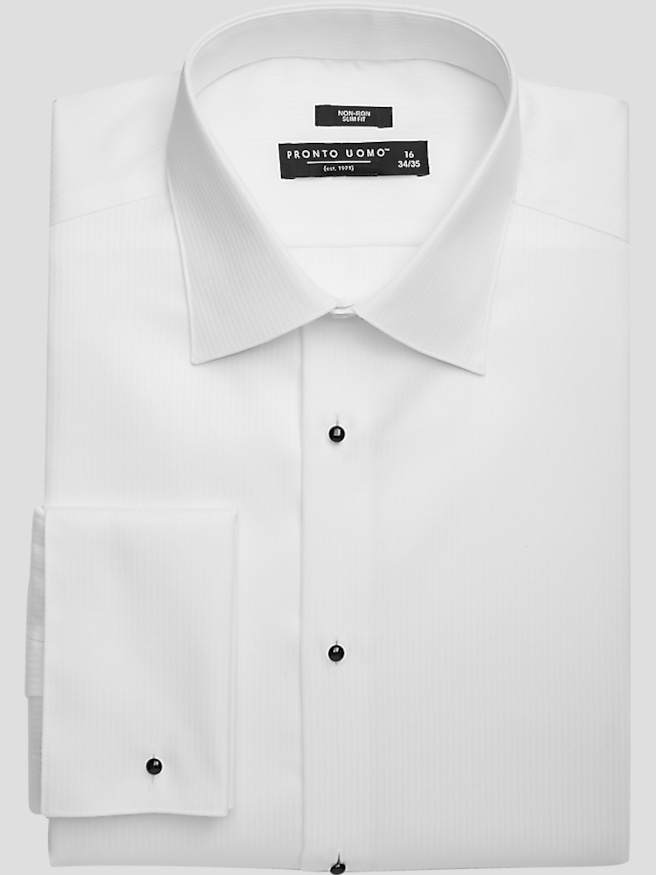
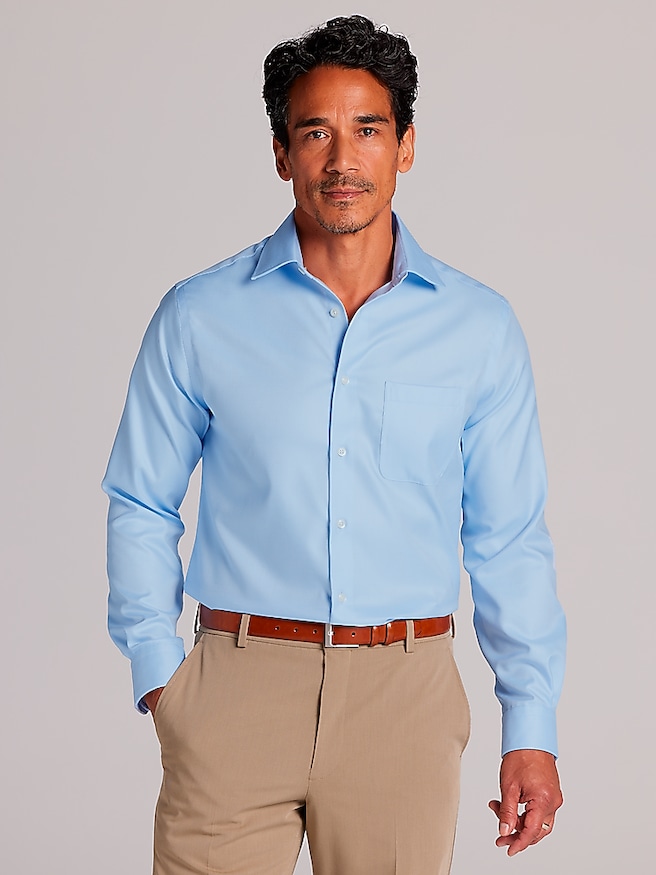
Navy blue and purple wedding colors bring together the steadiness of a deep blue with the romance and character of violet, plum, lavender, or royal purple. Navy provides a polished foundation that feels at home in a formal ballroom, an outdoor ceremony, or an intimate evening gathering, while purple adds dimension without overwhelming the setting. This combination is especially appealing for celebrations during the cooler months, when richer jewel tones feel naturally at ease, though lighter shades such as lavender and dusty violet can keep the palette fresh as the weather warms. Couples building a coordinated wedding look may use navy as the principal color for men’s formalwear, suits, accessories, invitations, table linens, or reception details, then bring in purple through ties, pocket squares, flowers, napkins, lighting, and other accents. The result can be tailored to many styles: dark navy with plum and silver creates a sophisticated, dramatic effect; navy with royal violet feels bold and celebratory; and navy with lilac, soft lavender, or muted mauve offers a gentler, more romantic finish. For additional inspiration, couples may also explore Navy Wedding Colors when deciding how much of the palette should be devoted to the darker anchor shade. Color balance matters when selecting coordinated wedding attire. A classic navy suit or tuxedo gives the groom and groomsmen a consistent foundation, while purple neckwear or subtle accessories can distinguish the wedding party without making every element look identical. Deep plum and eggplant tend to complement evening celebrations and formal venues, while violet, lavender, and dusty purple can soften a daytime ceremony or garden reception. When comparing shades, consider the venue’s lighting, the wedding party’s skin tones, and the colors already present in the room. Navy can appear nearly black under low light, so a purple accent with enough contrast helps preserve the intended palette in photographs. Silver, charcoal, white, ivory, and soft gray are useful supporting tones because they allow navy and purple to remain the focus. A groom may choose a slightly different accessory shade from the groomsmen, creating a distinction that is visible in group portraits but still feels thoughtfully coordinated. These pieces can also be practical gifts for members of the wedding party, especially when the color is versatile enough to wear again to another ceremony, reception, dinner, or formal occasion.
When choosing products for a navy blue and purple wedding, think beyond a single shade and consider how the colors will appear together across the entire celebration. A dark navy table covering paired with bright purple napkins, silver flatware, and clear glassware creates a clean, layered table without making the room feel heavy. Invitations and ceremony stationery can follow the same approach, using navy backgrounds or borders with watercolor lavender florals, plum lettering, or a restrained violet motif. Soft blue or purple uplighting can add atmosphere around the reception space, particularly during an evening celebration, but neutral candlelight and clear glass details help keep the overall effect warm rather than overly saturated. Florals offer one of the easiest ways to connect the palette. Deep plum roses, purple orchids, violet blooms, dark calla lilies, and hydrangeas can be mixed with lavender flowers, white blossoms, dusty miller, or eucalyptus greenery for contrast and texture. A boutonnière with a small purple orchid or rose against navy formalwear creates a refined detail that is noticeable without feeling busy. Bridesmaids in long navy gowns can carry bouquets featuring plum, violet, lilac, and greenery, while the groom and groomsmen repeat the floral colors in smaller accents. If the ceremony takes place outdoors, natural foliage and pale flowers can keep the darker palette from blending into the surroundings; in a ballroom, metallic touches and richer purple tones can emphasize the room’s elegance. Accessories should support the attire rather than compete with it. A purple tie, pocket square, vest, cummerbund, or coordinating jewelry can introduce color at different levels of formality, while navy provides continuity among the wedding party. When selecting formalwear, pay attention to fabric texture as well as color. Smooth, lustrous materials can feel especially dressy under reception lights, while matte fabrics create a more understated appearance for daytime events. It is also helpful to compare colors in natural light and indoor light before making final choices, since purple may shift from blue-violet to warm plum depending on the setting.
The products featured around a navy blue and purple wedding can serve several groups, including couples assembling a cohesive ceremony look, grooms selecting attire for themselves, families helping with wedding preparations, and friends searching for thoughtful gifts for a groom or member of the wedding party. A coordinated accessory in a wedding color can be useful well beyond the celebration, particularly when paired with neutral shirts, gray trousers, black formalwear, or other classic wardrobe pieces. For a wedding party, matching or complementary details create a shared visual thread in photographs while allowing each person to retain a comfortable, individual fit. Consider the formality of the event, the time of day, the season, and the expected dress code when choosing among suit and tuxedo styles, neckwear widths, shirt colors, and finishing accessories. A formal evening wedding may call for deeper navy, richer plum, and more pronounced violet accents, while a daytime gathering may benefit from crisp white, pale lavender, soft gray, or muted greenery alongside the darker blue. Fit is just as important as color: jackets should lie smoothly across the shoulders, sleeves should reveal an appropriate amount of shirt cuff, and trousers should fall cleanly over the shoes. Coordinated attire looks most polished when everyone feels comfortable moving, greeting guests, and celebrating through the reception. For guests, navy and purple can be interpreted with restraint through a tie, pocket square, shirt, dress shirt, or other small detail rather than a head-to-toe color match. The same palette can also guide gift selection, especially for a groom, best man, groomsman, father of the bride, or wedding guest who appreciates items that are both memorable and wearable. Picture a wedding party gathered beneath warm reception lights: navy creates a composed line of color, purple flowers add flashes of richness, and silver or ivory details keep the scene luminous. That balance is the lasting appeal of this palette—formal enough for an elegant celebration, expressive enough to feel personal, and flexible enough to carry naturally from late-summer gatherings into the deeper colors and cooler atmosphere of fall.