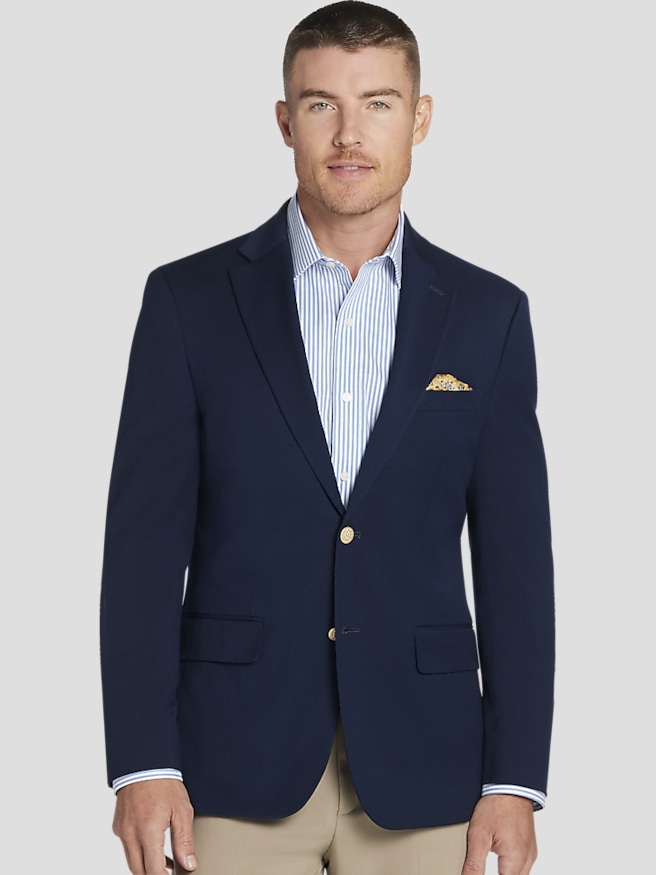
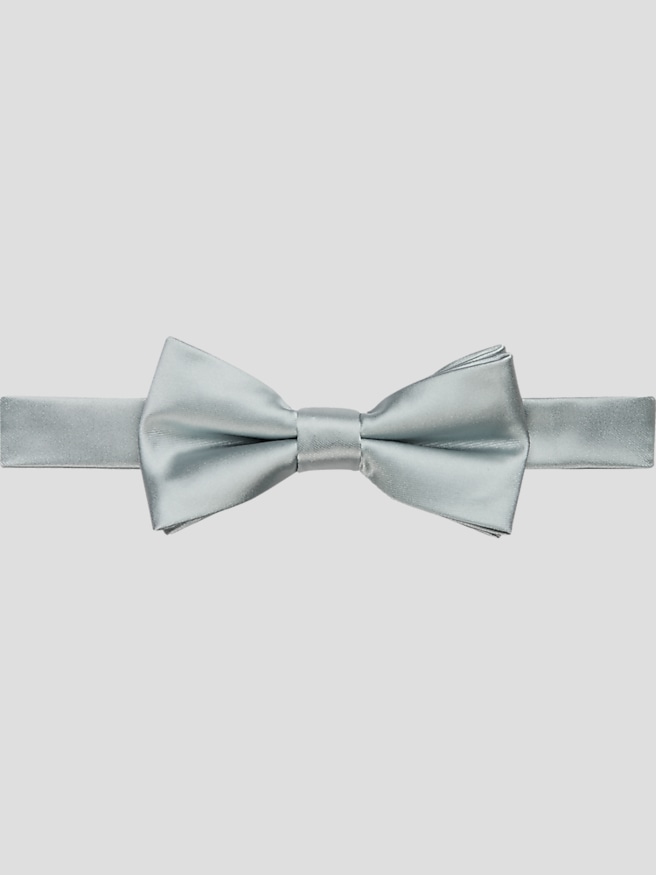
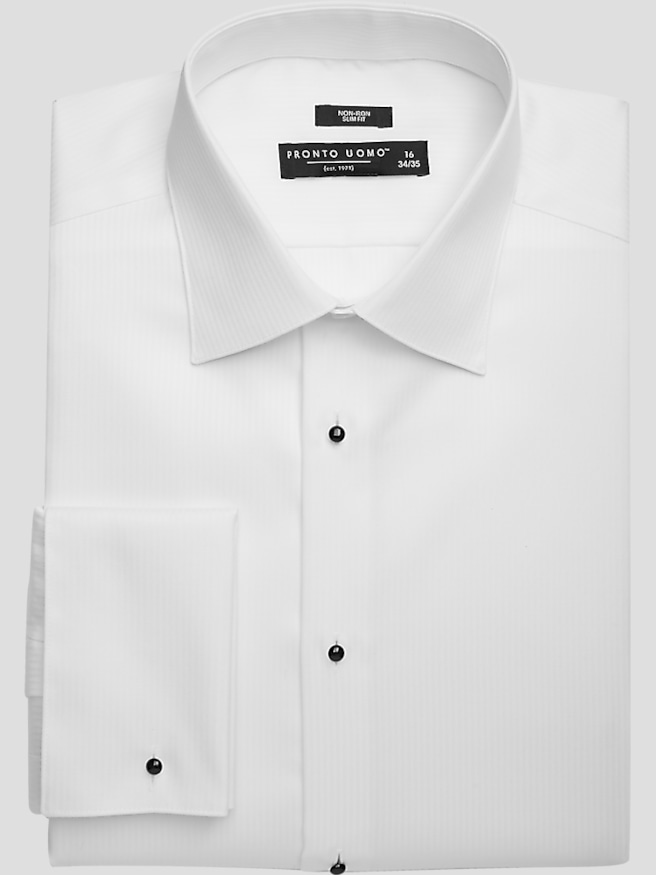
Navy wedding colors pair deep blue with shades such as ivory, champagne, gray, sage green, blush pink, burgundy, and gold. The result can feel understated or expressive depending on the contrast, fabric texture, and accessories surrounding the navy foundation. In wedding attire, navy offers a rich alternative to black while remaining easy to coordinate across a groom’s outfit, wedding party looks, and guest attire. A navy suit with an ivory shirt and champagne tie creates a soft, polished combination; the same blue with a white shirt and burgundy tie has a more pronounced contrast. Gold accents bring warmth through cuff links, a tie bar, or the subtle pattern in a pocket square, while silver accents keep the overall effect crisp. Sage and dusty pink introduce softer color without taking attention away from the tailoring. Navy also gives a wedding party a shared foundation without requiring every accessory to match exactly. A groom might wear a textured ivory tie while attendants wear muted pink, with a similar depth of color connecting the looks. Consistency in the shade of navy matters more when everyone stands together: an inky blue and a brighter blue can look nearly identical on separate screens but noticeably distinct in a group photograph. Fabric swatches viewed beside the shirt and accessories provide a clearer picture than color names alone. A matte navy fabric also reflects light differently from a lustrous weave, so color coordination includes finish as well as hue. For ceremonies with ivory flowers, pale linens, or warm metallic details, navy clothing adds definition without competing with the setting. Against stronger accents such as red or emerald, it provides a steady backdrop that lets a small amount of color carry the outfit. These combinations work particularly well when one accent leads and the remaining details stay restrained, giving each person a finished look rather than the appearance of wearing every wedding color at once.
The character of navy wedding attire comes as much from construction and material as from the palette itself. Worsted wool can offer a smooth surface, a clean drape, and natural resilience, making it a useful choice for tailoring that needs to look composed through a ceremony, photographs, dinner, and dancing. Wool blends vary considerably, with fiber content and weave influencing softness, breathability, wrinkle resistance, and how the fabric falls. A small amount of stretch may support movement, but a comfortable fit still depends on the cut and proportions. Linen has a more relaxed texture and visible creasing, while highly lustrous fabrics make navy appear more dramatic under direct lighting. The right finish follows the celebration’s dress code: a softly textured suit feels distinct from a navy tuxedo with contrasting satin or grosgrain details. For a black-tie invitation, tuxedo styling is the relevant starting point rather than treating a dark business suit as interchangeable formalwear. With either silhouette, the jacket shoulders should lie neatly, the collar should sit close to the shirt, and the front should close without pronounced pulling. Trousers need enough room for sitting and moving comfortably, with a hem length that suits the cut and footwear. Someone standing through a ceremony and then taking a seat for dinner will notice a tight waistband or restrictive upper sleeve long before the final photograph. Shirt collars also deserve attention, especially when worn fastened with a tie for several hours. A white shirt gives navy its sharpest contrast, while ivory offers a gentler transition when it complements the wider wedding palette. Pale blue can create a tonal effect for less formal dress codes. Brown leather footwear often suits navy tailoring at cocktail or semiformal celebrations; black footwear produces a more formal impression. With a tuxedo, polished black formal footwear maintains the intended level of dress. Across these choices, balanced proportions and comfortable movement make a more convincing impression than a fashionable cut that strains or overwhelms the wearer.
Accessories give navy wedding colors their individual expression, particularly when the same tailoring needs to work for several people. A woven tie adds dimension against a smooth jacket, while a silk pocket square can introduce a small highlight without making the whole outfit glossy. Matching the tie and pocket square exactly is not necessary; a shared accent color, a related pattern, or a quiet ivory edge often looks more considered. With navy and sage, for example, a muted green tie and an ivory pocket square keep the combination clear. With navy and gold, a restrained metallic detail can carry the connection more effectively than several shiny accessories competing for attention. Gray offers another versatile direction, from pale silver accents to deeper charcoal contrasts. The combinations associated with navy blue and gray wedding colors create room for tonal ties, subtle checks, and coordinated looks that do not depend on bright color. Wedding guests can echo an accent in a small detail while allowing the couple and wedding party to remain visually distinct. For a groom or attendant, a tie, pocket square, or pair of cuff links can also become a thoughtful wedding-related gift, particularly when the color and level of formality are already established. The usefulness of navy extends beyond the celebration, since understated tailoring and restrained accessories can suit other dress occasions. Durability depends on fabric quality, construction, fit, and care rather than color alone. After wear, a structured hanger helps a jacket retain its shape, and allowing the fabric to air before storage helps it recover. Care labels should determine cleaning and pressing methods; unnecessary cleaning or excessive heat can affect the finish. Stains deserve prompt attention using a method appropriate to the material, especially on silk accessories or fabrics with contrasting trim. Storing garments clean, dry, and without crowding helps protect their appearance, preserving the rich blue tone and clean lines that make navy such a dependable foundation for wedding attire.