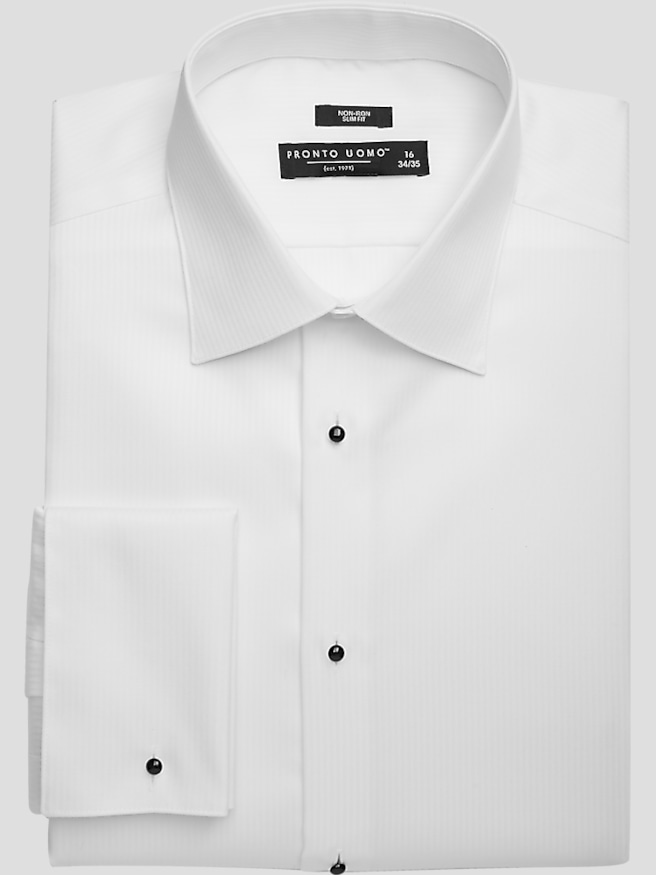
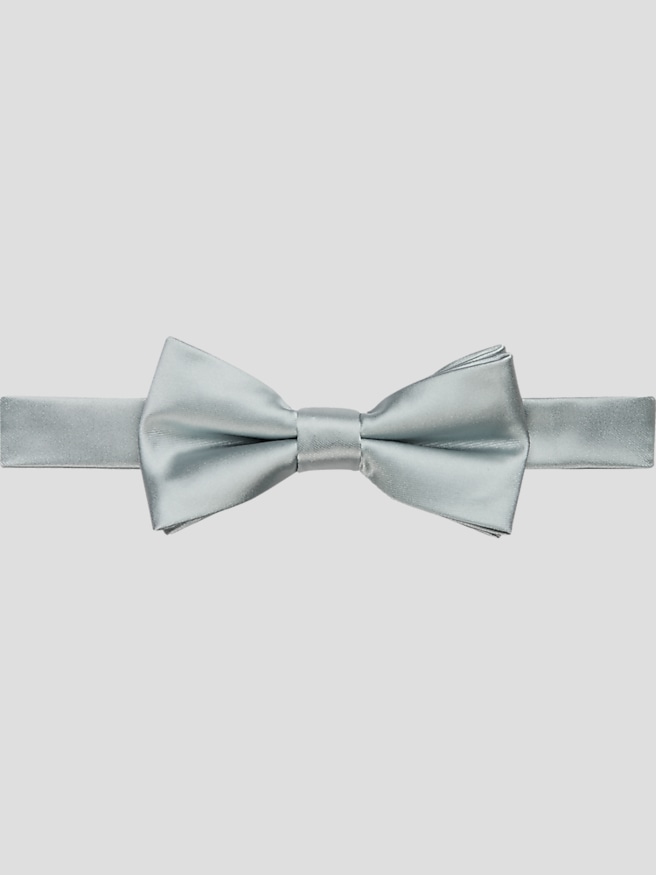
A navy blue and silver wedding pairs deep blue tailoring with cool metallic accents for a polished, coordinated look. In wedding attire, navy usually provides the foundation through suits or tuxedos, while silver appears in ties, pocket squares, cufflinks, and other finishing details. The contrast is distinctive without being difficult to wear: navy gives the outfit depth, and silver introduces a lighter highlight near the face or at the cuff. A crisp white shirt keeps the combination clear and balanced, especially when the wedding setting includes white florals, reflective table accents, or clean architectural details. Silver can mean a true metallic finish, a softly lustrous fabric, or a pale gray shade that suggests the same effect without much shine. Each creates a slightly different impression. A smooth silver tie feels more formal, while a textured gray tie gives navy tailoring a quieter finish. For a groom, the pairing offers room for distinction without departing from the wedding palette. A silver waistcoat or a subtly patterned tie can separate the groom’s outfit from coordinating groomsmen, while a shared navy foundation keeps the group visually connected. Fathers and other members of the wedding party can echo the colors through smaller accessories rather than wearing identical outfits. The invitation’s dress code remains the deciding factor in the level of formality. A navy suit works for many weddings that call for a suit and tie, while a navy tuxedo with formal lapel detailing belongs in a setting where tuxedos are appropriate. Color coordination alone does not make an outfit black tie; the garment construction, shirt, neckwear, and footwear all contribute. For guests, the same palette offers an understated way to complement the celebration without reproducing the wedding party’s full look. Against navy fabric, even a narrow silver tie bar or a neatly folded pale pocket square can provide enough contrast.
Fabric and fit determine how navy blue and silver wedding attire looks beyond the first photograph. Wool suiting offers a refined surface, natural resilience, and a drape that helps a jacket fall cleanly through the chest and body. Depending on its weave and weight, it can appear smooth and dressy or have a subtle texture that softens the overall effect. Wool blends can balance structure with practical wear, while fabrics containing stretch may allow greater ease during a long ceremony, dinner, and dancing. Fiber content is only part of the picture, however; lining, construction, and tailoring also influence comfort. A jacket should sit neatly at the shoulders without extending noticeably past them, and the lapels should lie flat rather than pull away from the chest. When the jacket is fastened, strong creases radiating from the button can indicate that the body is too tight. Trouser fit matters just as much, particularly for an event that includes sitting, standing, and moving between spaces. A clean line through the seat and thigh looks sharp without requiring a restrictive cut, and the hem should meet the shoes deliberately rather than gather in heavy folds. Slim, tailored, and classic silhouettes can all suit this palette; the best result depends on proportion and personal comfort rather than a single fashionable shape. Shirt fabric adds another layer of consideration. Cotton offers a familiar feel and a crisp appearance, while cotton blends may provide easier maintenance, depending on their construction and care instructions. A collar that rests comfortably around the neck and sleeves that allow a small amount of cuff to show help the whole outfit feel finished. Trying the complete combination while seated is useful: the waistband, collar, and jacket should remain comfortable through a meal, not merely look good while standing in front of a mirror.
Silver accessories give navy wedding attire its character, but their finish and scale affect how cohesive the result feels. A satin tie produces a smooth reflection, while a woven pattern breaks up the shine and adds dimension. Silk can offer rich color and an elegant drape; other fibers can provide a similar visual direction with different handling and care needs. Rather than matching every accessory exactly, a coordinated outfit can combine a silver-toned tie, a white pocket square, and understated metal cufflinks. This keeps the chest from becoming a single block of matching fabric. Small patterns are especially useful when the wedding party needs a shared palette with a little individual variation: a fine geometric weave or restrained navy-and-silver motif can connect the colors without competing with the suit. Anyone comparing reflective silver accents with softer gray fabrics can explore Navy Blue And Gray Wedding Colors for a closely related approach to the same deep-blue foundation. Footwear should support the formality of the outfit, with polished black dress shoes providing a particularly clean finish for dressier navy combinations. A coordinating belt, when the trousers call for one, and consistent metal tones help smaller details feel intentional. Accessories can also make thoughtful gifts for a groom, groomsmen, or a father taking part in the celebration, especially when their design works with clothing beyond the wedding day. Their usefulness depends on practical details, such as whether the recipient wears French-cuff shirts or prefers a necktie to a bow tie. Care helps preserve both appearance and longevity. Garment labels should govern cleaning, and structured jackets benefit from supportive hangers rather than narrow hooks. Allowing tailoring to air after wear, addressing marks promptly according to fabric guidance, and storing delicate accessories without crushing them can help maintain their finish. The lasting appeal of navy and silver comes from that balance of occasion and usefulness: distinctive enough for wedding photographs, yet restrained enough for future celebrations and other dress occasions.